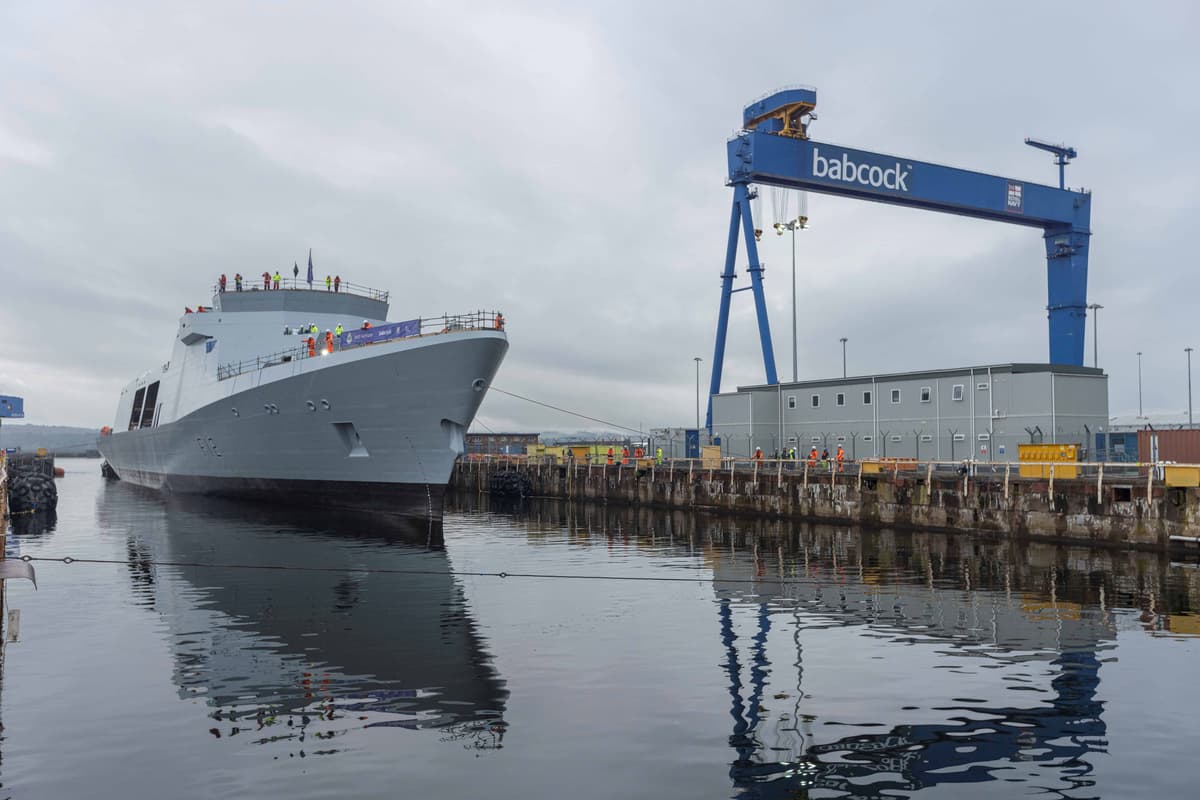
UK’s Type 31 Frigate Program Hit by £140M Cost Adjustment Amid Rework Challenges
Why It Matters
The added cost highlights the financial risk of mid‑project design changes in defence procurement and could pressure the UK’s naval budget and delivery timetable. It also underscores the importance of efficient shipyard practices for future warship programs.
Key Takeaways
- •Babcock adds $178 M cost bump due to rework on first two frigates
- •Out‑of‑sequence builds and design changes drove higher late‑stage expenses
- •Ships 3‑5 remain less affected, still in early construction phases
- •Type 31 program underpins UK naval modernization and domestic shipbuilding jobs
- •Arrowhead 140 export success highlights growing demand for modular combatants
Pulse Analysis
The Type 31 "Inspiration" class is the UK’s flagship effort to replace aging frigates with a versatile, export‑friendly platform. While the programme promises to deliver five general‑purpose vessels built across Scottish yards, the recent £140 million cost uplift exposes the vulnerability of large‑scale defence projects to design evolution after construction begins. Babcock’s engineering maturity review revealed that late‑stage modifications—triggered by lessons learned on the lead ship HMS Venturer—have forced extensive re‑work, inflating labour and material costs at a point when the schedule is already tight.
Productivity challenges stem largely from out‑of‑sequence build activities, where sections of the hull were assembled before final design freeze. This approach, intended to accelerate delivery, instead created bottlenecks as later changes required retrofitting and additional testing. The financial impact is concentrated on the first two vessels, which are now transitioning from structural completion to complex outfitting and commissioning phases. By increasing the program risk contingency, Babcock aims to safeguard the remaining ships from similar overruns, but the added budget pressure may prompt the Ministry of Defence to reassess funding allocations across its broader fleet modernization plan.
Beyond the immediate fiscal hit, the situation carries broader implications for the UK’s defence industrial base. The Type 31 programme supports thousands of skilled jobs and showcases the Arrowhead 140 design, already exported to Poland and Indonesia. Maintaining credibility with international customers will require tighter control of design changes and clearer cost‑risk frameworks. If the UK can stabilize the Type 31 schedule, it could reinforce its position as a supplier of modular warships, feeding both domestic needs and export ambitions. Conversely, persistent overruns risk eroding confidence in future projects such as the Type 26 and the upcoming amphibious assault vessels.
UK’s Type 31 frigate program hit by £140M cost adjustment amid rework challenges
Comments
Want to join the conversation?
Loading comments...