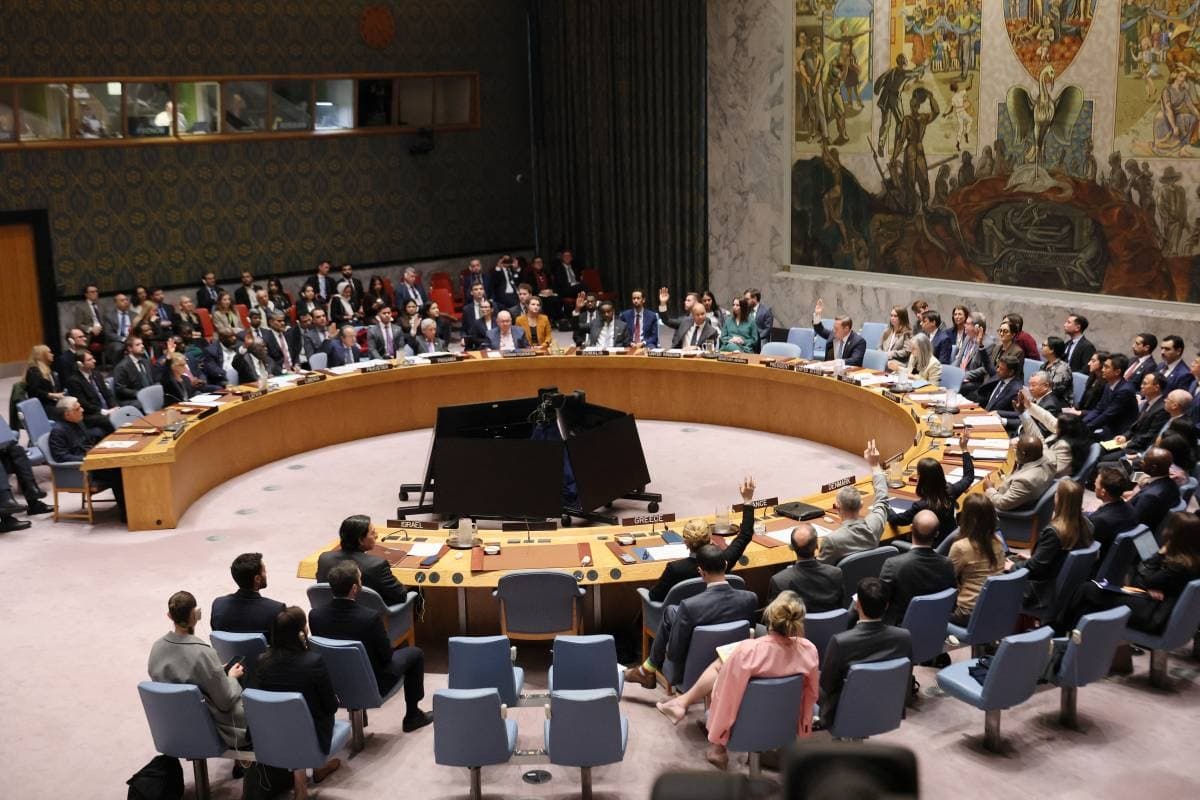
UN Security Council Demands Iran Halt Attacks on Gulf States
•March 11, 2026
0
Why It Matters
The resolution intensifies diplomatic pressure on Iran, underscoring risks to regional stability and the worldwide energy supply chain.
Key Takeaways
- •UNSC resolution passed 13-0-2 demanding Iran cease attacks
- •Targets include Bahrain, Saudi Arabia, UAE, Qatar, Oman, Kuwait, Jordan
- •Iran retaliated for US‑Israeli strike killing Khamenei
- •Strait of Hormuz navigation threatened, risking global fuel flow
- •Resolution heightens geopolitical tension and potential sanctions
Pulse Analysis
The Security Council’s latest resolution marks a rare moment of consensus among major powers confronting Iran’s aggressive posture in the Gulf. By explicitly linking Tehran’s missile and drone strikes to the death of Ayatollah Khamenei, the United Nations signals that retaliation against perceived Western aggression will not be tolerated. The language of the resolution—calling for an immediate halt to hostilities and condemning interference with the Strait of Hormuz—reflects deep concern over the strategic chokepoint that handles roughly a fifth of global oil shipments.
Disruption of the Strait of Hormuz would reverberate across global commodity markets, inflating oil prices and prompting supply chain volatility. Shipping firms already face heightened insurance premiums and rerouting costs as vessels weigh the risk of Iranian attacks against longer transit times. Energy analysts warn that even a brief closure could trigger a spike in Brent and WTI benchmarks, pressuring economies already grappling with inflationary pressures. The resolution therefore serves as both a diplomatic warning and a market signal, reminding investors that geopolitical risk remains a pivotal factor in energy pricing.
Looking ahead, the resolution may pave the way for coordinated sanctions or naval patrols aimed at deterring further Iranian aggression. While the United Nations lacks direct enforcement mechanisms, member states can leverage the resolution to justify economic measures, export controls, or increased military presence in the region. Tehran’s response will be closely watched; a de‑escalation could restore some stability, whereas continued provocations might invite a broader coalition response, reshaping the security architecture of the Middle East and influencing future diplomatic negotiations over Iran’s nuclear program.
UN Security Council demands Iran halt attacks on Gulf states
0
Comments
Want to join the conversation?
Loading comments...