Why It Matters
The veto undermines multilateral efforts to protect a chokepoint that supplies a fifth of the world’s oil and essential food commodities, exposing global markets to heightened volatility and humanitarian risk.
Key Takeaways
- •Russia and China vetoed Bahrain‑sponsored Strait of Hormuz security resolution.
- •US ambassador labeled veto as supporting Iran's intimidation of Gulf.
- •Resolution demanded Iran cease attacks on merchant vessels in vital waterway.
- •Blockade threatens oil flow and grain shipments to Africa, South Asia.
- •UN warned conflict could displace 3.2 million Iranians.
Pulse Analysis
The Strait of Hormuz carries roughly 20% of the world’s petroleum and a critical share of grain and fertilizer shipments. In April, Bahrain, backed by Jordan, Kuwait, Qatar, Saudi Arabia and the UAE, drafted a UN Security Council resolution calling for all states to cooperate in safeguarding navigation and demanding that Iran immediately halt attacks on merchant vessels. The text sought to reaffirm the principle of freedom of navigation under international law and to pre‑empt further disruptions as the regional conflict escalated.
Russia and China exercised their veto power, arguing the draft unfairly singled out Iran while ignoring alleged Israeli and U.S. actions. Their joint opposition underscored a broader pattern of shielding Tehran from diplomatic pressure, a stance echoed by U.S. Ambassador Mike Waltz, who accused the two powers of enabling Iran to hold the global economy “at gunpoint.” The veto arrived alongside former President Donald Trump’s inflammatory remarks threatening Iran’s civilization, heightening rhetoric and signaling that the Security Council’s ability to broker a maritime de‑escalation is severely constrained.
The impasse threatens oil markets, with any prolonged closure potentially spiking prices and straining supply chains that feed Africa and South Asia with essential food and fertilizer. Humanitarian agencies warn that 80 UN and NGO convoys delivering aid to crises in the Congo, Sudan and Gaza could be delayed, compounding already fragile conditions. Moreover, the United Nations has flagged the risk of up to 3.2 million Iranians facing temporary displacement if hostilities persist. Without a consensus resolution, diplomatic channels remain blocked, leaving commercial shipping and regional stability in a precarious balance.
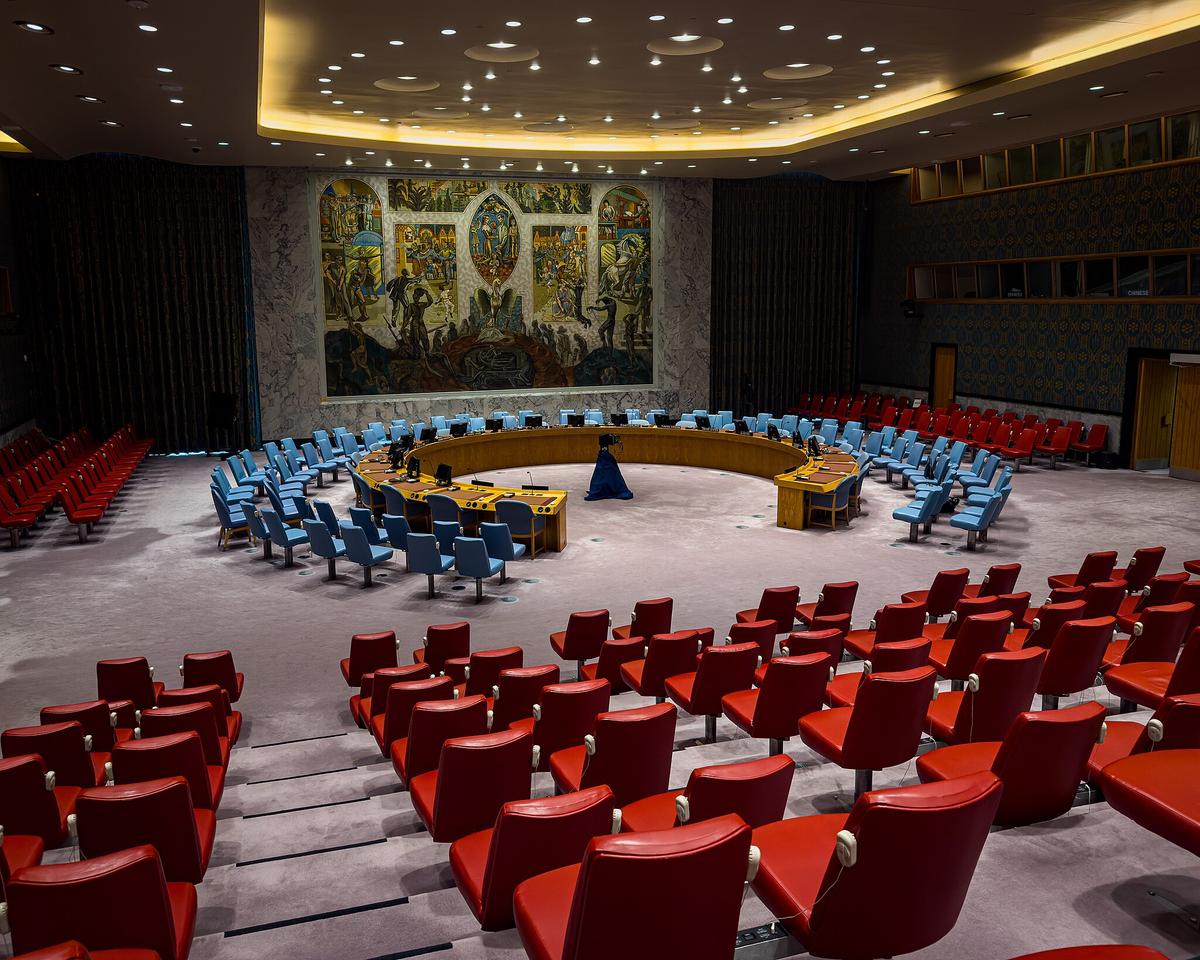
UN Security Council vetoes resolution on Strait of Hormuz
Comments
Want to join the conversation?
Loading comments...