Underground Maneuver: Traysar Emerges From Stealth With $25M Seed Round to Modernize Subterranean Warfare
Companies Mentioned
Why It Matters
Subterranean threats are a blind spot in traditional defense spending, and Traysar’s technology could give militaries a decisive edge in neutralizing hidden enemy infrastructure while also protecting critical civilian assets. The funding validates a shift toward private‑sector innovation in a domain historically dominated by legacy defense contractors.
Key Takeaways
- •Traysar raised $25M seed led by Silent Ventures.
- •First company dedicated to subterra defense technology.
- •Autonomous tunnel‑breaching vehicle and rapid‑burrowing drone in pipeline.
- •Investors include Lux Capital, Anduril founders, and Steve Blank.
- •Aims to harden critical infrastructure by moving assets underground.
Pulse Analysis
The rise of underground warfare has exposed a glaring vertical bias in global defense budgets, which traditionally prioritize air and space capabilities. Nations worldwide have invested billions in missiles, satellites, and drones, yet adversaries exploit the earth’s crust to shield command centers, weapons stockpiles, and logistics routes. This asymmetry forces militaries to confront a domain that is difficult to detect with conventional ISR assets, creating a strategic vulnerability that private innovators are now eager to address.
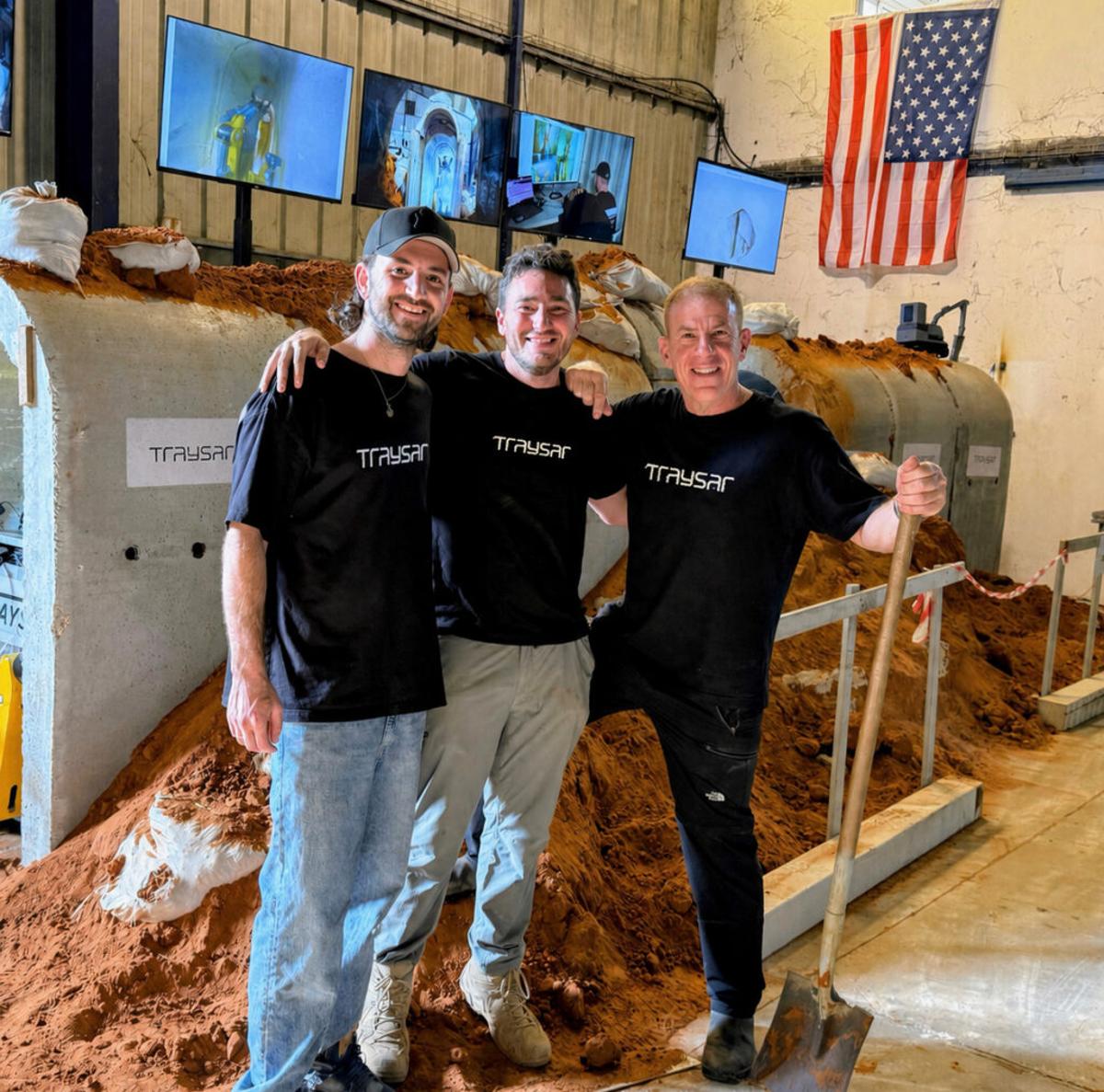
Traysar’s approach leverages expertise from SpaceX and The Boring Company to deliver two autonomous platforms: a heavy‑duty tunnel‑breaching vehicle that can rapidly excavate and map hostile networks, and a high‑speed burrowing drone capable of creating precise access points for payload delivery. Backed by a $25 million seed round that includes Silent Ventures, Lux Capital, and notable angels such as Steve Blank, the startup is positioned to accelerate prototype testing later this year. Its team’s deep experience in high‑risk engineering reduces development risk, while the diversified investor base underscores confidence in the commercial and military applicability of subterra solutions.
If successful, Traysar could reshape both offensive and defensive doctrines. Militaries would gain tools to neutralize fortified underground facilities, from enemy bunkers to illicit tunnel networks used by non‑state actors. Simultaneously, the technology offers a civilian upside: relocating critical infrastructure—data centers, power substations, and supply depots—deep underground to enhance resilience against precision strikes. This dual‑use potential may attract further venture capital, prompting a wave of innovation that challenges legacy defense primes and redefines 21st‑century battlefield dynamics.
Underground Maneuver: Traysar Emerges From Stealth With $25M Seed Round to Modernize Subterranean Warfare
Comments
Want to join the conversation?
Loading comments...