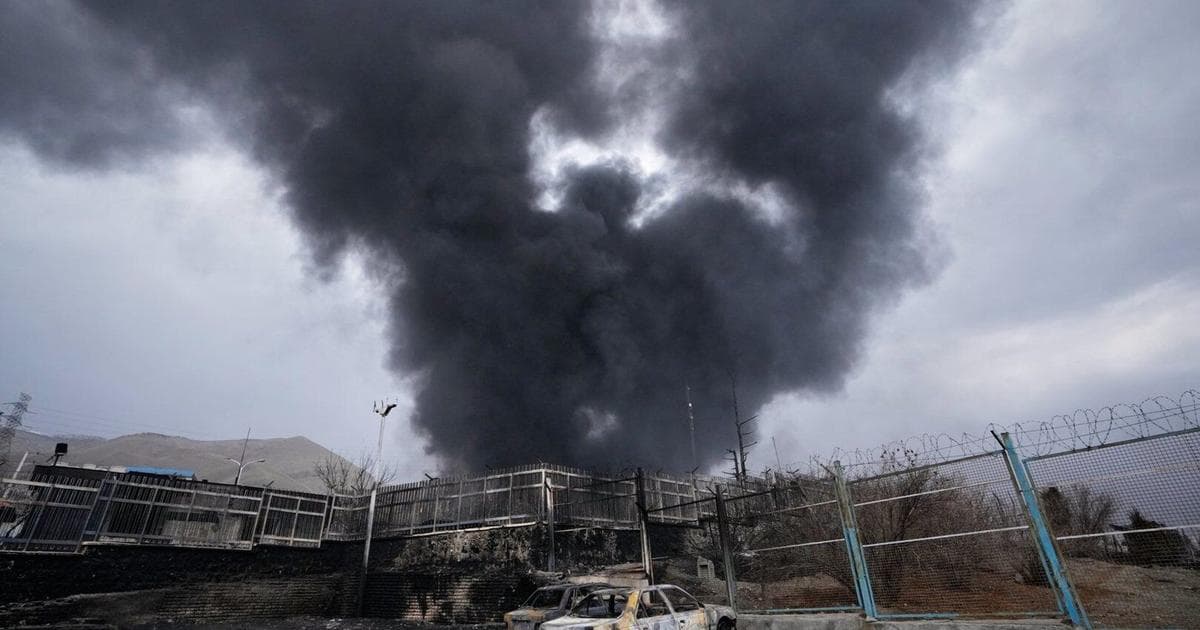
Unsettled and Uncertain: What the Iran War Means Around the World as US and Iran Enter Talks
Why It Matters
The fighting reshapes regional power balances and pushes energy prices upward, directly affecting global markets and the U.S. political and economic outlook.
Key Takeaways
- •Iran's mine threats close Strait of Hormuz, curbing oil flow.
- •Israel's war goals unmet; Netanyahu faces electoral risk.
- •Gulf Arab oil output stalled, market supply tightens.
- •NATO unity tested by Trump’s criticism over Iran response.
- •US consumer inflation spikes as gas prices hit $4.15 per gallon.
Pulse Analysis
The Iran‑Israel conflict has morphed from a conventional battlefield into a strategic bargaining chip for Tehran. By threatening to mine the Strait of Hormuz, Iran can force shipping lanes to reroute, effectively throttling the flow of roughly 20% of the world’s oil. This leverage comes even as Iran’s missile stockpiles and infrastructure lie in ruins, underscoring how asymmetric tactics can outweigh conventional firepower. The upcoming U.S.–Iran talks in Pakistan therefore carry weight far beyond diplomatic niceties; they could set the parameters for future energy security and regional stability.
In Jerusalem, Prime Minister Benjamin Netanyahu’s narrative of decisive victory clashes with a public weary of prolonged sirens and civilian disruptions. The incomplete achievement of pre‑war objectives—neutralizing Iran’s nuclear ambitions and dismantling proxy networks—has eroded his political capital ahead of the 2026 elections. Meanwhile, Gulf Arab states such as Saudi Arabia and the UAE confront reduced refinery output and export constraints, prompting a scramble for alternative supply routes. NATO, already strained by President Trump’s unilateral rhetoric, now confronts a test of cohesion as member states debate the extent of support for U.S. operations in the region.
The economic ripple effects are palpable on Main Street. Brent crude surged from $70 to over $119 per barrel, pushing U.S. pump prices to $4.15 a gallon, a level that squeezes household budgets and fuels a 3.3% year‑over‑year rise in consumer prices. This inflationary pressure threatens to dampen consumer spending, complicating the Republican agenda to showcase a post‑war economic rebound. As voters weigh the cost of higher energy bills against national security concerns, the Iran war’s legacy will likely influence both market dynamics and electoral outcomes well into the next election cycle.
Unsettled and uncertain: What the Iran war means around the world as US and Iran enter talks
Comments
Want to join the conversation?
Loading comments...