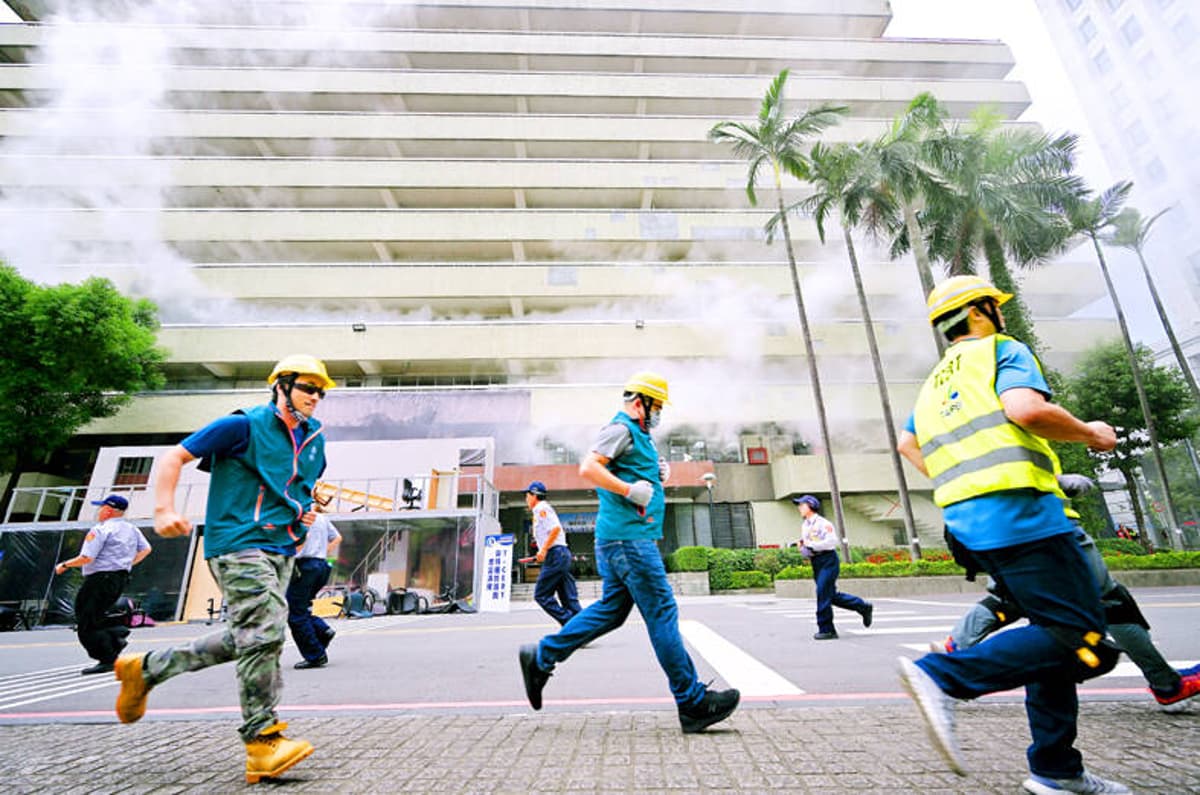
Urban Resilience Drills to Be Held with Han Kuang
Why It Matters
The joint exercises test Taiwan’s whole‑of‑society defense posture amid heightened cross‑strait tensions and climate‑driven disasters, highlighting systemic vulnerabilities before they are exploited.
Key Takeaways
- •Urban resilience drills run alongside Han Kuang 41 exercises
- •Drills cover New Taipei, Yilan, Kaohsiung, Pingtung
- •Focus on civilian evacuations, mass‑casualty response, hospital readiness
- •No pre‑stockpiling allowed to test real‑time proficiency
- •Evaluators will grade performance to expose system weaknesses
Pulse Analysis
Taiwan’s decision to pair urban resilience drills with the Han Kuang 41 war games reflects a strategic shift toward integrated civil‑military preparedness. By embedding civilian evacuation and mass‑casualty scenarios within live‑fire maneuvers, the government seeks to simulate the chaotic conditions of a potential conflict with China or a large‑scale natural disaster. This approach mirrors lessons drawn from Ukraine’s resistance, where fragmented response mechanisms hampered early relief efforts. The drills’ unscripted nature—prohibiting pre‑positioned supplies or rehearsed actions—forces participants to rely on real‑time decision‑making, revealing gaps in communication, logistics and command structures.
The inclusion of key urban centers such as New Taipei and Kaohsiung underscores the importance of protecting Taiwan’s economic hubs. Hospital surge capacity and emergency medical‑aid stations are tested to ensure that health infrastructure can absorb sudden spikes in casualties, a critical factor given the island’s dense population and aging medical workforce. Moreover, the emphasis on traffic control and psychological hardening addresses the broader societal resilience needed to sustain morale during protracted crises. Evaluator teams from the Ministry of National Defense will score each phase, creating a data‑driven feedback loop that can inform policy adjustments and resource allocation.
For businesses and investors, these drills signal heightened risk awareness and potential demand for defense‑related technologies, such as advanced communications, autonomous rescue robots, and resilient energy solutions. Companies operating in Taiwan may need to review their continuity plans, ensuring alignment with the newly identified vulnerabilities. As Taiwan continues to fortify its civil‑defense framework, the ripple effects could reshape supply chains across the Asia‑Pacific, prompting multinational firms to reassess exposure and engage more closely with local authorities on emergency preparedness initiatives.
Urban resilience drills to be held with Han Kuang
Comments
Want to join the conversation?
Loading comments...