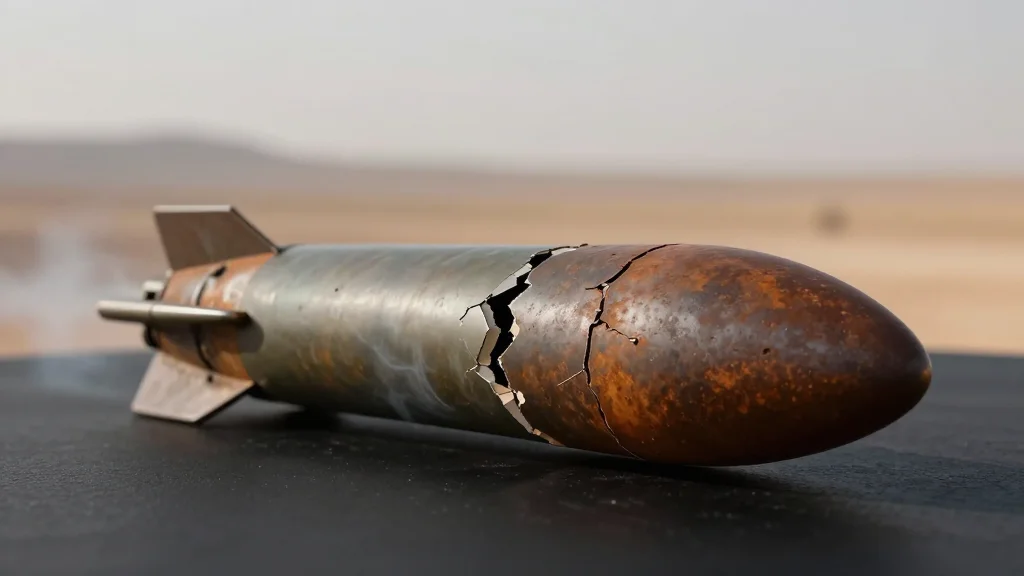
US Admiral Says Iran's Ability to Threaten Neighbors Dramatically Degraded
Why It Matters
The weakened Iranian war machine reduces the risk of escalation in the Middle East, allowing U.S. allies to adjust security postures and potentially pursue diplomatic de‑escalation. It also reshapes the strategic balance for regional proxy forces that depend on Tehran’s arms supplies.
Key Takeaways
- •US strikes cut Iran's defense industry output by roughly 90%.
- •Iran's ability to export weapons to Hezbollah, Houthis, Hamas is severed.
- •Admiral Cooper claims Iran no longer poses a regional, cross‑domain threat.
- •Tehran's underground missile and drone stockpiles' operational status remains uncertain.
Pulse Analysis
The United States’ recent air campaign against Iran has, according to Admiral Brad Cooper, head of U.S. Central Command, crippled Tehran’s defense industrial base by about 90 percent. Cooper told a Senate Armed Services Committee that the strikes have stripped Iran of the capacity to launch large‑scale missile or drone attacks across the region, effectively neutralizing the threat it once posed to U.S. forces and allied nations. While the admiral emphasized the tactical success of the operation, he stopped short of confirming intelligence reports that suggest some underground stockpiles remain functional.
This degradation reshapes the security calculus for neighboring states and proxy groups that have long relied on Iranian arms. Hezbollah in Lebanon, the Houthis in Yemen, and Hamas in Gaza now face disrupted supply lines, limiting their ability to replenish rockets, UAVs, and precision munitions. Regional partners such as Saudi Arabia and Israel can adjust their defense postures with reduced fear of sudden Iranian‑backed escalations, potentially opening diplomatic space for de‑escalation initiatives. At the same time, the United States may reallocate resources previously earmarked for counter‑Iran operations.
Nevertheless, uncertainty lingers over the residual capabilities hidden in Iran’s subterranean facilities. Open‑source analysts caution that a fraction of missile and drone inventories could survive the bombardment, allowing Tehran to rebuild over time. The strategic implication is a temporary, rather than permanent, shift in the balance of power. Policymakers will need to monitor reconstruction efforts, sanctions enforcement, and any diplomatic overtures that could either cement the current lull or reignite a new round of regional tension.
US admiral says Iran's ability to threaten neighbors dramatically degraded
Comments
Want to join the conversation?
Loading comments...