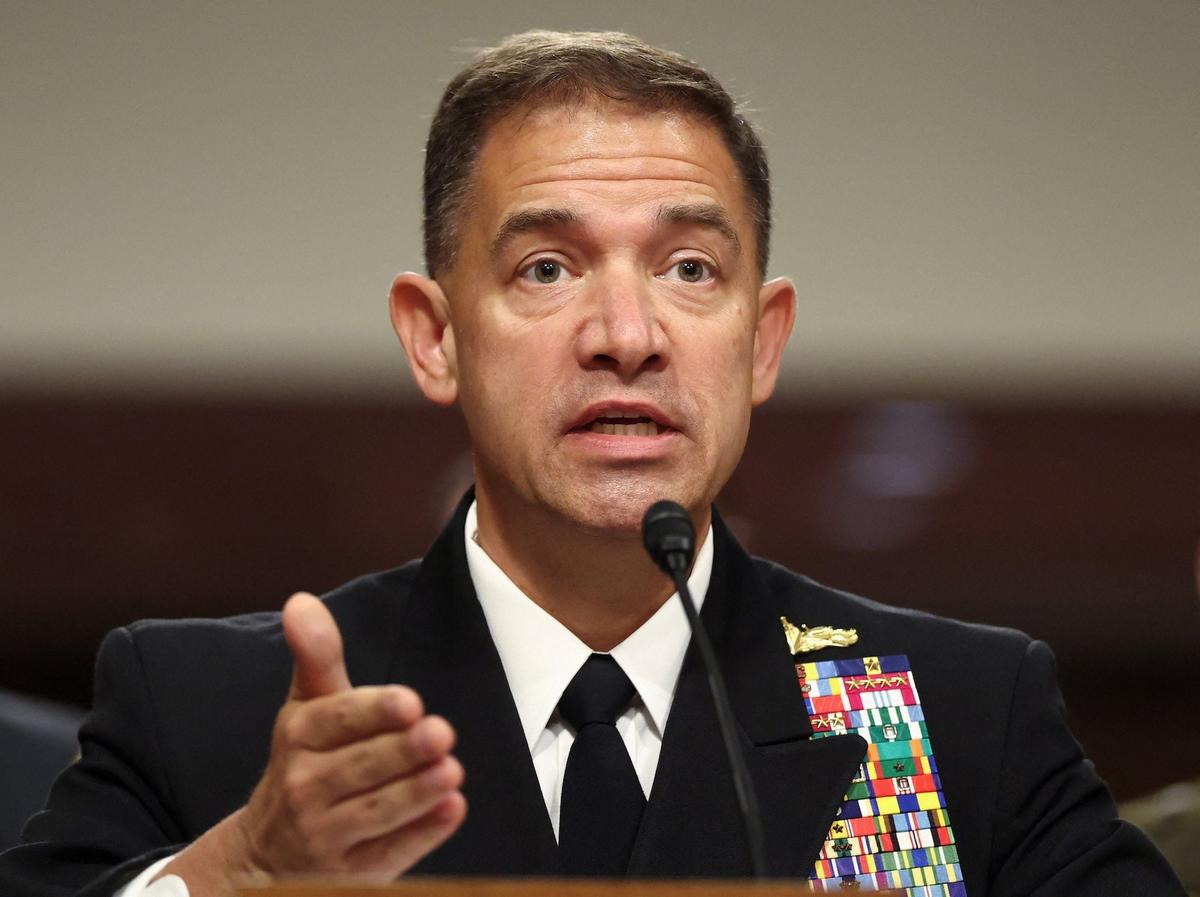
U.S. Admiral Says Operation EPIC FURY Rolled Back ‘40 Years’ of Iranian Military Investment
Why It Matters
The strike dramatically curtails Iran’s power‑projection ability, lowering the immediate threat to commercial shipping and U.S. allies in the Middle East, while the residual capabilities demand sustained vigilance.
Key Takeaways
- •38‑day campaign degraded 85% of Iran’s missile, drone, naval assets.
- •10,200 sorties and 13,500 strikes hit 1,450 weapons factories.
- •161 Iranian warships destroyed; 90% of 8,000 naval mines eliminated.
- •Iranian air force sorties fell from up to 100 daily to zero.
- •Operation highlighted cheap one‑way drones reshaping warfare economics.
Pulse Analysis
Operation EPIC FURY marked an unprecedented level of kinetic pressure on Iran’s defense industrial base. By deploying over ten thousand sorties and more than thirteen thousand precision strikes, U.S. and Israeli forces crippled missile production lines, drone launch sites, and naval shipyards, effectively erasing four decades of Tehran’s strategic buildup. The rapid neutralization of air‑defense systems and the destruction of 161 warships also shifted the balance in the Strait of Hormuz, easing insurance premiums and encouraging a tentative resurgence of commercial traffic through one of the world’s most vital chokepoints.
Beyond the immediate damage, the campaign underscored the growing relevance of low‑cost, one‑way attack drones. CENTCOM highlighted the first combat use of Group 3 drones, which intercepted thousands of hostile UAVs and ballistic missiles while delivering lethal strikes at a fraction of traditional weapon costs. This technology not only amplified the U.S. ability to suppress integrated air‑defense networks but also signaled a broader shift in modern warfare economics, where inexpensive autonomous platforms can achieve strategic effects previously reserved for high‑end systems.
Looking ahead, Tehran’s remaining “nuisance” capabilities—such as fast‑boat harassment, limited drone sorties, and mine‑laying—mean the region will not be entirely risk‑free. Rebuilding efforts are likely to focus on asymmetric tactics and proxy engagements, prompting Washington to maintain a persistent naval presence and enforce the existing blockade. The long‑term strategic calculus will hinge on whether sustained pressure can prevent Iran from reconstituting a credible power‑projection force, shaping the security architecture of the Middle East for years to come.
U.S. Admiral Says Operation EPIC FURY Rolled Back ‘40 Years’ of Iranian Military Investment
Comments
Want to join the conversation?
Loading comments...