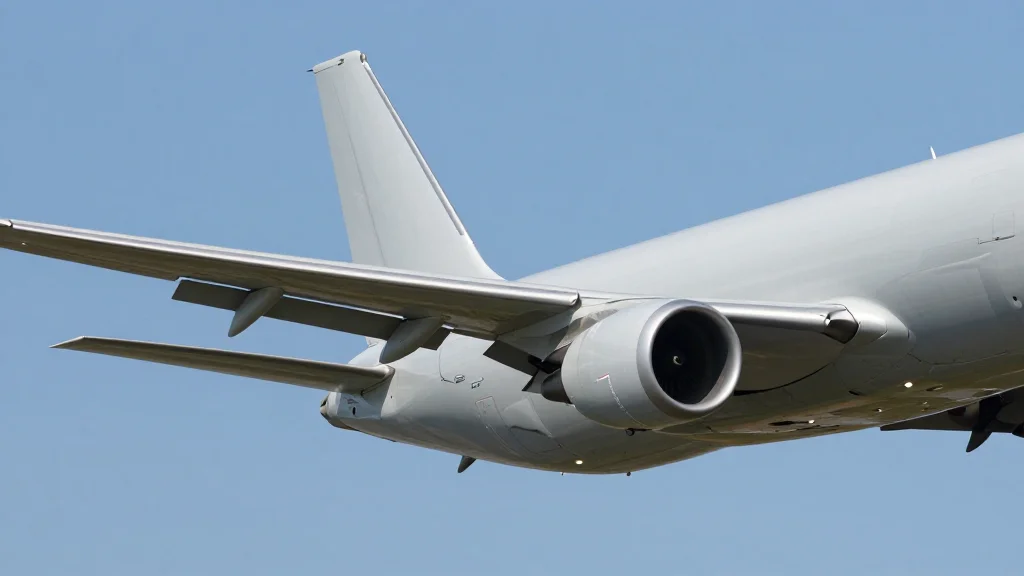
U.S. Air Force Eyes Major Expansion of KC-46A Pegasus Fleet
Why It Matters
A larger KC-46 fleet would boost the Air Force’s global reach and sustainment capabilities while cementing Boeing’s role as the primary supplier of U.S. aerial refueling assets.
Key Takeaways
- •Air Force aims for ~319 KC-46A tankers long term
- •Current fleet stands at roughly 100 operational aircraft
- •Expansion could fully retire aging KC-135 fleet
- •KC-46A faced early technical and software issues
- •Boeing poised to dominate US tanker market
Pulse Analysis
The KC-46A Pegasus, Boeing’s newest aerial refueling platform, entered service in 2019 after a protracted development cycle marked by software integration challenges and supply‑chain hiccups. Today, roughly one hundred of the aircraft are operational, providing modern fuel‑off‑load capabilities, cargo transport, and medical evacuation functions that the aging KC-135 fleet cannot match. The platform’s advanced avionics and multi‑role flexibility have already proven valuable in joint exercises across the Pacific and Europe, reinforcing the United States’ air‑mobility posture.
Strategic planners are now eyeing a dramatic scale‑up, targeting a total of about 319 Pegasus tankers. This expansion would not only double the current fleet size but also set the stage for a full phase‑out of the KC-135, a workhorse that has logged millions of flight hours since the 1950s. Replacing the legacy fleet promises lower maintenance costs, higher fuel efficiency, and tighter integration with modern command‑and‑control networks. The procurement push aligns with the Department of Defense’s broader push to modernize its force structure and maintain a credible global deterrent amid rising great‑power competition.
Despite its troubled start, the KC-46’s sole status as a U.S.‑manufactured tanker gives Boeing a near‑monopoly in the domestic market. The anticipated order surge could revitalize Boeing’s defense revenue streams and secure its supply chain for years to come. However, the Air Force will closely monitor the platform’s reliability metrics, especially after recent software patches aimed at resolving earlier deficiencies. Successful scaling will hinge on meeting delivery timelines, sustaining operational readiness, and delivering the promised performance gains that justify the sizable investment.
U.S. Air Force Eyes Major Expansion of KC-46A Pegasus Fleet
Comments
Want to join the conversation?
Loading comments...