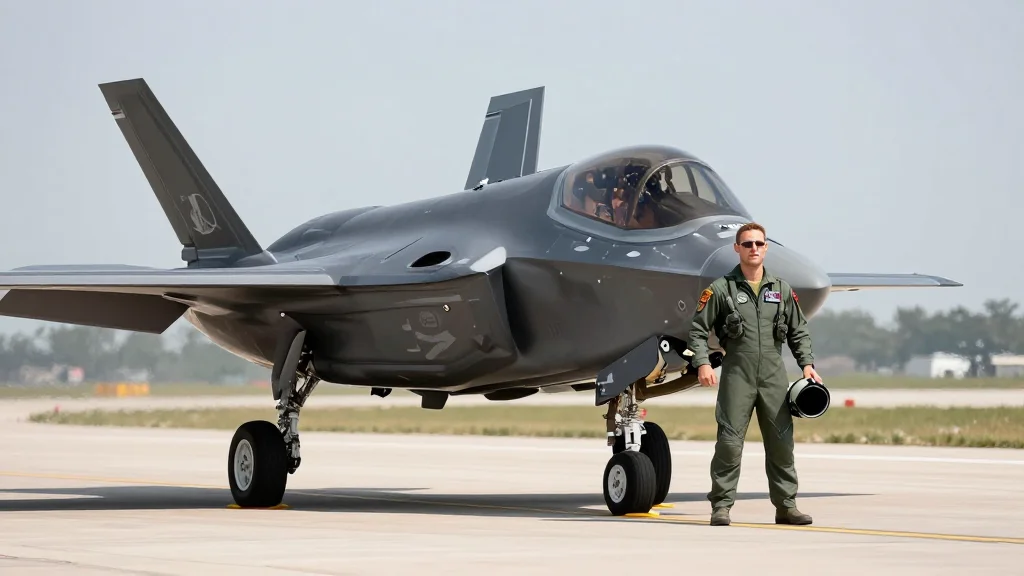
US Air Force Reassigns Combat Training Units to Enhance Readiness
Why It Matters
By centralizing combat training, the Air Force expects faster skill acquisition and higher readiness scores, directly supporting its pivot toward integrated, high‑tempo operations against near‑peer threats. The move also signals a broader push to streamline defense spending while maintaining combat effectiveness.
Key Takeaways
- •Combat training squadrons moved under Air Education and Training Command
- •Realignment aims to streamline curriculum and reduce duplication
- •New structure accelerates joint‑force integration for multi‑domain operations
- •Readiness metrics expected to improve within the next fiscal year
Pulse Analysis
The Air Force’s decision to reassign combat training units reflects a strategic response to evolving threat environments. Over the past decade, the service has grappled with fragmented training pathways that often duplicated effort across fighter, bomber and electronic warfare schools. By consolidating these programs under AETC, the service can apply a unified doctrine, leverage shared simulators, and synchronize instructor expertise, ultimately reducing the time it takes pilots and crew to progress from basic qualification to mission‑ready status.
The realignment also dovetails with the Department of Defense’s emphasis on multi‑domain operations, where air, space, cyber and land components must operate seamlessly. Integrating combat training with AETC’s existing curriculum enables joint‑force exercises that mirror real‑world scenarios, such as coordinated strikes involving fifth‑generation fighters and autonomous platforms. Early pilots of the new structure report more frequent cross‑domain drills and a clearer career progression for airmen specializing in emerging technologies like hypersonic weapons and AI‑driven decision aids.
Financially, the consolidation promises cost savings by eliminating overlapping facilities and streamlining procurement of training equipment. These efficiencies free up budgetary headroom for modernization initiatives, including next‑generation aircraft and advanced simulation environments. In the longer term, the streamlined training pipeline is expected to boost readiness metrics, giving the Air Force a measurable edge as it prepares for potential high‑intensity conflicts in the Indo‑Pacific and European theaters.
US Air Force reassigns combat training units to enhance readiness
Comments
Want to join the conversation?
Loading comments...