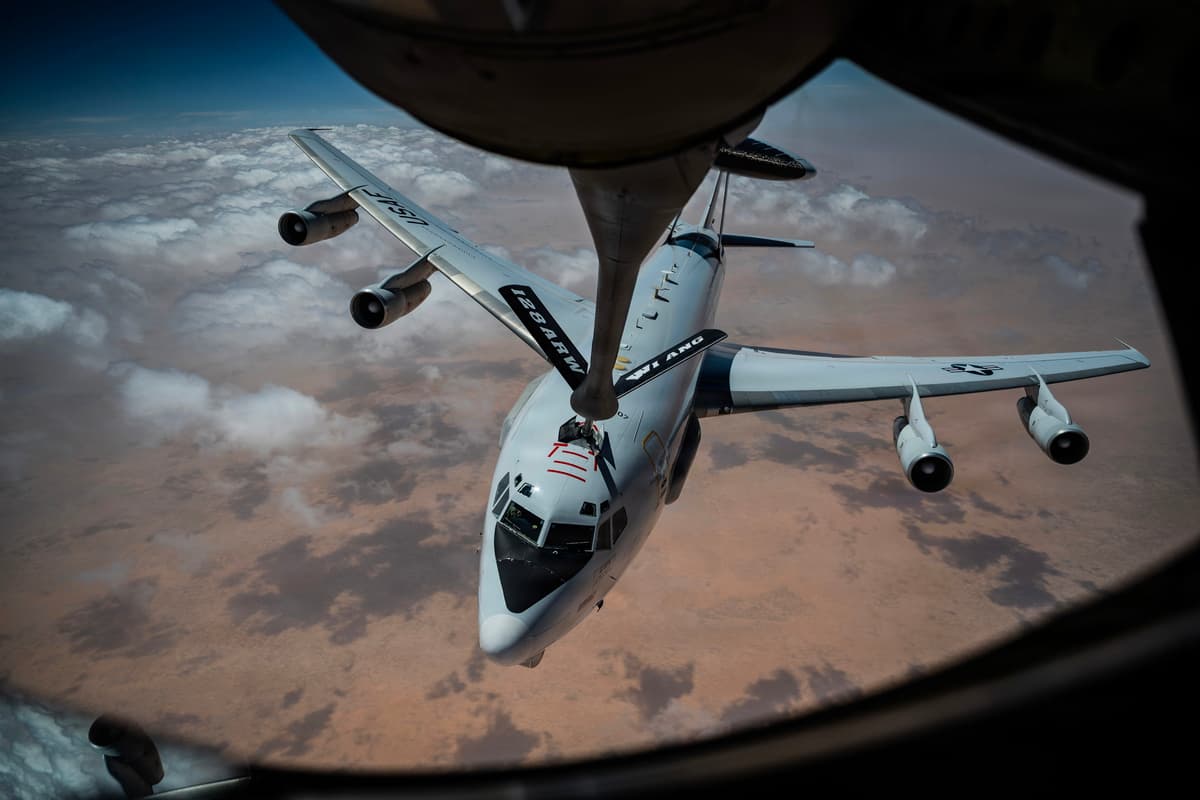
US Air Force Tanker Availability Figures May Be Inflated, Study Finds
Why It Matters
Accurate tanker readiness data is critical for U.S. power projection, and the identified gaps threaten global air‑refueling reliability and operational tempo.
Key Takeaways
- •GAO finds Air Force tanker availability numbers likely overstated
- •Only a fraction of KC-135/KC-46 fleet fully mission capable for refueling
- •Spare‑parts shortages and maintenance staffing gaps drive prolonged aircraft downtime
- •Regional sharing and extended maintenance intervals proposed to boost tanker readiness
Pulse Analysis
The aerial refueling fleet is the backbone of U.S. air power, enabling fighters, bombers and transport aircraft to operate across the globe without landing. The GAO’s latest analysis uncovers a discrepancy in how the Air Force reports tanker readiness: aircraft counted as "mission‑capable" may only be fit for cargo or medevac missions, not the critical refueling role. This inflated metric masks a shortfall in fully mission‑capable tankers, a concern that could constrain sortie rates during high‑intensity operations or humanitarian missions.
Underlying the readiness gap are two intertwined sustainment challenges. The venerable KC‑135, in service since 1957, suffers from an eroding supply chain, with parts often unavailable for months, grounding aircraft for extended periods. Meanwhile, the newer KC‑46A, derived from a Boeing 767 platform, faces technical hurdles such as unreliable refueling booms and a shortage of trained maintainers. These issues are compounded by overtaxed depot facilities, leading to delayed repairs and a growing backlog of aircraft awaiting service.
In response, the Air Force is exploring pragmatic fixes while the GAO urges structural reforms. Regionalization—borrowing tankers between bases—offers a short‑term boost in availability, and extending the interval between depot maintenance from five to six years could raise readiness by roughly six percent. However, lasting improvement will require clear standards that isolate aerial refueling capability, investment in parts inventory, and a pipeline for skilled maintenance personnel. Without these measures, the United States risks a strategic vulnerability in its ability to project air power worldwide.
US Air Force tanker availability figures may be inflated, study finds
Comments
Want to join the conversation?
Loading comments...