U.S. and Iran Exchange Drone Strikes, Oil Jumps 2% as Ceasefire Falters

Why It Matters
The renewed drone skirmish illustrates how modern conflicts can pivot on low‑cost, high‑impact weapons that threaten both military assets and critical commercial infrastructure. With roughly 20% of the world’s oil flowing through the Strait of Hormuz, any perception of disruption instantly inflates energy prices, feeding inflation and tightening fiscal margins for oil‑importing nations. Beyond the immediate price shock, the episode tests the durability of the April ceasefire that underpins a fragile regional balance. If the United States, Iran and Israel cannot contain these flashpoints, the risk of a broader escalation could draw in regional allies, destabilize global supply chains, and force a re‑evaluation of defense postures across Europe, Asia and the Gulf.
Key Takeaways
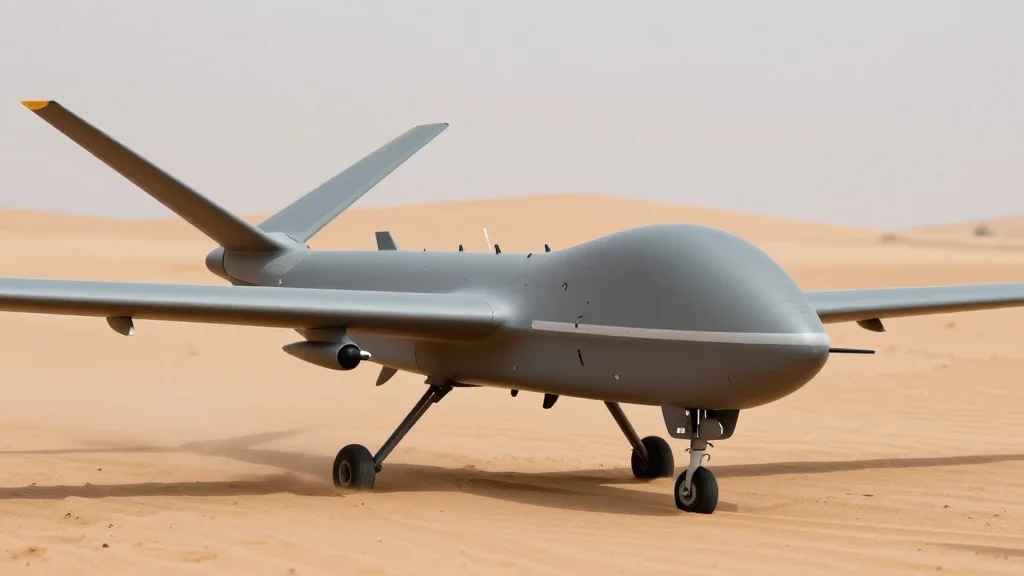
- •U.S. forces shot down four Iranian one‑way attack drones and struck a control station in Bandar Abbas.
- •Iran’s Revolutionary Guard hit a U.S. airbase in Kuwait in retaliation.
- •Brent crude rose 1.8% to $95.95 a barrel; WTI climbed to $90.87 a barrel.
- •President Trump warned the U.S. may have to “finish the job” if talks stall.
- •Israel expanded its combat zone in southern Lebanon, killing civilians in Tyre.
Pulse Analysis
The latest exchange of drones signals a shift from large‑scale missile battles to a war of attrition fought with inexpensive, expendable systems. Both Washington and Tehran have demonstrated the ability to project force quickly, yet they remain constrained by the political cost of a full‑scale confrontation. This dynamic creates a dangerous equilibrium where each side can inflict symbolic damage without triggering a decisive escalation, but the cumulative effect—higher oil prices, civilian casualties, and regional instability—may erode the ceasefire’s credibility.
Historically, the Strait of Hormuz has been a flashpoint for great‑power rivalry, but the current episode adds a new layer: the integration of cyber‑enabled drone swarms that can be launched from coastal sites with minimal warning. This lowers the threshold for engagement and complicates traditional deterrence calculations. For defense planners, the lesson is clear—investments in rapid detection, electronic warfare and counter‑drone capabilities are now as vital as missile defense.
Looking ahead, the market’s swift reaction suggests that policymakers will feel pressure to contain the conflict before energy markets spiral further. Diplomatic overtures, such as the disputed draft agreement involving Iran and Oman, will likely be scrutinized for any sign of genuine de‑escalation. However, as long as the underlying strategic contest—U.S. containment of Iran’s regional influence and Tehran’s leverage over global oil flows—remains unresolved, the region will continue to generate spikes in defense spending, heightened alert levels, and a volatile energy outlook.
U.S. and Iran exchange drone strikes, oil jumps 2% as ceasefire falters
Comments
Want to join the conversation?
Loading comments...