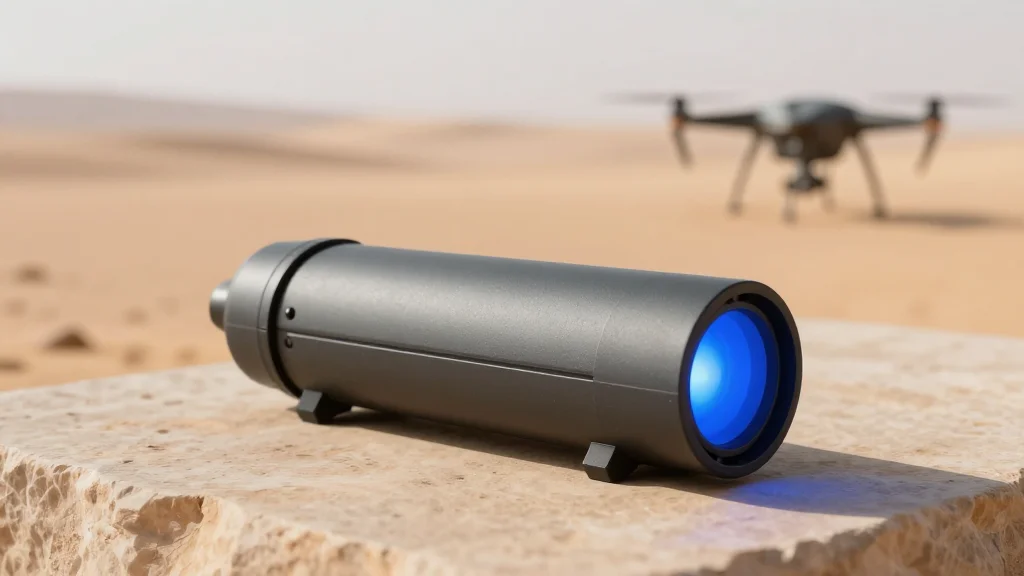
US Approves Possible $1.98bn Counter-Drone Systems Sale to Kuwait
Companies Mentioned
Why It Matters
The deal bolsters Kuwait’s ability to defend against increasingly sophisticated drone threats, reinforcing U.S. strategic ties with a key Gulf ally while expanding the market for American counter‑drone technology.
Key Takeaways
- •US approves $1.98bn counter‑drone sale to Kuwait
- •Anduril named principal contractor for Roadrunner‑Munition and Anvil‑Kinetic
- •Sale includes C‑UAS platforms, launch boxes, C2 systems, and training
- •Kuwait cites 869 UAVs and missile threats from Iran
- •Deal follows $2.5bn battle command system and $800m Patriot support
Pulse Analysis
The United States continues to leverage foreign military sales as a tool for both economic growth and geopolitical influence. By approving a $1.98 billion counter‑drone package for Kuwait, Washington not only opens a sizable revenue stream for firms like Anduril but also signals confidence in its own defense innovation pipeline. Counter‑uncrewed aerial systems have become a priority as adversaries field inexpensive, swarm‑capable drones that can threaten critical infrastructure and air defenses. The inclusion of both kinetic (Anvil‑Kinetic) and electronic (electromagnetic warfare) solutions reflects a holistic approach to neutralizing these threats.
For Kuwait, the acquisition addresses a pressing security gap highlighted by its ministry’s claim of hundreds of UAVs and missile launches linked to regional tensions with Iran. As a major non‑NATO ally, Kuwait benefits from U.S. technology that integrates seamlessly with existing platforms like the Patriot air‑defense system, enhancing layered protection across its airspace. The training, logistics, and engineering support bundled with the sale ensure rapid operational readiness, allowing Kuwait to field a credible deterrent against both conventional and asymmetric aerial attacks.
The broader market implications are significant. This transaction underscores a growing appetite among Gulf states for high‑tech, autonomous defense solutions, prompting other U.S. defense contractors to accelerate development of next‑generation C‑UAS capabilities. At the same time, the sale raises questions about regional arms dynamics, as neighboring countries may seek comparable systems to maintain balance. Nonetheless, the U.S. stance that the deal will not alter the regional military equilibrium suggests confidence that the technology will serve primarily defensive, rather than offensive, purposes, reinforcing stability while driving innovation in the counter‑drone sector.
US approves possible $1.98bn counter-drone systems sale to Kuwait
Comments
Want to join the conversation?
Loading comments...