US Arms Sales to Taiwan on 'Pause' Due to Iran War, Acting Navy Chief Says
Why It Matters
The suspension delays critical capability upgrades for Taiwan, potentially weakening its deterrence posture while the U.S. reallocates defense assets to the Middle East. It also signals how regional crises can reshape U.S. arms export priorities.
Key Takeaways
- •Arms sales to Taiwan halted amid heightened Iran conflict
- •U.S. Navy acting secretary cited resource constraints at hearing
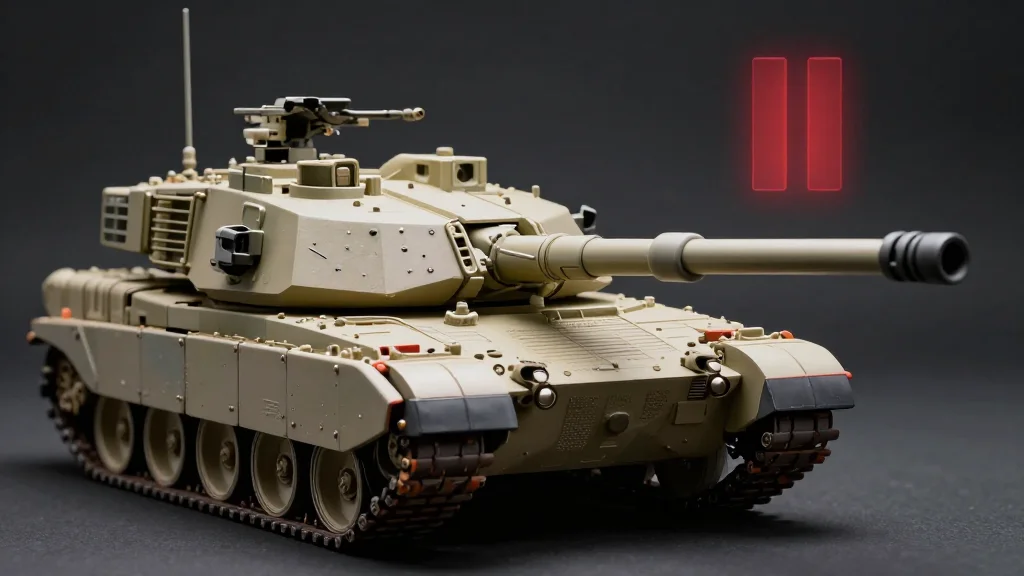
- •Delay could stall delivery of F‑16s, missiles, and tanks
- •Taiwan may seek alternative suppliers to maintain defense timeline
Pulse Analysis
The pause in U.S. arms sales to Taiwan underscores how geopolitical flashpoints can ripple through global defense supply chains. With the Iran war demanding aircraft, munitions and logistical support, American manufacturers are reallocating production lines to meet immediate wartime needs. This shift not only strains inventory for existing contracts but also forces the Pentagon to prioritize short‑term operational demands over long‑term strategic sales, creating a bottleneck for high‑value platforms destined for Taipei.
For Taiwan, the timing is particularly sensitive. The island’s defense plan relies on a staggered influx of F‑16V fighters, Patriot‑type missile systems and the domestically assembled M1A2T Abrams tanks, all intended to counterbalance China’s expanding military capabilities. A delay compresses the procurement schedule, potentially leaving gaps in air and ground readiness. Consequently, Taipei may accelerate talks with European or Japanese firms, diversify its sourcing strategy, or seek accelerated congressional funding to offset the shortfall.
From a broader policy perspective, the episode highlights the delicate balance Washington must strike between supporting allies and managing finite defense resources. Congressional oversight of foreign military sales will likely intensify, with lawmakers demanding clearer criteria for pausing or prioritizing deals. Meanwhile, defense contractors are prompted to build more resilient production buffers to mitigate future geopolitical shocks, ensuring that strategic partners like Taiwan receive promised equipment without undue interruption.
US arms sales to Taiwan on 'pause' due to Iran war, acting Navy chief says
Comments
Want to join the conversation?
Loading comments...