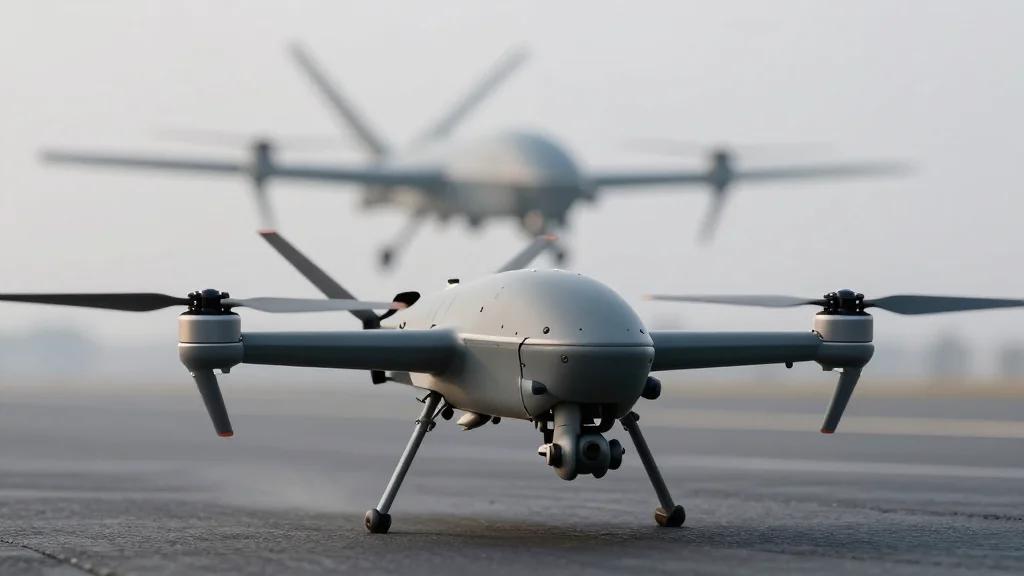
U.S. Army Deploys Ukraine‑Tested Merops Drones to Counter Iranian Shahed Threat

Why It Matters
The rapid fielding of Merops drones reflects a broader doctrinal shift toward cost‑effective, high‑volume counter‑UAV solutions as Iran’s Shahed drones proliferate across multiple conflict zones. By undercutting the price of hostile UAVs, the U.S. can force adversaries into an unsustainable economic model, reducing the incentive to mass‑produce cheap drones. Moreover, the success of a Ukraine‑tested system validates the practice of borrowing battlefield‑proven technology, accelerating acquisition cycles and enhancing interoperability with NATO partners who already operate the platform. If the Merops program scales as projected, it could redefine the cost‑per‑kill metric that drives defense budgeting, prompting a reevaluation of legacy missile‑based air‑defense investments. The system’s ability to operate in GPS‑denied environments also offers a resilient option for contested theaters, where traditional guidance may be compromised.
Key Takeaways
- •U.S. Army purchased ~13,000 Merops interceptor drones within eight days of conflict onset.
- •Merops unit cost is about $15,000, with potential to fall below $10,000 at scale.
- •Iran‑made Shahed UAVs cost $30,000‑$50,000 each, making Merops a cheaper kill option.
- •Developed by Perennial Autonomy, Merops can engage targets 5‑20 km away at up to 280 km/h.
- •NATO allies have already fielded Merops, and a joint live‑fire exercise is planned for early 2027.
Pulse Analysis
The Merops rollout is a textbook case of the U.S. military leveraging combat‑tested, low‑cost technology to address an asymmetric threat. Historically, counter‑UAV solutions have leaned on high‑priced missile systems like the Patriot or NASAMS, which are effective but financially unsustainable against swarms of inexpensive drones. By adopting a platform that flips the economics—spending less to destroy a more expensive target—the Army is applying a classic attrition strategy at the tactical level.
From a market perspective, Merops could catalyze a wave of “drone‑on‑drone” solutions from both established defense contractors and emerging startups. Companies that previously focused on high‑end kinetic interceptors may need to diversify into cheaper, autonomous platforms or risk losing relevance. The rapid acquisition also demonstrates the Pentagon’s growing willingness to bypass traditional procurement bottlenecks, a trend accelerated by the urgency of the Ukraine war and the proliferation of low‑cost UAVs.
Looking ahead, the key question is whether Merops can maintain its cost advantage as production scales and whether it can integrate seamlessly with existing command‑and‑control architectures. If successful, the system could become a staple of forward‑deployed units, shaping future doctrine around layered, cost‑effective air defense that blends kinetic missiles with autonomous interceptors. The upcoming NATO exercise will be a litmus test for interoperability and could set the stage for broader allied adoption, further cementing Merops as a cornerstone of the West’s response to cheap drone threats.
U.S. Army Deploys Ukraine‑Tested Merops Drones to Counter Iranian Shahed Threat
Comments
Want to join the conversation?
Loading comments...