US Army Eyes a Heavier, Hybrid-Powered Infantry Squad Vehicle
Why It Matters
The vehicle turns small units into self‑sufficient power nodes, reducing reliance on forward generators and enhancing operational tempo in contested environments. It also signals the Army’s broader push toward hybrid mobility and networked battlefield concepts.
Key Takeaways
- •Army seeks 606 ISV‑Heavy vehicles to augment 1,105 existing ISVs
- •ISV‑Heavy adds 60 kW DC, 15 kW 28 V, 4.8 kW AC power export
- •Hybrid design enables silent‑drive mode for stealth operations
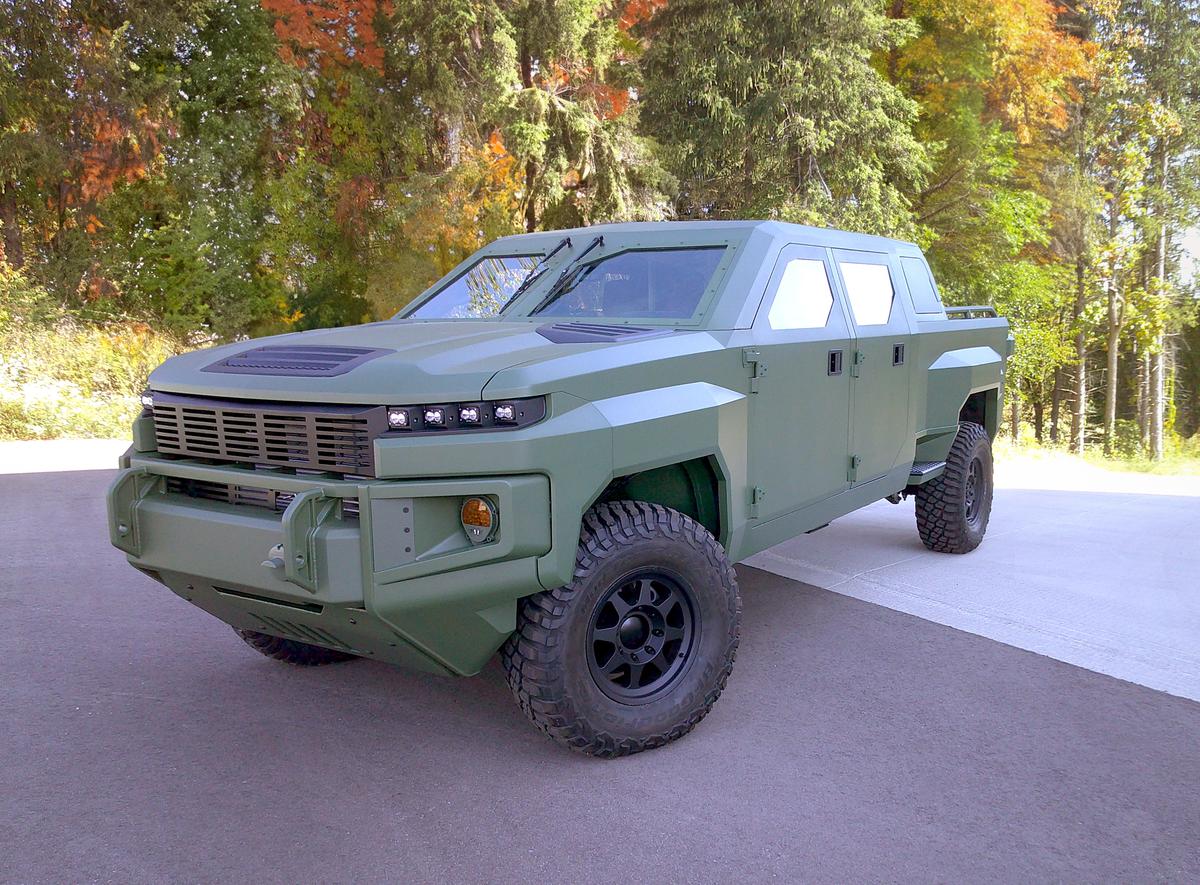
- •Built on Chevrolet Silverado 3500 HD; weighs ~9,000 lb more, seats 2‑6
Pulse Analysis
The Army’s decision to field a hybrid‑electric Infantry Squad Vehicle reflects a wider modernization drive that prioritizes energy resilience on the battlefield. Traditional forward‑area generators are vulnerable and logistically costly; a mobile platform that can generate and export 60 kW of DC power, plus auxiliary 28 V and 120 V outputs, lets squads power communications, sensors, and even drone launch systems without a fixed power hub. This capability aligns with the Department of Defense’s emphasis on distributed operations and reduces the footprint needed to sustain high‑tempo missions in contested zones.
Technically, the ISV‑Heavy leverages the commercial Chevrolet Silverado 3500 HD chassis, adding roughly 9,000 lb to the baseline vehicle and reconfiguring the interior for two to six occupants. While the reduced troop capacity limits pure transport utility, the trade‑off delivers silent‑drive and silent‑watch modes that enable stealthy ingress and egress—critical for high‑threat environments. The vehicle’s power‑export architecture also supports command‑and‑control nodes, medical evacuation equipment, and loitering‑munition launchers, turning the ISV‑Heavy into a multifunctional battlefield asset rather than a simple carrier.
For industry, the three‑contract solicitation opens a competitive window for defense contractors specializing in hybrid powertrains, ruggedized electronics, and vehicle integration. The partnership with GM Defense underscores the growing reliance on commercial off‑the‑shelf platforms to accelerate fielding timelines and contain costs. As the Army moves toward the next procurement phases, the ISV‑Heavy could set a precedent for future mobile energy solutions, influencing how the services think about vehicle‑centric power generation and the broader shift toward electrified, network‑centric warfare.
US Army eyes a heavier, hybrid-powered Infantry Squad Vehicle
Comments
Want to join the conversation?
Loading comments...