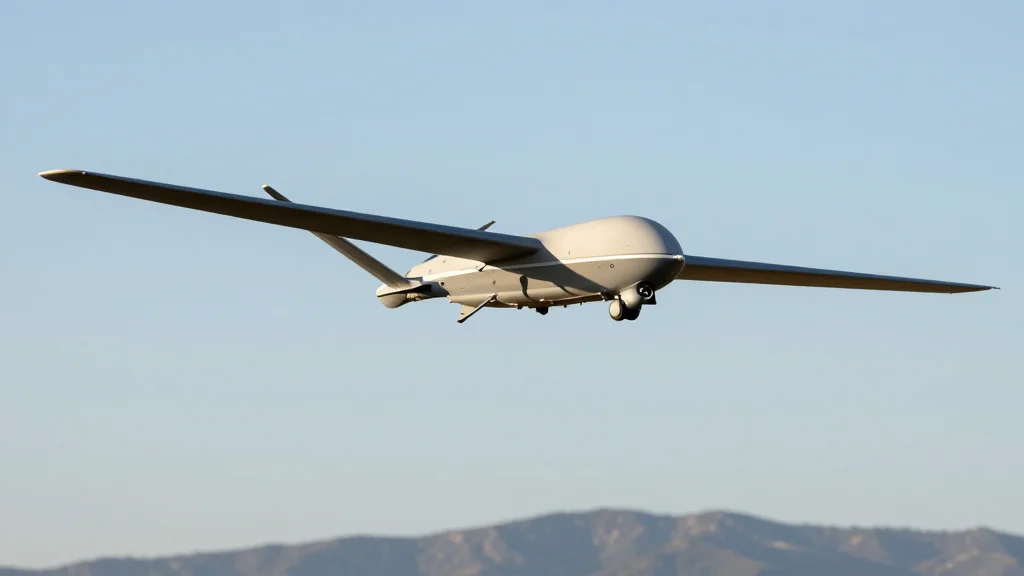
U.S. Army Grants Northrop Grumman $325.5 Million for RangeHawk Hypersonic Test Drone

Companies Mentioned
Why It Matters
RangeHawk provides the Army with a reusable, high‑altitude platform that can capture the high‑fidelity data required to validate hypersonic missile performance, a capability that has been a critical gap in U.S. testing infrastructure. By reducing dependence on sea‑based instrumentation, the program cuts logistical costs and accelerates the development timeline for weapons that are central to the Pentagon’s strategy to counter peer adversaries with advanced missile defenses. The modular payload architecture also sets a precedent for future test assets across services, encouraging a common, interoperable approach to data collection that could streamline joint hypersonic programs and foster industry innovation in sensor and communications technologies.
Key Takeaways
- •$325.5 million contract awarded to Northrop Grumman for the RangeHawk drone.
- •RangeHawk is based on the RQ‑4 Global Hawk, offering 34+ hours endurance and 60,000‑foot ceiling.
- •Modular payload system enables rapid reconfiguration for different hypersonic programs.
- •Contract runs through 2031, with first operational units expected by late 2027.
- •Supports Army’s SkyRange architecture and reduces reliance on ship‑based test instrumentation.
Pulse Analysis
The RangeHawk award marks a strategic pivot from static, sea‑based telemetry toward a flexible, airborne testing ecosystem. Historically, hypersonic test campaigns have been constrained by the time‑intensive logistics of positioning instrumented vessels, which can delay critical data collection and inflate program costs. By embedding a modular sensor suite on a proven HALE platform, the Army not only accelerates data turnaround but also creates a reusable asset that can be repurposed across multiple missile families. This approach mirrors commercial aerospace trends where common airframes host interchangeable payloads, driving down per‑mission expenses.
From a market perspective, the contract reinforces Northrop Grumman’s dominance in high‑altitude ISR platforms while opening opportunities for niche suppliers of telemetry and phased‑array technologies. Companies that can deliver plug‑and‑play sensor modules stand to benefit from the Army’s emphasis on rapid integration. Moreover, the partnership with AeroVironment on the PANTHER system suggests a broader supply chain ecosystem that could see increased defense spending on advanced antenna and data‑fusion capabilities.
Looking ahead, the success of RangeHawk could influence how other services structure their hypersonic test programs. If the modular, airborne model proves cost‑effective and delivers the required data fidelity, the Air Force and Navy may adopt similar architectures, fostering inter‑service standardization. Such a shift would not only streamline acquisition but also enhance joint operational readiness as the United States seeks to field a cohesive hypersonic deterrent against near‑peer competitors.
U.S. Army Grants Northrop Grumman $325.5 Million for RangeHawk Hypersonic Test Drone
Comments
Want to join the conversation?
Loading comments...