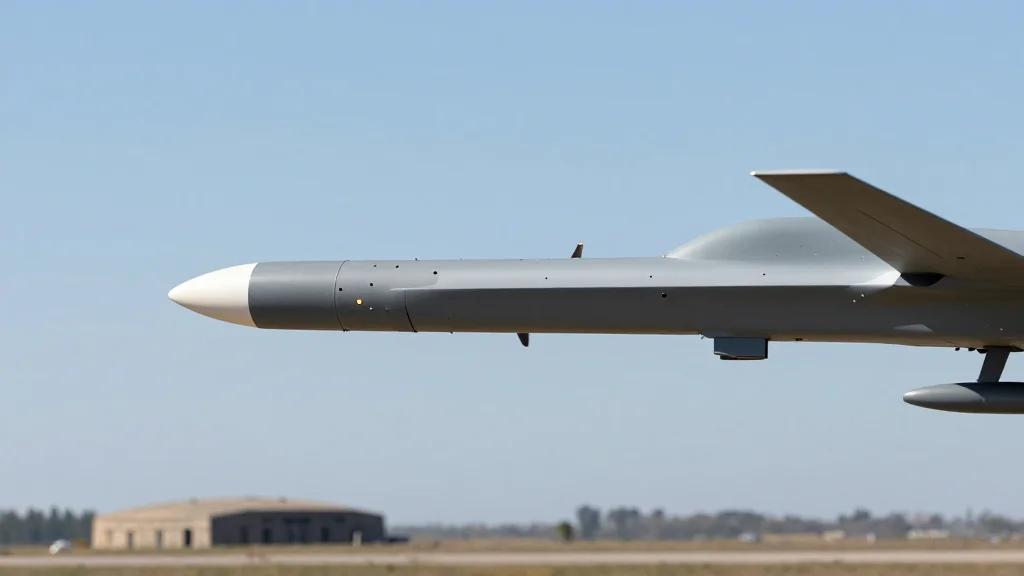
US Army Successfully Tests Drone-Delivered Bunker Busting Warhead
Why It Matters
BRAKER gives the Army a fast‑to‑field capability to strike hardened targets with small drones, reshaping close‑combat lethality and reducing the logistical footprint of heavy artillery.
Key Takeaways
- •BRAKER warhead successfully detonated from drone on March 26
- •Developed in two weeks from concept to live fire
- •Uses 3‑D printed components for rapid prototyping
- •Integrated with Picatinny CLIK for universal drone payloads
- •Enables small UAS to destroy fortified targets
Pulse Analysis
Drone‑delivered munitions have moved from niche experiments to a core element of modern warfare, driven by the need for precision strikes against entrenched positions without exposing crews to direct fire. The BRAKER program illustrates this shift, leveraging additive manufacturing to compress a traditionally year‑long development cycle into a fortnight. By 3‑D printing the warhead’s casing and explosive charge, engineers could iterate designs rapidly, test fit with multiple drone platforms, and field a functional prototype in record time, underscoring the Army’s push for agile acquisition.
The integration of BRAKER with the Picatinny Common Lethality Integration Kit (CLIK) is a pivotal step toward standardizing payloads across the Army’s growing fleet of small unmanned aerial systems. CLIK provides a plug‑and‑play interface that abstracts the mechanical and electronic requirements of diverse drones, allowing industry partners to scale production without bespoke modifications for each platform. This modularity not only accelerates fielding but also opens a commercial pathway for defense contractors to supply lethal payloads, potentially lowering costs and fostering innovation through competition.
Strategically, the ability to launch bunker‑busting warheads from lightweight drones expands the tactical toolbox for infantry units, enabling rapid neutralization of enemy fortifications in urban or mountainous terrain where traditional artillery is impractical. The rapid‑prototype model demonstrated by BRAKER could become a template for future munition programs, emphasizing speed, adaptability, and integration with autonomous systems. As peer adversaries invest heavily in anti‑access/area‑denial capabilities, the Army’s focus on agile, drone‑borne lethality may prove decisive in maintaining battlefield superiority.
US Army successfully tests drone-delivered bunker busting warhead
Comments
Want to join the conversation?
Loading comments...