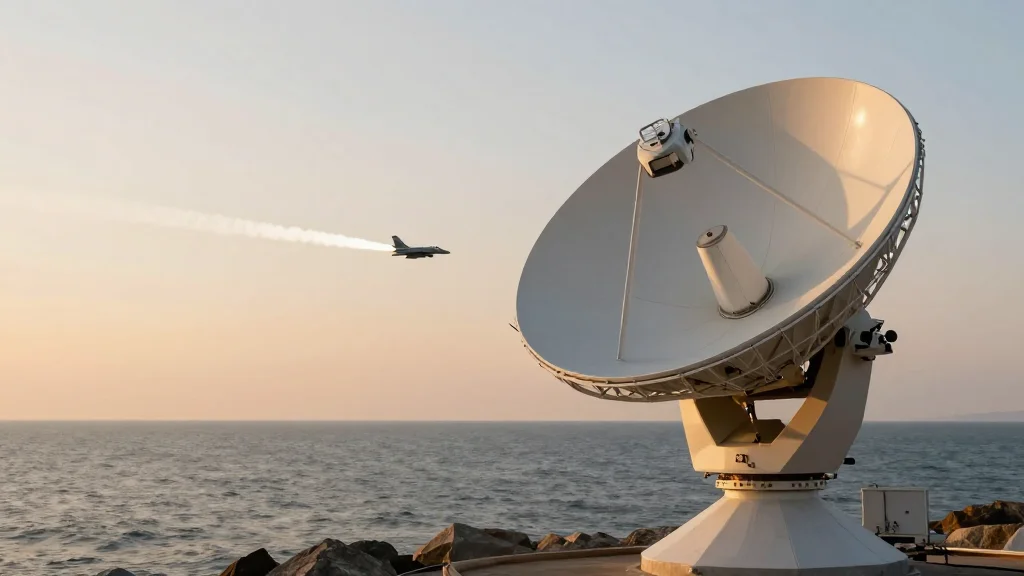
US Attacks Iranian Sites After Iran Launches Drones, in Latest Gulf Flare-Up
Why It Matters
The escalation threatens a critical chokepoint for world oil supplies and undermines fragile diplomatic efforts to end the three‑month conflict, raising geopolitical and economic stakes for the global market.
Key Takeaways
- •US hit Iranian radar sites on Qeshm and Goruk islands.
- •Iran launched four drones, claiming to target tankers in Strait of Hormuz.
- •Six Iranian missiles intercepted; one reached a US base.
- •Oil prices rise as Strait blockage threatens 20% of world oil flow.
- •Trump says only ~20% of Iran’s missiles remain functional.
Pulse Analysis
The latest U.S. strike on Iranian surveillance sites underscores how quickly the Gulf confrontation can flare into direct combat. By targeting radar arrays on Qeshm and Goruk islands, Washington aimed to blunt Iran’s ability to coordinate drone and missile attacks on shipping lanes. Iran’s retaliatory missile launch, partially successful, signals its willingness to test U.S. defenses despite earlier losses, keeping the Strait of Hormuz—a conduit for roughly 20% of global oil—under constant threat.
Energy markets have already felt the tremor. Futures for Brent and WTI crude spiked as traders priced in potential disruptions to the narrow waterway. The conflict also compounds existing sanctions pressure on Tehran, with the U.S. demanding the unfreeze of $24 billion in Iranian assets as a precondition for any cease‑fire. Domestically, President Trump’s administration wrestles with rising gasoline prices that are eroding public support for the war, while the administration’s narrative downplays Iran’s remaining missile capability to justify continued military pressure.
Beyond the immediate U.S.-Iran clash, the region’s volatility widens. Hezbollah’s renewed attacks on Israeli forces in southern Lebanon and Israel’s steadfast response add another layer of risk, as Tehran leverages its Lebanese proxy to pressure Washington. The overlapping cease‑fire arrangements—some brokered by the U.S., others by regional actors—remain fragile, and any misstep could draw additional state and non‑state actors into the fray. Analysts caution that without a credible diplomatic pathway, the Gulf could become a protracted theater of intermittent strikes, further destabilizing global supply chains.
US attacks Iranian sites after Iran launches drones, in latest Gulf flare-up
Comments
Want to join the conversation?
Loading comments...