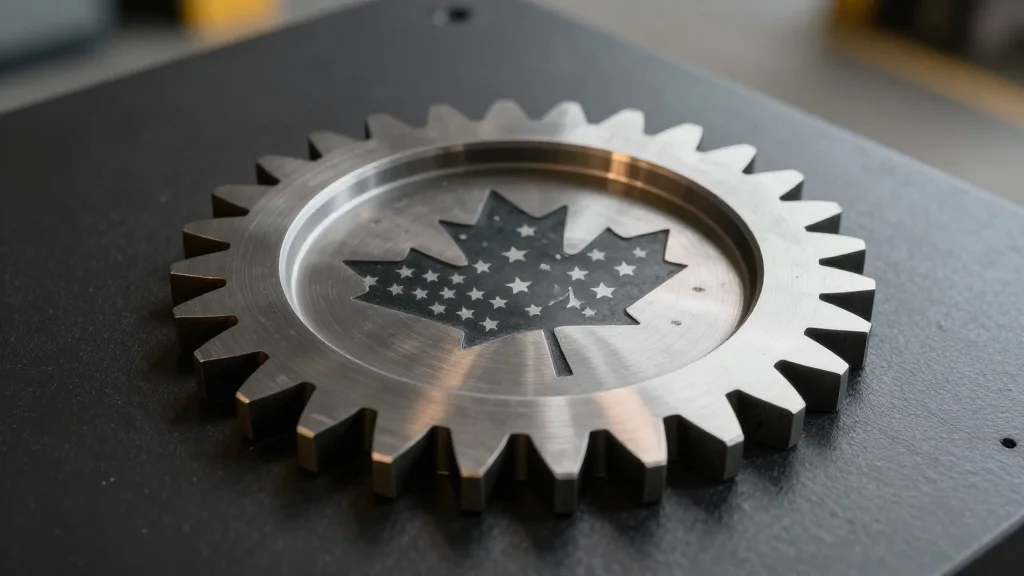
U.S., Canada Commit to Joint Revamp of Defense Industrial Bases

Why It Matters
Rebuilding the defense industrial base is central to North American security strategy. A more self‑sufficient supply chain reduces the risk of production delays during crises and limits adversarial leverage over critical materials. By aligning policy tools, the United States and Canada can pool resources, attract private investment and create a competitive domestic market that challenges China’s dominance in defense supply chains. The initiative also signals to allies and industry that the U.S. and Canada are committed to a long‑term, government‑backed industrial policy. This could encourage other partners to adopt similar models, fostering a broader coalition of resilient defense supply networks.
Key Takeaways
- •U.S. and Canada pair Defense Production Act tools with Canada’s Defence Investment Agency
- •Joint effort targets reduction of reliance on Chinese critical minerals and components
- •Policy mix includes loans, direct equity stakes and private‑capital incentives
- •Risk of duplicated investments and competition for skilled labor highlighted
- •Co‑production clauses and a joint roadmap to be released by fiscal year‑end
Pulse Analysis
The bilateral push marks a departure from the post‑Cold War reliance on market forces alone to sustain defense manufacturing. Historically, the U.S. has used the Defense Production Act sporadically, but the current scale—combining direct equity participation with expansive loan programs—suggests a more proactive stance. Canada’s "build‑partner‑buy" approach mirrors European models that blend public funding with private execution, indicating a convergence of transatlantic industrial policy thinking.
If the partnership succeeds, it could create a North American defense supply hub capable of rapid scaling in wartime, similar to the wartime mobilization of the 1940s but with modern financial instruments. However, the success hinges on early coordination; misaligned procurement schedules or competing subsidies could fragment the market, eroding the intended economies of scale. The initiative also raises questions about how smaller suppliers will navigate increased government involvement without being squeezed out by larger incumbents.
Looking ahead, the real test will be the first set of contracts that embed co‑production requirements. Those projects will reveal whether the policy tools can translate into tangible production capacity and whether the alliance can effectively counter China’s strategic leverage over critical defense inputs.
U.S., Canada Commit to Joint Revamp of Defense Industrial Bases
Comments
Want to join the conversation?
Loading comments...