Why It Matters
The strikes underscore escalating military tension while diplomatic channels remain open, affecting regional security and global oil markets.
Key Takeaways
- •US struck Iranian site threatening Strait of Hormuz traffic
- •Multiple Iranian drones were intercepted and shot down
- •Targets included mine‑laying boats and missile launch installations
- •Strikes occurred amid cease‑fire talks after three‑month war
- •President Trump affirmed Hormuz will stay open for shipping
Pulse Analysis
The conflict that erupted on Feb. 28, when U.S. and Israeli forces launched coordinated attacks on Iranian targets, has quickly become a flashpoint for global energy stability. The Strait of Hormuz, a chokepoint through which roughly a fifth of the world’s oil passes, has seen heightened naval activity and heightened risk assessments from shipping firms. Rising oil prices have already reflected investors’ concerns about supply disruptions, prompting governments and markets to monitor every military move in the region.
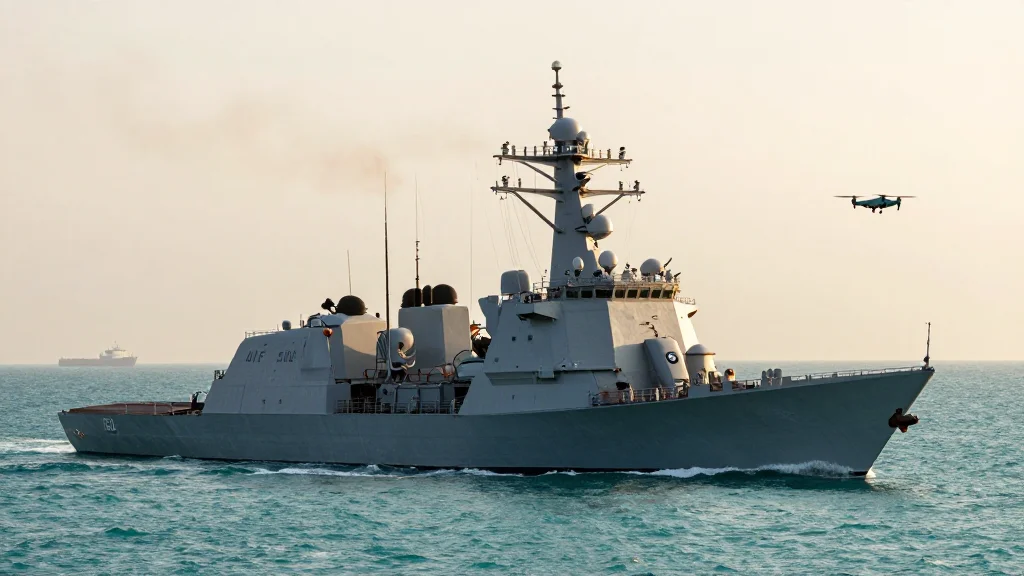
In the latest development, U.S. forces carried out precision strikes on an Iranian military installation identified as a direct threat to American troops and commercial traffic. Simultaneously, multiple Iranian drones were detected and shot down, preventing potential attacks on vessels navigating the narrow waterway. The targets—mine‑laying boats and missile launch sites—suggest Tehran is attempting to weaponize the strait, a tactic that could force commercial ships to reroute, increasing freight costs. The timing aligns with ongoing cease‑fire negotiations, indicating Washington is leveraging kinetic action to shape diplomatic leverage while maintaining a narrative of defensive self‑protection.
The broader implications are significant. By asserting control over the strait, the United States aims to keep oil flow uninterrupted, a priority for both domestic energy security and global markets. However, each strike raises the risk of retaliation, potentially spiraling into a wider confrontation that could further destabilize oil prices. President Trump’s public dismissal of an Iran‑Oman joint shipping proposal reinforces a hard‑line stance, signaling to allies and adversaries alike that the U.S. will not concede strategic maritime corridors. Stakeholders—from energy traders to multinational logistics firms—must therefore factor both the immediate military actions and the evolving diplomatic landscape into their risk assessments.
US Carries Out New Strikes on Iran
Comments
Want to join the conversation?
Loading comments...