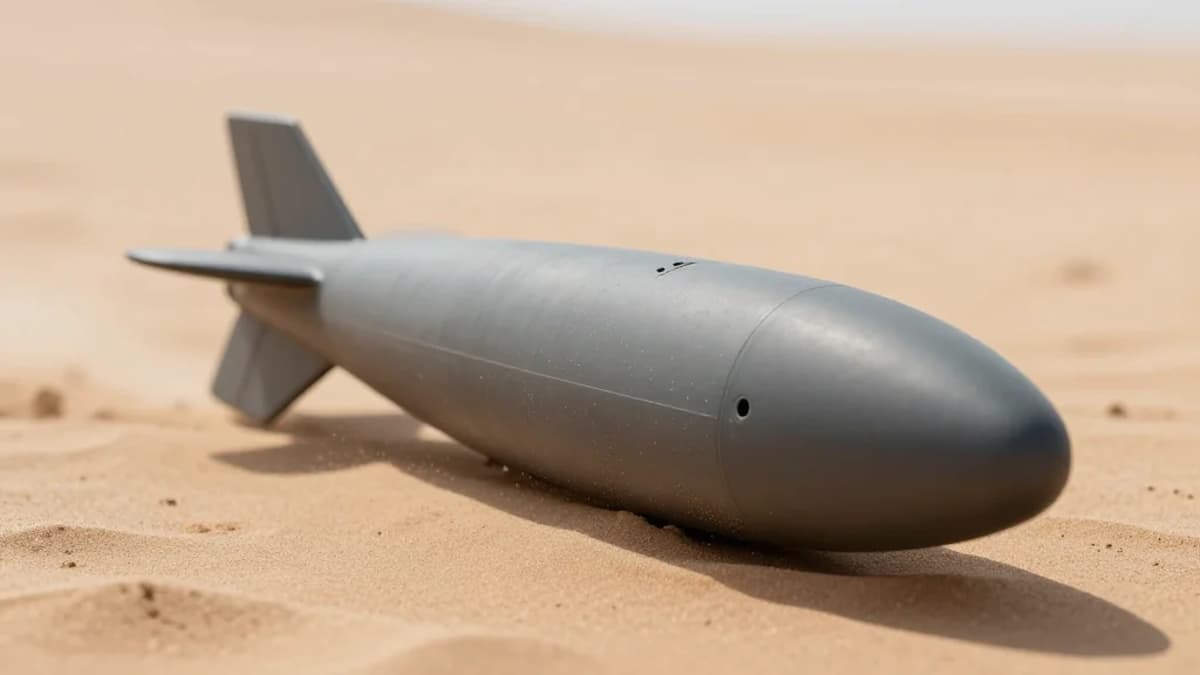
U.S. Conducts Strikes on More Than 30 ISIS Targets in Syria
•February 16, 2026
0
Why It Matters
The attacks degrade ISIS’s operational capacity, reinforcing U.S. commitment to regional stability and deterring terrorist resurgence. They also signal to allies and adversaries that American air power remains a decisive tool in counter‑terrorism.
Key Takeaways
- •Over 30 ISIS sites hit across eastern Syria.
- •Strikes used precision air assets, minimizing civilian casualties.
- •Operation supports Syrian Democratic Forces' ground offensive.
- •Demonstrates U.S. commitment to degrading ISIS capabilities.
- •May influence regional power dynamics with Russia and Iran.
Pulse Analysis
The February 2026 strikes underscore a renewed American focus on eradicating ISIS remnants that have exploited power vacuums in Syria’s northeast. After the group’s territorial defeat in 2019, it has shifted to insurgent tactics, rebuilding training facilities and stockpiling weapons. U.S. policymakers, citing intelligence on imminent threats, authorized a targeted air campaign to disrupt these networks before they can launch large‑scale attacks. This approach aligns with the broader U.S. strategy of using precision strikes to complement on‑the‑ground partners, thereby reducing the need for large troop deployments.
Operationally, the missions leveraged advanced ISR platforms and precision‑guided munitions, allowing forces to strike high‑value targets while adhering to strict rules of engagement designed to protect civilians. Coordination with the Syrian Democratic Forces ensured that strike locations were vetted and that post‑strike assessments could be quickly conducted. Early reports indicate a significant degradation of ISIS’s logistics chains, with several weapons caches and training sites destroyed. Such outcomes not only diminish the group’s immediate combat capabilities but also hamper its recruitment narrative, which often hinges on portraying strength and resilience.
Strategically, the strikes send a clear message to regional actors, including Russia and Iran, about the United States’ willingness to act unilaterally when counter‑terrorism interests are at stake. While diplomatic channels remain essential, the demonstration of decisive air power reinforces U.S. credibility among allies and deters adversaries from providing tacit support to extremist groups. Looking ahead, sustained pressure on ISIS cells, combined with political solutions for Syria’s fragmented landscape, will be crucial to preventing a resurgence that could destabilize the broader Middle East.
U.S. Conducts Strikes on More Than 30 ISIS Targets in Syria
0
Comments
Want to join the conversation?
Loading comments...