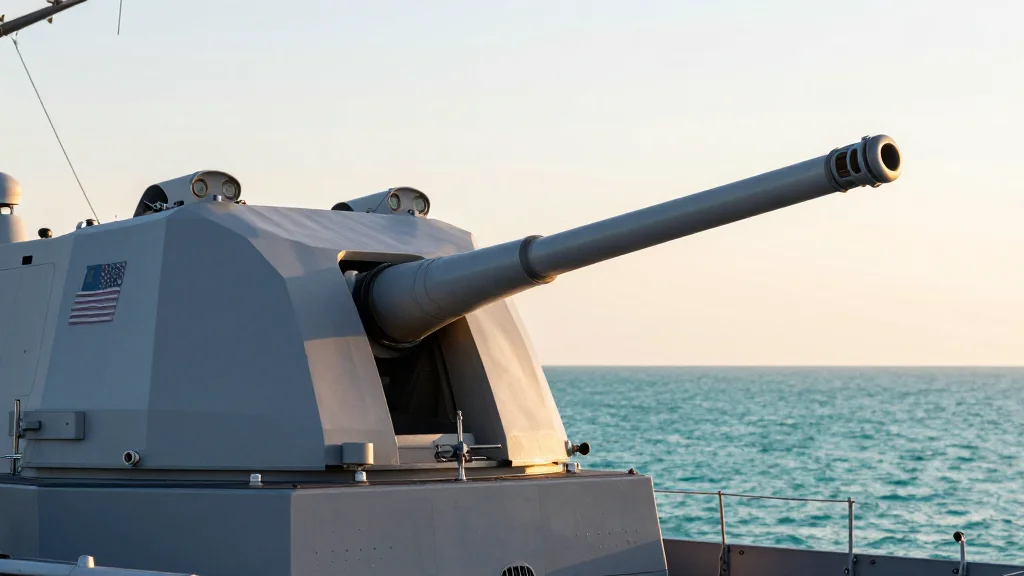
US Confirms Strikes on Iranian Boats and Missile Launch Sites
Why It Matters
The engagement raises the risk of a broader conflict in the world’s most vital oil chokepoint, threatening energy prices and supply stability. It also tests the credibility and limits of the U.S. blockade policy in the region.
Key Takeaways
- •US struck Iranian boats and missile sites in southern Iran
- •Iran claims to have downed a US MQ‑9 drone and repelled aircraft
- •Blockade has redirected 100 commercial vessels since April 13
- •Over 15,000 US personnel involved in enforcing maritime restrictions
- •Tensions in Strait of Hormuz could disrupt global oil flow
Pulse Analysis
The Strait of Hormuz remains a strategic flashpoint, funneling roughly a fifth of global oil shipments daily. U.S. forces have intensified a maritime blockade that began in April, aiming to deter Iran’s ability to move war materiel through its ports. By redirecting commercial traffic and disabling vessels deemed hostile, Washington seeks to pressure Tehran without escalating to full‑scale war, yet each kinetic encounter adds volatility to an already fragile security environment.
The latest strikes illustrate a sharpening of U.S. rules of engagement. After surveillance identified Iranian boats laying mines and a missile battery targeting American aircraft, Centcom deployed a UH‑1Y Venom helicopter to neutralize the threats. Tehran’s IRGC, meanwhile, announced the downing of an MQ‑9 drone and the forced retreat of an F‑35, framing the episode as a defensive response to unlawful airspace incursions. These opposing narratives underscore the difficulty of establishing clear boundaries in a contested maritime domain where both sides possess advanced aerial and naval capabilities.
For markets and policymakers, the escalation carries tangible risks. Any disruption in Hormuz could spike crude prices, prompting investors to reassess supply‑risk premiums. Diplomatically, the incidents pressure allies to mediate, while also testing the resolve of U.S. allies in the Gulf who rely on the waterway for trade. Continued U.S. presence, combined with Iran’s willingness to contest air and sea operations, suggests a protracted standoff that may compel both capitals to explore de‑escalation channels before the choke point’s stability is compromised.
US confirms strikes on Iranian boats and missile launch sites
Comments
Want to join the conversation?
Loading comments...