Companies Mentioned
Why It Matters
Enabling at‑sea VLS reloading could keep U.S. warships in the fight longer, bolstering deterrence against rising naval threats in the Pacific and reshaping logistics planning.
Key Takeaways
- •House Armed Services Committee requests Navy briefing on at‑sea VLS reloading.
- •At‑sea reload could keep destroyers fighting longer in contested Indo‑Pacific.
- •2024 test on USS Chosin demonstrated transferable reloading mechanism at sea.
- •JHU Applied Physics Lab redesigns Cold‑War VLS reload concept for modern fleets.
- •Budget documents earmark funding for testing VLS, torpedo and missile sea reloads.
Pulse Analysis
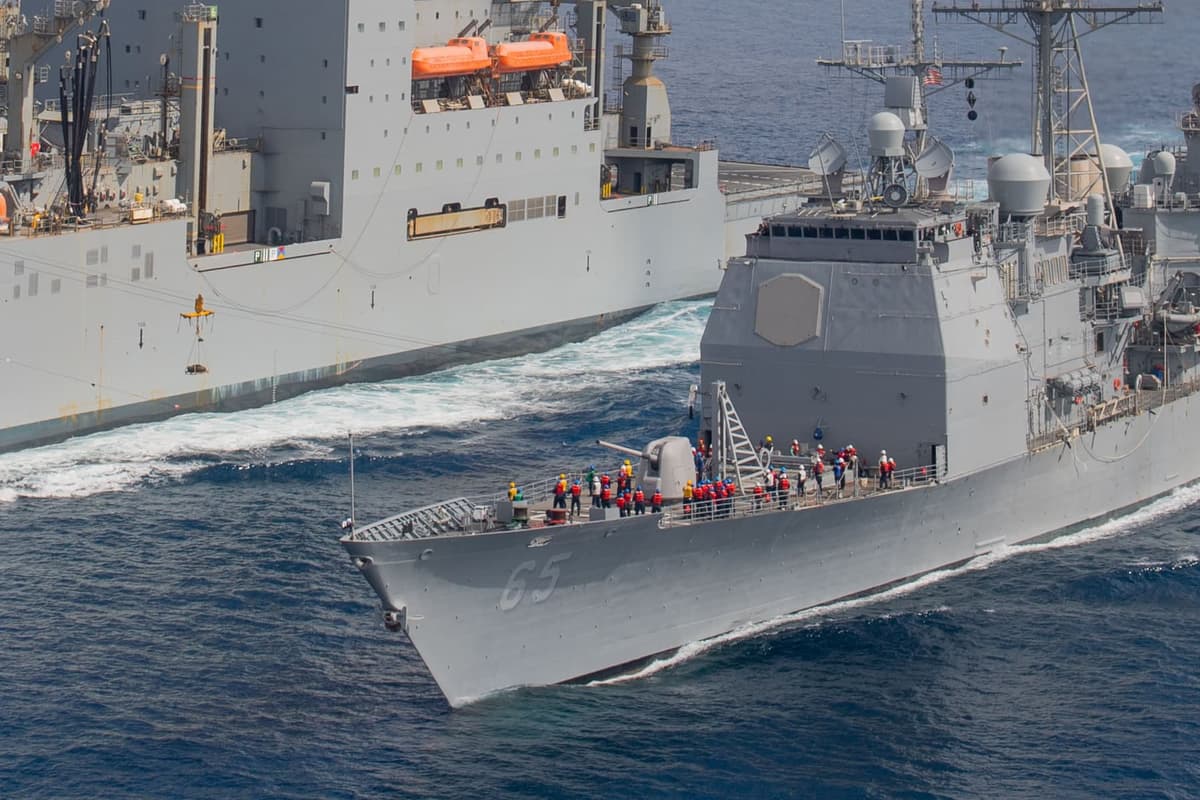
The United States Navy is revisiting a Cold‑War era idea—reloading vertical launching system (VLS) cells while a ship remains underway—to address a growing strategic gap in the Indo‑Pacific. As Chinese and other regional naval forces expand their missile arsenals, U.S. guided‑missile destroyers risk losing combat endurance when forced to return to distant ports for lengthy reloads of their 96‑to‑112 missile cells. An at‑sea capability would let warships sustain firepower in contested waters, reducing logistical vulnerability and enhancing expeditionary presence across the Pacific theater.
The concept dates back to the late 1980s, when the Navy fielded the Transferrable Reloading Mechanism (TRAM) for ship‑to‑ship missile canister exchange. After decades of dormancy, the program resurfaced in 2024 when USS Chosin successfully executed an underway TRAM reload off San Diego, proving the mechanical feasibility of moving a 7‑ton canister between vessels. Johns Hopkins Applied Physics Laboratory is now modernizing the design, integrating autonomous handling, advanced robotics and digital risk analysis to meet today’s higher‑speed, higher‑threat environment. Yet challenges remain in safety certification, crew training and integration with existing replenishment ships.
Congressional interest crystallized in the FY‑2027 National Defense Authorization Act, where the House Armed Services Committee mandated a briefing on the Navy’s at‑sea VLS reloading roadmap. The request emphasizes near‑term, expeditionary solutions that can leverage current platforms, signaling lawmakers’ desire for rapid capability delivery without awaiting new ship classes. Funding earmarked in recent budget documents will support further trials, including simultaneous reloads of multiple magazines and extensions to torpedoes and anti‑ship missiles. Successful implementation could reshape naval logistics, influencing future procurement decisions and reinforcing U.S. deterrence in a contested maritime domain.
U.S. Congress Wants to Review At-Sea VLS Reloading Plans
Comments
Want to join the conversation?
Loading comments...