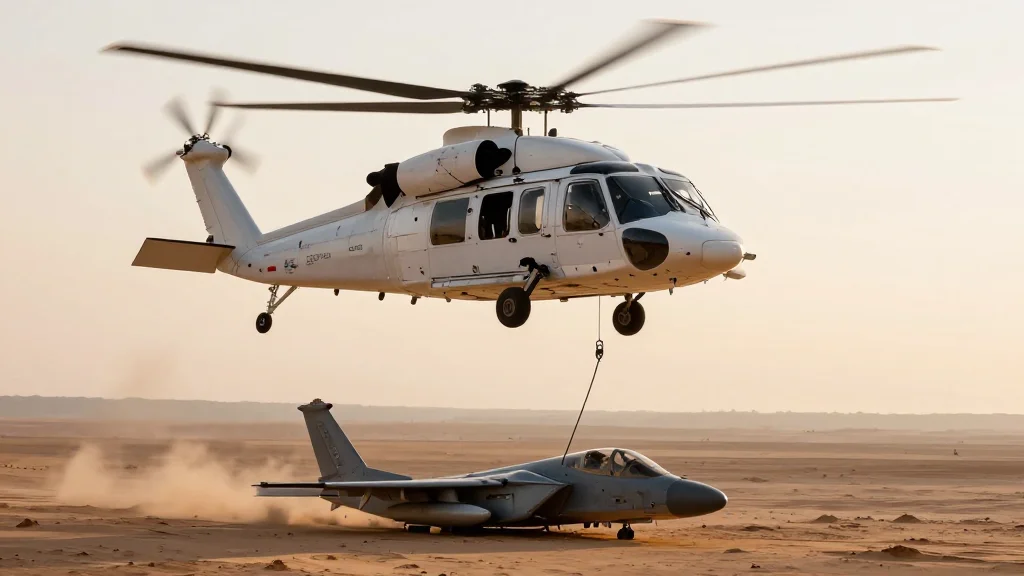
US Continues Strikes Into Iran After Successful Rescue of F-15E Aircrew
Why It Matters
The rescue showcases U.S. capability to recover personnel in hostile territory while ongoing strikes signal escalating military pressure on Iran, potentially reshaping regional security dynamics.
Key Takeaways
- •F‑15E shot down over Iran on April 2
- •Two service members rescued in separate missions April 4
- •U.S. strikes continue targeting Iranian power projection
- •Operation Epic Fury aims to degrade Iran’s regional influence
Pulse Analysis
The downing of a U.S. F‑15E over Iranian airspace on April 2 marks the latest flashpoint in a relationship that has grown increasingly hostile since the 2023 nuclear negotiations collapsed. Tehran’s decision to engage a high‑performance fighter reflects a willingness to confront U.S. assets directly, raising concerns among Washington and its allies about the risk of broader escalation. Analysts note that the incident follows a series of proxy confrontations in the Strait of Hormuz and underscores the fragile balance between deterrence and direct conflict in the Middle East.
U.S. Central Command launched two rapid‑response rescue missions, extracting the pilot and weapons systems officer on April 4 under the codename Operation Epic Fury. The operations leveraged advanced ISR platforms, night‑vision equipment, and coordinated air‑ground teams to navigate hostile terrain and avoid Iranian air defenses. Successful recovery of both service members not only preserves critical human capital but also sends a clear message that the United States can project power and protect its personnel even deep within adversary territory. The missions demonstrate refined joint‑force interoperability honed over recent conflicts.
While the rescues concluded, U.S. strikes into Iran have persisted, targeting missile sites, command‑and‑control nodes, and logistics hubs linked to Tehran’s regional ambitions. These kinetic actions aim to degrade Iran’s capacity to support proxy militias in Iraq, Syria, and Yemen, thereby limiting its ability to destabilize the Gulf. However, sustained bombardment risks provoking retaliatory attacks on U.S. bases and commercial shipping, potentially drawing NATO partners into a wider confrontation. Policymakers must weigh the immediate tactical gains against long‑term diplomatic costs as they navigate a volatile security environment.
US continues strikes into Iran after successful rescue of F-15E Aircrew
Comments
Want to join the conversation?
Loading comments...