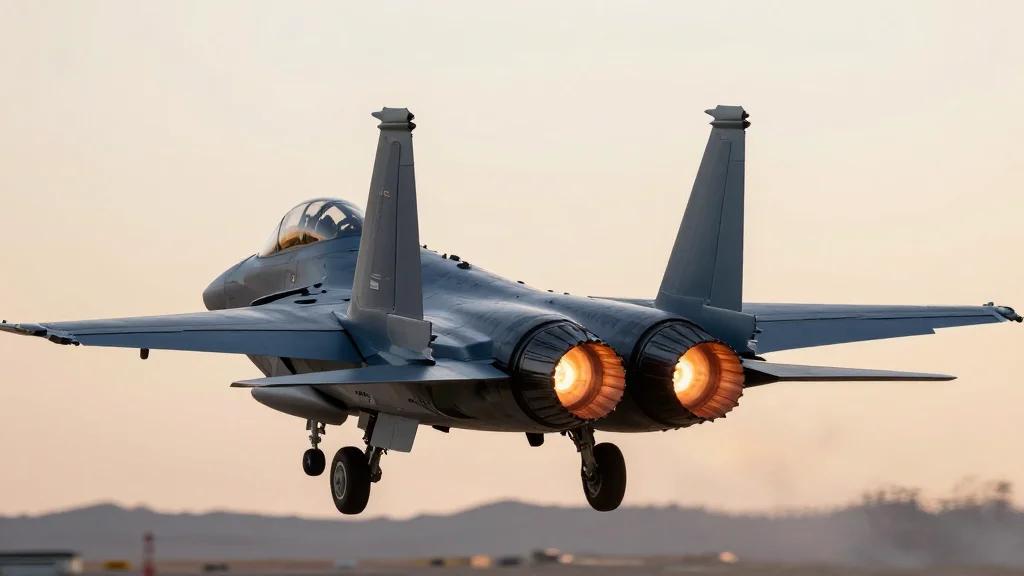
US Continues Strikes Into Iran After Successful Rescue of F-15E Aircrew
Why It Matters
The operation demonstrates Washington’s willingness to use force to protect its personnel and to signal deterrence against Iranian aggression, raising the risk of broader escalation in a volatile region.
Key Takeaways
- •Rescue freed F‑15E crew after hours of covert effort
- •U.S. airstrikes targeted Iranian command‑and‑control sites
- •First direct U.S. kinetic action on Iranian territory since 2020
- •Operation underscores U.S. deterrence posture in Middle East
Pulse Analysis
The rescue of the F‑15E crew underscores the growing complexity of U.S. operations in the Middle East, where American aircraft frequently conduct missions over contested airspace in Syria and Iraq. Special‑operations teams leveraged intelligence from regional allies and employed rapid‑insertion tactics to extract the airmen before Iranian forces could consolidate their hold. This high‑risk extraction not only saved lives but also sent a clear message that the United States retains the capability to recover personnel even deep within hostile environments.
In the wake of the rescue, the United States escalated its response with precision airstrikes against Iranian military infrastructure. Targets included radar installations, air defense batteries, and a logistics hub believed to support paramilitary groups operating against U.S. interests. By striking inside Iran, Washington crossed a red line that had previously limited direct kinetic actions to proxy territories. Analysts view the strikes as a calibrated deterrent, aiming to degrade Iran’s ability to project power while avoiding a full‑scale conflict. The move also tests the resolve of European allies and the broader coalition that has been wary of direct confrontation with Tehran.
The broader implications of these events reverberate across regional security calculations. Iran may interpret the strikes as justification for heightened asymmetric attacks, potentially increasing missile launches or cyber operations against U.S. assets. Conversely, the demonstration of rapid rescue and retaliation could deter future provocations by signaling that any aggression will be met with swift, targeted force. For policymakers, the episode highlights the delicate balance between protecting American service members and managing escalation risks in a theater where diplomatic channels remain strained. Future U.S. strategy will likely blend kinetic options with intensified diplomatic outreach to prevent the conflict from spiraling beyond controlled engagements.
US continues strikes into Iran after successful rescue of F-15E Aircrew
Comments
Want to join the conversation?
Loading comments...