U.S. Corrects F-35 Mistakes in 6th-Gen F-47 Fighter Jet with Split CCA Awards and Open Architecture
Why It Matters
The split‑buy, open‑architecture model reduces lifecycle costs and dependency on a single prime, accelerating the integration of unmanned assets into next‑gen air combat. It signals a broader shift toward more flexible, government‑owned data rights across U.S. defense programs.
Key Takeaways
- •USAF split CCA hardware contracts between General Atomics and Anduril
- •Open architecture and MOSA give government full data rights from day one
- •F-47 program avoids F-35 IP monopoly by assigning IP to government
- •Autonomy software will be sourced competitively from a pool of six vendors
- •Split‑buy strategy reduces vendor lock‑in and spreads risk across contractors
Pulse Analysis
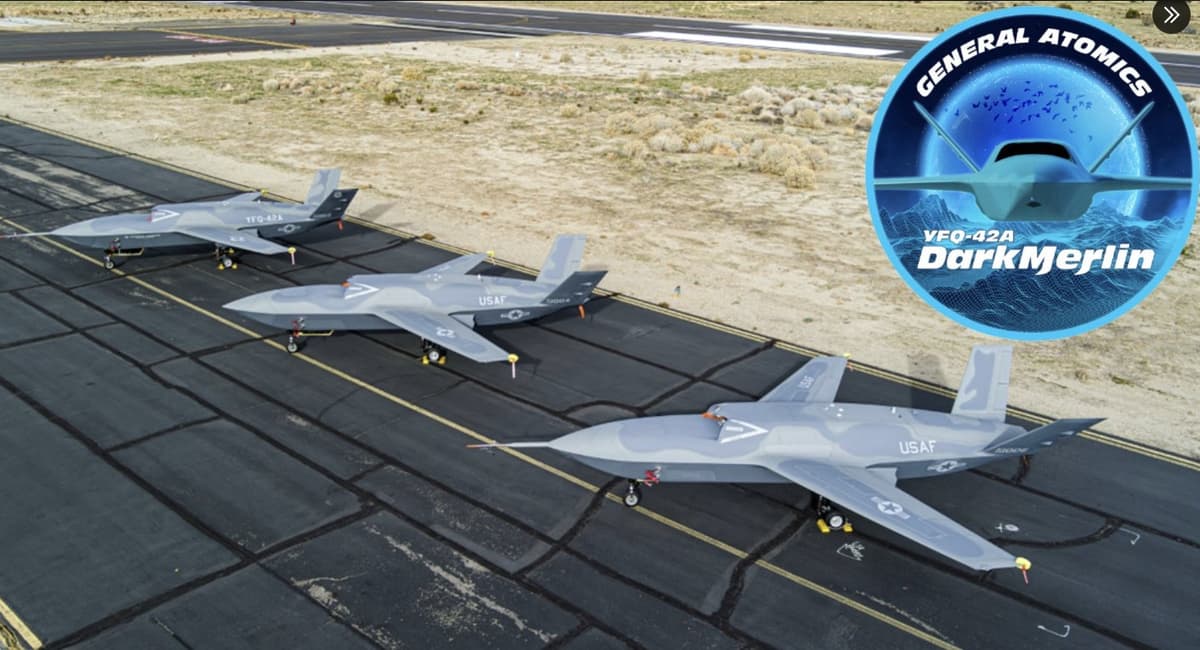
The Collaborative Combat Aircraft (CCA) initiative represents a pivotal evolution in U.S. airpower, pairing semi‑autonomous "loyal wingman" drones with manned fighters. By awarding separate hardware contracts to General Atomics for the Dark Merlin and Anduril for the Fury, the Air Force diversifies its supplier base and mitigates the risk of a single‑point failure. This split‑buy approach not only accelerates production timelines but also aligns with the Pentagon’s broader push for affordable, attritable platforms that can swarm, decoy, or augment strike missions alongside the forthcoming F‑47 sixth‑generation fighter.
Underlying this procurement shift is a hard‑earned lesson from the F‑35 Joint Strike Fighter program, which cost the government an estimated $2.1 trillion through 2088. The legacy contract’s restrictive intellectual‑property terms and premature concurrency drove up sustainment expenses and locked the service into a perpetual dependency on Lockheed Martin. In contrast, the CCA and F‑47 contracts embed a Modular Open Systems Approach (MOSA) and grant the government full data rights from day one. By separating hardware from autonomy software, the Department of Defense creates a competitive market for algorithms, ensuring that upgrades can be sourced from a vetted pool of six vendors, including Anduril, General Atomics, Lockheed Martin, Northrop Grumman, RTX Collins Aerospace, and Shield AI.
The strategic implications extend beyond cost savings. Open architecture fosters rapid innovation, allowing emerging AI firms to plug new capabilities into existing airframes without renegotiating prime contracts. Industry analysts anticipate a ripple effect, with future programs adopting similar split‑buy and MOSA frameworks to balance agility, resilience, and fiscal responsibility. For defense contractors, the new model demands greater collaboration and transparency, while for the U.S. military it promises a more adaptable, survivable air combat force capable of meeting evolving threats.
U.S. Corrects F-35 Mistakes in 6th-Gen F-47 Fighter Jet with Split CCA Awards and Open Architecture
Comments
Want to join the conversation?
Loading comments...