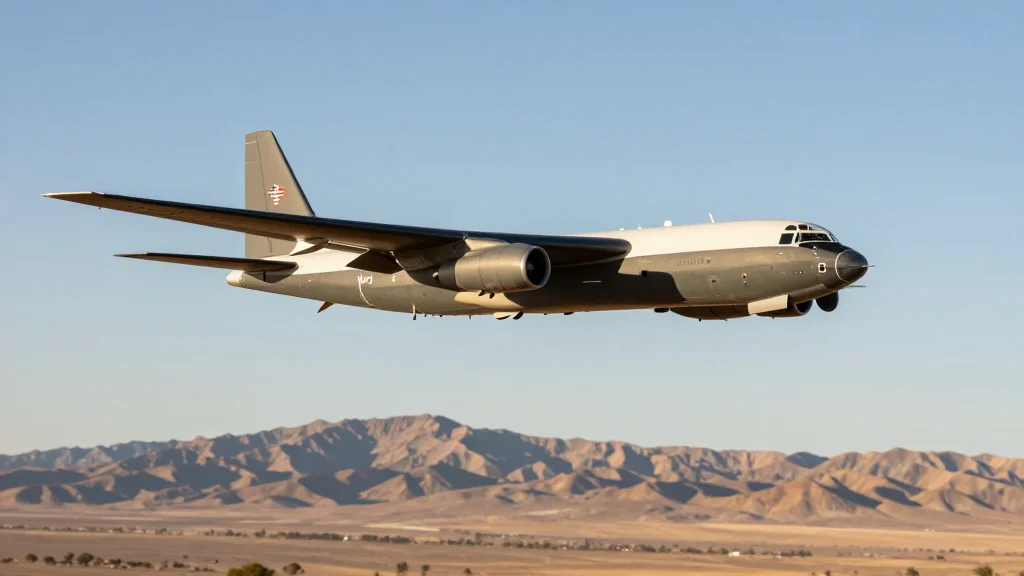
U.S. Deploys B‑52 Bombers Over Iran, Escalating Air Campaign

Why It Matters
The introduction of B‑52 bombers into Iranian airspace demonstrates that the United States now possesses the freedom to conduct sustained, high‑payload strikes deep inside an adversary’s territory, a capability that could accelerate the degradation of Iran’s nuclear and missile infrastructure. This operational freedom also raises the stakes for regional actors, who must reassess their own air‑defence postures and the risk of escalation. For the United Kingdom, the apparent reliance on its bases for U.S. offensive missions challenges the government’s public narrative of non‑involvement. The political fallout could strain UK‑US relations, complicate parliamentary oversight, and influence NATO’s collective response to Middle‑East crises. The situation highlights how legacy platforms and allied basing arrangements intersect to shape modern conflict dynamics.
Key Takeaways
- •U.S. B‑52 bombers began flying over Iran, citing “increase in air superiority,” per Gen. Dan Caine.
- •President Donald Trump claimed Iran’s air defenses are “annihilated” after 32 days of strikes.
- •B‑52s can carry up to 70,000 lb of ordnance, enabling multi‑target missions from RAF Fairford.
- •UK Prime Minister Sir Keir Starmer says Britain will not be dragged into the war, despite use of RAF Fairford and Diego Garcia.
- •Defence Secretary John Healey announced an extra 1,000 British troops and new air‑defence systems in the Gulf.
Pulse Analysis
The decision to field B‑52s over Iran reflects a calculated trade‑off between platform survivability and payload capacity. While the bomber’s lack of stealth makes it vulnerable to sophisticated radar and surface‑to‑air missiles, its ability to loiter and deliver a diverse weapons mix compensates for that risk when air superiority is already established. Historically, the U.S. has used legacy bombers in high‑intensity conflicts to sustain pressure without over‑taxing newer, more expensive assets. In this case, the move signals confidence that Iran’s integrated air‑defence network has been sufficiently degraded to permit low‑risk operations, a claim that will be tested by any resurgence of Iranian SAM activity.
The British dilemma illustrates the growing complexity of coalition warfare in the information age. Public statements denying involvement clash with observable basing activity, creating a credibility gap that opposition parties and foreign governments can exploit. This tension may force the UK to either formalize its role—potentially unlocking additional resources and political capital—or to retreat from the logistical support that underpins the U.S. campaign, risking friction with Washington.
Looking ahead, the presence of B‑52s could set a precedent for future conflicts where the U.S. seeks to combine legacy heavy bombers with stealth assets to achieve a layered strike capability. If Iran can mount an effective asymmetric response—through missile salvos, cyber attacks, or proxy forces—the cost‑benefit calculus of using slower, non‑stealth platforms may shift. Allies will need to weigh the strategic advantages of forward basing against the domestic political repercussions of being seen as active participants in a high‑profile war.
U.S. Deploys B‑52 Bombers Over Iran, Escalating Air Campaign
Comments
Want to join the conversation?
Loading comments...