US Destroys Six Iranian Small Boats, Shoots Down Missiles, Drones, Admiral Says
Why It Matters
By neutralizing low‑cost Iranian threats, the United States protects a vital chokepoint that moves roughly one‑fifth of world oil, preserving supply‑chain stability and signaling deterrence to regional adversaries.
Key Takeaways
- •Six Iranian boats destroyed by U.S. forces in Strait of Hormuz
- •U.S. intercepted Iranian cruise missiles and drones during operation
- •Operation involved 15,000 troops, destroyers, 100+ aircraft and assets
- •U.S. employs multi-layered defense instead of traditional ship escorts
- •Blockade of Iran remains active, exceeding expectations
Pulse Analysis
The Strait of Hormuz, a chokepoint through which roughly 20% of global oil passes, has long been a flashpoint between Tehran and Washington. In recent months, Iran’s Islamic Revolutionary Guard Corps (IRGC) escalated asymmetric attacks, deploying small fast‑attack craft, cruise missiles and unmanned aerial systems to threaten commercial vessels. These provocations followed a cease‑fire announced on April 8, but the lack of a verifiable truce left shipping vulnerable. The latest U.S. response underscores the strategic imperative of keeping the waterway open for international trade and energy security.
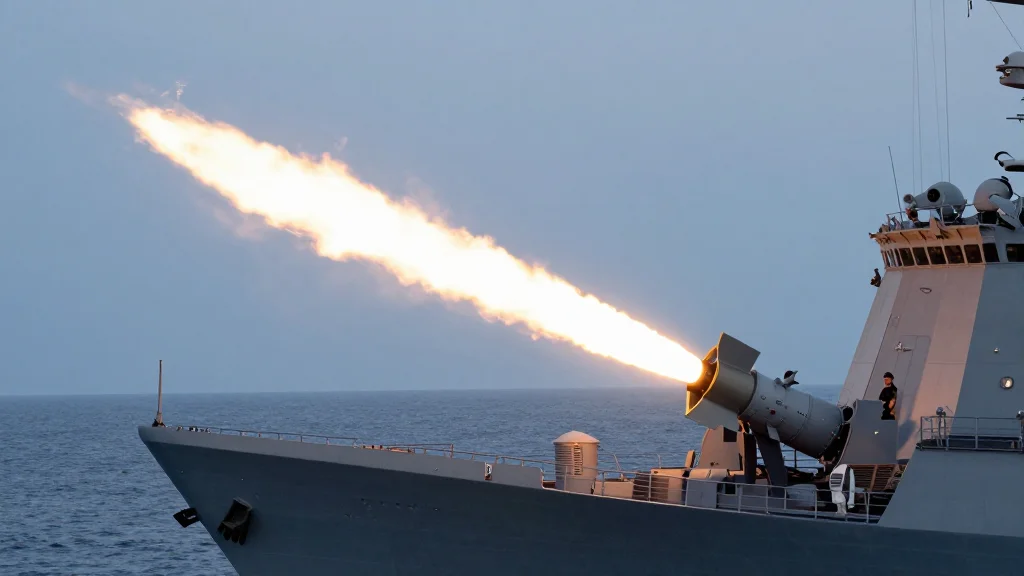
Admiral Brad Cooper detailed a massive deployment that combined 15,000 troops, multiple Navy destroyers, over 100 land‑ and sea‑based aircraft, and a suite of under‑sea platforms. Rather than assigning individual escorts, the U.S. employed a layered defense network of ships, helicopters, electronic‑warfare systems and interceptors that shot down six Iranian boats, several cruise missiles and drones. This “clinical application of defensive munitions,” as Cooper phrased it, demonstrates how modern joint forces can neutralize low‑cost threats while preserving freedom of navigation without escalating to full‑scale combat.
The engagement sends a clear signal to regional actors that the United States will defend commercial shipping, potentially deterring further IRGC aggression. However, maintaining a de‑facto blockade and conducting kinetic strikes risks inflaming diplomatic channels and could pressure global oil prices, which already react to any perceived supply disruption in the Gulf. Analysts expect Washington to balance assertive naval posturing with back‑channel negotiations, aiming to secure a durable cease‑fire while avoiding a broader conflict that could destabilize energy markets worldwide.
US destroys six Iranian small boats, shoots down missiles, drones, admiral says
Comments
Want to join the conversation?
Loading comments...