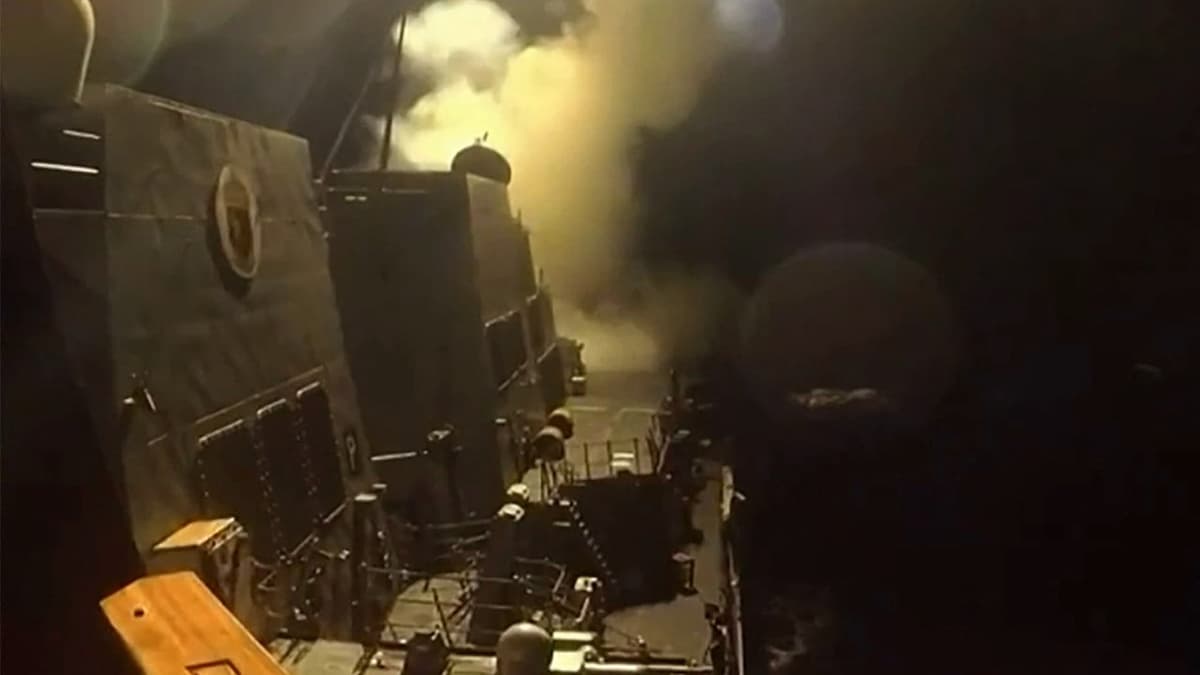
US Downs Iranian Drones in Strait of Hormuz Despite Peace Deal Progress
Why It Matters
The downing of the drones demonstrates that military tensions can flare even amid high‑level negotiations, threatening global energy flows and investor confidence. Successful de‑escalation will be pivotal for regional stability and the broader oil market.
Key Takeaways
- •US forces shot down multiple Iranian one‑way attack drones in the Strait.
- •Commercial shipping continued unimpeded despite Iranian drone attacks.
- •Pakistan‑mediated talks are 80‑85% likely to be signed soon.
- •Iran claims deal frees $24 billion; US says no cash yet.
- •Strait of Hormuz traffic control remains a key dispute in any agreement.
Pulse Analysis
The Strait of Hormuz, through which roughly 20% of the world’s oil passes, has become a flashpoint again as Iranian drones attempted to strike merchant ships. U.S. forces’ rapid response neutralized the threat, reinforcing the United States’ commitment to keep this chokepoint open. Analysts note that the ability to protect commercial traffic without escalating into broader combat is a critical metric of maritime security, especially given the heightened risk environment following months of intermittent skirmishes.
Parallel to the kinetic episode, diplomatic channels are inching toward a breakthrough. Pakistan’s Islamabad Memorandum of Understanding, now described by officials as 80‑85% likely to be finalized, aims to resolve the nuclear stalemate and address the longstanding Iranian blockade. Tehran’s public claim that the agreement will unlock $24 billion in frozen assets contrasts sharply with Washington’s stance that no funds will be released until Iran dismantles its enrichment program. This divergence highlights the delicate balance negotiators must strike between economic incentives and non‑proliferation guarantees.
For markets, the twin narratives of security and diplomacy carry weighty implications. A stable Hormuz corridor would ease supply‑chain pressures on crude and refined products, potentially tempering recent oil price volatility. Conversely, any resurgence of hostilities could reignite risk premiums, prompting investors to reassess exposure to energy and defense sectors. Stakeholders are therefore watching both the tactical drone interceptions and the high‑level peace talks as intertwined signals of the region’s near‑term trajectory.
US downs Iranian drones in Strait of Hormuz despite peace deal progress
Comments
Want to join the conversation?
Loading comments...