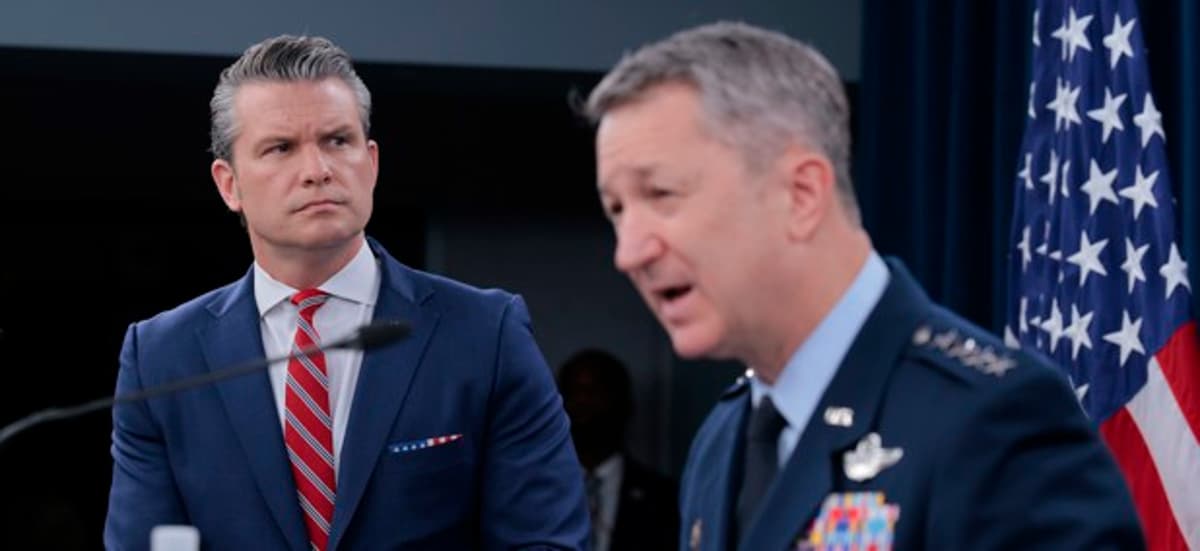
US Escort of Ships Through Hormuz Is a ‘Gift to the World,’ Hegseth Says
Why It Matters
Securing the Hormuz corridor restores a critical chokepoint for global oil and trade flows, reducing economic shockwaves and signaling U.S. resolve in a volatile region. The move also tests the legal and diplomatic limits of U.S. military action without explicit congressional authorization.
Key Takeaways
- •Project Freedom escorts began Monday, with two commercial vessels safely transited
- •Over 1,550 merchant ships remain stranded in the Gulf awaiting safe passage
- •Hegseth calls escort mission a global gift, not a U.S. priority
- •Trump administration signals possible resumption of strikes after 60‑day war‑powers deadline
Pulse Analysis
The Strait of Hormuz, a narrow passage linking the Persian Gulf to the Arabian Sea, handles roughly a fifth of the world’s petroleum shipments. Any disruption—whether from Iranian missile attacks or broader regional tensions—can instantly ripple through global energy markets, inflating prices and prompting supply‑chain realignments. Historically, the United States has maintained a naval presence there, but the escalation of hostilities in early 2026 prompted a more overt, branded operation to reassure commercial stakeholders and deter further Iranian aggression.
"Project Freedom," announced by Defense Secretary Pete Hegseth, marks a shift from covert deterrence to a visible escort regime. By deploying surface combatants, attack helicopters, and aerial surveillance, the Pentagon has created a protective corridor that, according to officials, has already shepherded two merchant vessels safely through. The messaging underscores a defensive posture, positioning the effort as a temporary, humanitarian‑type service to the international community rather than a direct U.S. strategic objective. This framing aims to mitigate domestic criticism while reinforcing the narrative that global trade, not American interests, drives the operation.
The broader implications extend beyond immediate safety. With over 1,550 ships still awaiting passage, the escort program could unlock billions of dollars in delayed trade, stabilizing oil prices and easing pressure on downstream industries. However, the legal backdrop remains contentious: the administration has cited the War Powers Resolution’s 60‑day limit, yet the ceasefire’s status and the potential for renewed strikes keep congressional oversight in the spotlight. As the U.S. balances diplomatic pressure on Iran with the need to keep the strait open, the world watches whether this "gift" will evolve into a longer‑term security commitment or a brief tactical fix.
US escort of ships through Hormuz is a ‘gift to the world,’ Hegseth says
Comments
Want to join the conversation?
Loading comments...