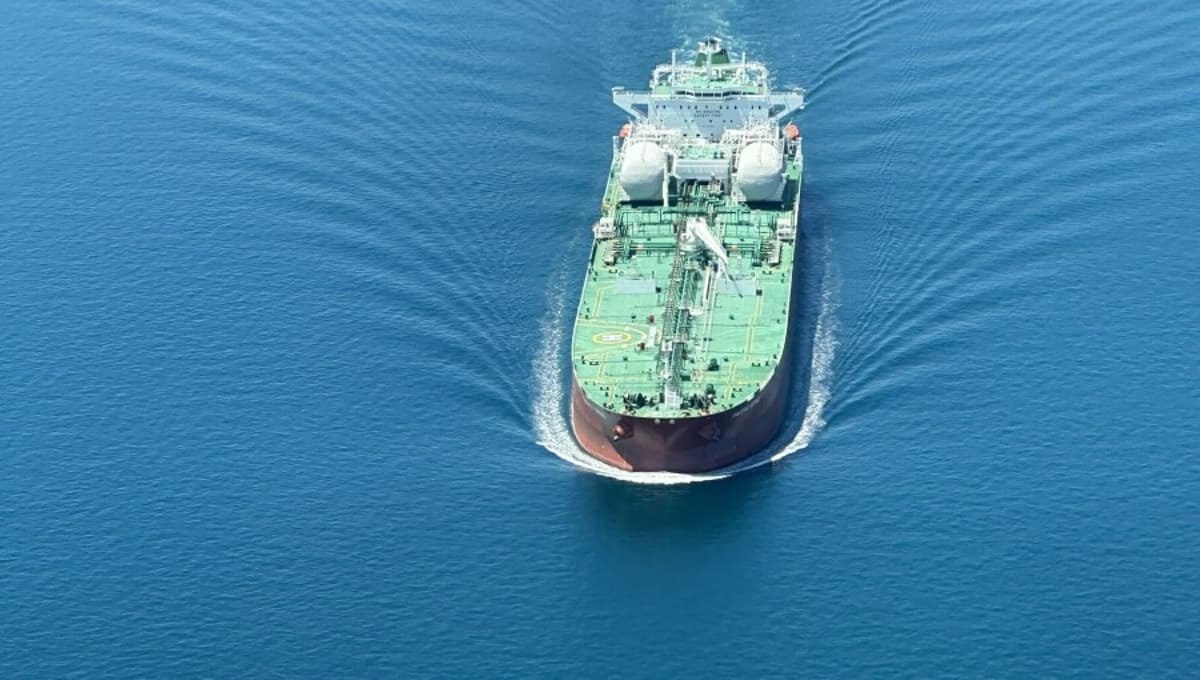
US Forces Disable Indian Crewed Tanker Linked to Iran's Shadow Fleet
Why It Matters
The strike signals a sharpening U.S. resolve to choke Iran’s oil revenues while exposing Indian‑registered vessels to heightened risk, testing the resilience of Indo‑U.S. diplomatic and maritime ties.
Key Takeaways
- •US Navy disabled seventh vessel since Iran blockade began
- •Tanker MT Marivex carried 24 Indian nationals, rescued by Oman helicopters
- •India issued muted statement, avoided blaming United States
- •Incident highlights risks for Indian ships linked to Iran’s shadow fleet
- •Tensions may strain Indo‑US maritime cooperation amid Gulf conflicts
Pulse Analysis
The United States has intensified its maritime interdiction campaign against Iran’s shadow fleet, a network of vessels that evade sanctions by operating under foreign flags and frequently changing ownership. Since the blockade’s launch, U.S. forces have targeted ships suspected of transporting Iranian crude, employing precision weapons to disable them without sinking. This approach aims to disrupt revenue streams that fund Tehran’s regional activities while minimizing collateral damage and environmental fallout. The latest strike on MT Marivex illustrates how the U.S. is willing to engage vessels with multinational crews when diplomatic warnings are ignored.
For India, the incident raises immediate commercial and strategic concerns. Indian-flagged and crewed ships have long been a staple of the nation’s merchant fleet, and their involvement—direct or indirect—in Iran‑linked oil transport now carries heightened scrutiny. New Delhi’s restrained diplomatic language reflects a balancing act: maintaining a neutral stance in the broader West Asia conflict while safeguarding its citizens and trade interests. The rescue by Omani forces mitigated a potential humanitarian crisis, but the lack of a direct rebuke to the United States signals India’s desire to avoid antagonizing a key security partner.
Looking ahead, the episode could reshape maritime security dynamics in the Gulf of Oman and the wider Indian Ocean region. Shipping companies may reassess route planning, insurance premiums could rise, and regional navies might increase joint patrols to deter further escalations. Moreover, the episode tests the limits of U.S. unilateral enforcement versus multilateral frameworks, potentially prompting calls for a coordinated international response to sanction‑evasion networks. Stakeholders—from oil traders to policymakers—must monitor how these enforcement actions influence global oil flows and the geopolitical calculus of nations with vested interests in the region.
US forces disable Indian crewed tanker linked to Iran's shadow fleet
Comments
Want to join the conversation?
Loading comments...