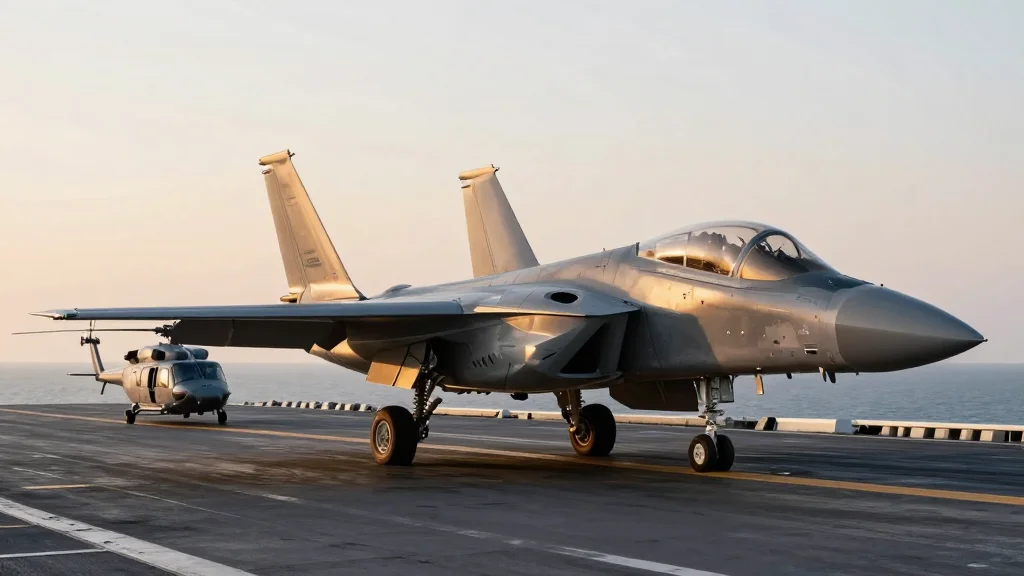
US Forces Rescue Crew After Iran Shoots Down F-15E Fighter
Why It Matters
The incident underscores heightened U.S.-Iran tensions and demonstrates America’s rapid search‑and‑rescue capability, which could influence future engagement rules in the region.
Key Takeaways
- •Iran shot down US F‑15E on April 2, Operation Epic Fury.
- •First pilot rescued after seven hours; second rescued April 4.
- •Iran claimed additional drones and helicopters damaged or downed.
- •Rescue involved US helicopters, showcasing rapid SAR response.
- •Incident raises stakes for US‑Iran military engagement.
Pulse Analysis
The downing of a U.S. Air Force F‑15E Eagle over southern Iran marks one of the most serious aerial confrontations between the two nations in recent years. The aircraft, part of the 48th Fighter Wing stationed at RAF Lakenheath, was on a combat sortie under the banner of Operation Epic Fury when Iran’s newly deployed air‑defence system intercepted it on April 2. The F‑15E, a dual‑role strike platform equipped with advanced radar, GPS navigation, and a 20 mm cannon, is a cornerstone of U.S. air‑to‑ground capability, making its loss a notable tactical setback.
U.S. Central Command confirmed that two service members were safely recovered in separate search‑and‑rescue missions. The first pilot was located by a pair of U.S. helicopters and extracted after a seven‑hour search, while the second crew member was rescued two days later. The rapid deployment of rescue assets highlights the military’s emphasis on personnel recovery, a critical component of operational readiness that reassures service members operating in contested environments. It also signals to adversaries that the United States possesses the logistical reach to respond swiftly, even when operating far from home bases.
Beyond the immediate tactical outcome, the incident raises strategic concerns about an escalating tit‑for‑tat dynamic in the Persian Gulf. Iran’s claim of additional drone and helicopter losses, though unverified, suggests a broader pattern of aerial engagements that could draw in regional allies and complicate diplomatic efforts. Policymakers will need to weigh the risks of further air‑space incursions against the necessity of maintaining freedom of navigation and deterrence. As both sides assess the cost of such encounters, the episode may prompt a recalibration of rules of engagement and an intensified focus on de‑escalation mechanisms to prevent a broader conflict.
US forces rescue crew after Iran shoots down F-15E fighter
Comments
Want to join the conversation?
Loading comments...