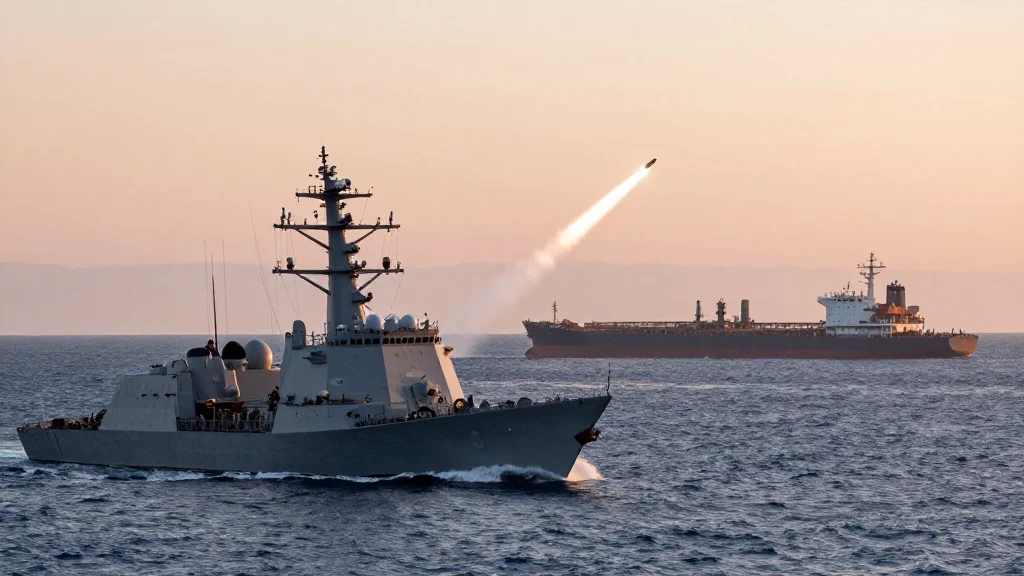
US Forces Strike Two Empty Iranian Oil Tankers, Central Command Says
Why It Matters
The attacks signal a hardening of U.S. enforcement of sanctions, potentially tightening Iran’s oil export routes and influencing global energy markets.
Key Takeaways
- •U.S. Central Command confirmed striking two empty Iranian tankers Friday
- •A third Iranian‑flagged vessel was disabled on Wednesday
- •All three ships are no longer able to transit to Iran
- •Strikes reinforce U.S. naval blockade of Iran’s oil exports
Pulse Analysis
The United States has maintained a naval blockade of Iranian oil exports since the re‑imposition of sanctions in early 2025, aiming to choke revenue that funds Tehran’s regional activities. Over the past year, U.S. warships and aircraft have intercepted or boarded dozens of vessels suspected of carrying sanctioned crude, often under the authority of the International Maritime Organization and UN resolutions. This strategy reflects a broader shift toward kinetic enforcement, complementing financial measures, and has already forced several tankers to reroute through longer, costlier paths around the Arabian Sea.
The May 8 operation marks a notable escalation because the two targeted tankers were empty, indicating that the United States is willing to engage vessels even before they load cargo. According to Central Command, the ships were attempting to breach the blockade, and a third Iranian‑flagged vessel was disabled on Wednesday, effectively removing three potential export channels in a single week. By publicly posting the strikes on X, the Pentagon signals both deterrence to other operators and a transparent stance to domestic and allied audiences, reinforcing the credibility of its enforcement posture.
Market analysts warn that continued interdictions could tighten global oil supplies, especially if Iran redirects shipments through illicit networks or overland pipelines. Shipping insurers are likely to raise premiums for vessels operating near the Strait of Hormuz, and charter rates for compliant tankers may rise as demand for safe passage grows. At the same time, the aggressive posture risks retaliation, potentially heightening tensions with Iranian naval forces and their regional allies. Companies with exposure to Middle‑East energy logistics should monitor U.S. naval advisories and consider contingency routing to mitigate operational risk.
US forces strike two empty Iranian oil tankers, Central Command says
Comments
Want to join the conversation?
Loading comments...