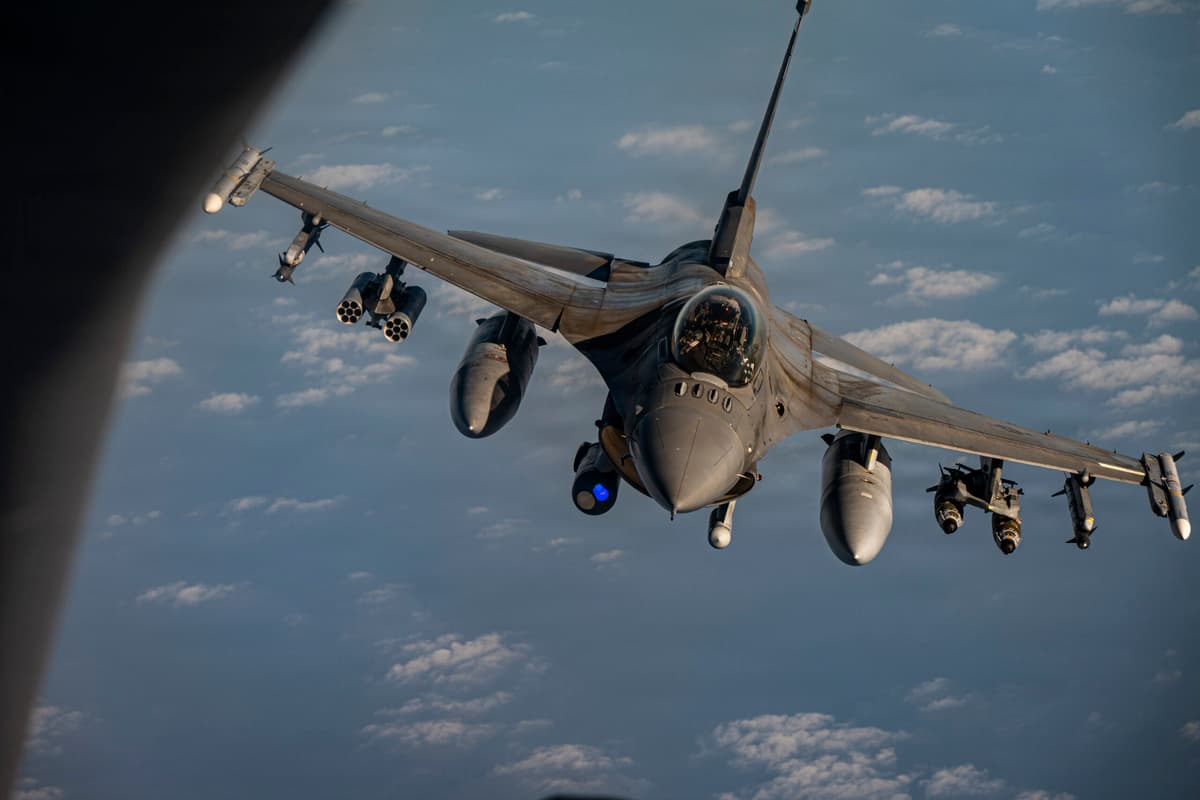
US Hits Iranian Boats, Missile Sites; Iran Claims Drone Shootdown
Why It Matters
The clash highlights the fragility of the cease‑fire and the risk of escalation in a chokepoint that handles a third of global oil flow, affecting energy markets and regional stability.
Key Takeaways
- •U.S. sank two IRGC vessels laying mines in Persian Gulf
- •Iran claimed downing an MQ‑9 Reaper drone over its airspace
- •U.S. attacked missile launchers near Bandar Abbas after missile fire
- •Both sides say they remain committed to ceasefire and diplomacy
- •MQ‑9 losses approach 30 aircraft, still deemed critical asset
Pulse Analysis
The May 25 encounter in the Persian Gulf marked the most intense exchange between U.S. forces and Iran’s Islamic Revolutionary Guard Corps since the conflict erupted three months ago. U.S. Central Command reported that two IRGC vessels, suspected of laying naval mines, were located and sunk, prompting the Iranians to fire surface‑to‑air missiles at American aircraft. In response, U.S. warplanes struck missile launchers near Bandar Abbas, a strategic hub close to the Strait of Hormuz. Both militaries framed the actions as defensive measures taken under an existing cease‑fire.
The skirmish underscores how quickly the narrow waterway can become a flashpoint for broader geopolitical rivalry. Control of the Strait of Hormuz, through which roughly a third of global oil shipments pass, remains a strategic priority for both Tehran and Washington. The alleged downing of a U.S. MQ‑9 Reaper, if verified, would add a rare drone‑loss episode to a tally that now approaches 30 aircraft, highlighting the vulnerability of high‑value unmanned systems in contested airspace. Analysts warn that such incidents could trigger escalation, prompting regional navies to heighten readiness.
Despite the heated exchanges, both governments publicly reaffirmed commitment to the cease‑fire and ongoing diplomatic talks aimed at reopening the strait and addressing Tehran’s nuclear ambitions. Washington’s emphasis on restraint seeks to avoid a broader conflict that could disrupt energy markets and strain U.S. defense budgets already coping with high‑cost drone attrition. Tehran, meanwhile, leverages the narrative of defending sovereign airspace to bolster domestic legitimacy. The episode illustrates the delicate balance between kinetic responses and diplomatic overtures that will shape future U.S.–Iran engagements in the Gulf.
US Hits Iranian Boats, Missile Sites; Iran Claims Drone Shootdown
Comments
Want to join the conversation?
Loading comments...