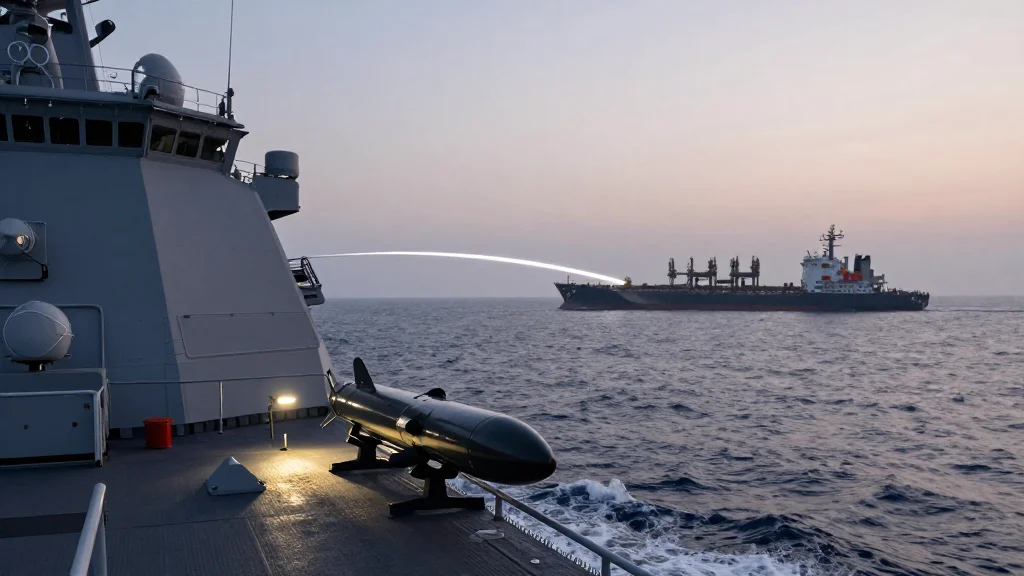
US Hits Iranian Tankers as Gulf Enemies Try to Enforce Naval Blockades
Why It Matters
The action tightens pressure on Iran’s oil revenue and raises navigation risk for global energy traders operating in the Gulf.
Key Takeaways
- •U.S. forces fired on Sea Star III and Sevda in Gulf of Oman.
- •Both tankers are under U.S. sanctions, carrying Iranian crude.
- •Action aims to enforce a maritime blockade on Iran's oil trade.
- •Earlier attempt to reopen Strait of Hormuz was short‑lived.
- •Incident raises insurance and routing costs for Gulf shipping.
Pulse Analysis
The United States’ decision to fire on the Iranian‑flagged Sea Star III and Sevda marks a clear escalation in its maritime pressure campaign. Both vessels, each carrying sanctioned crude, were intercepted in the Gulf of Oman as part of a broader effort to choke Iran’s seaborne oil flow. By targeting ships that are already black‑listed, Washington signals that any attempt to bypass sanctions will meet direct naval resistance, reinforcing a de‑facto blockade that complements economic sanctions and diplomatic isolation.
For global oil markets, the incident injects fresh uncertainty into an already volatile supply chain. Traders watch closely for potential disruptions to the Strait of Hormuz, a chokepoint that handles roughly a third of the world’s petroleum. Higher perceived risk translates into spiking freight rates, elevated war‑risk insurance premiums, and a scramble for alternative routes such as the longer Cape of Good Hope passage. Shipping firms are forced to reassess cargo schedules, while refiners may hedge against price spikes caused by sudden supply shortfalls.
Strategically, the episode underscores the United States’ willingness to use kinetic force alongside sanctions to achieve policy goals in the Middle East. Iran is likely to condemn the attack and could respond with asymmetric measures, including the deployment of proxy naval assets. The short‑lived attempt to reopen the Hormuz corridor earlier this week suggests a diplomatic opening that remains fragile. Stakeholders should monitor forthcoming statements from the Pentagon and the International Maritime Organization, as any escalation could reshape regional security dynamics and influence future negotiations over Iran’s nuclear and maritime activities.
US hits Iranian tankers as Gulf enemies try to enforce naval blockades
Comments
Want to join the conversation?
Loading comments...