US' Hormuz Operation Is 'Temporary': Pentagon
Why It Matters
The operation highlights U.S. resolve to keep a critical oil chokepoint open, while signaling a shift toward regional partners handling security, affecting global energy flows and shipping costs.
Key Takeaways
- •Project Freedom enabled two U.S.-flagged ships to exit Hormuz.
- •Pentagon plans to transfer Hormuz security duties to allied nations soon.
- •Iran's drones and missiles stayed below threshold for restarting war.
- •Shipping groups warn heightened risk despite temporary U.S. naval presence.
- •Ceasefire from April 7 remains, but political decision needed to end tensions.
Pulse Analysis
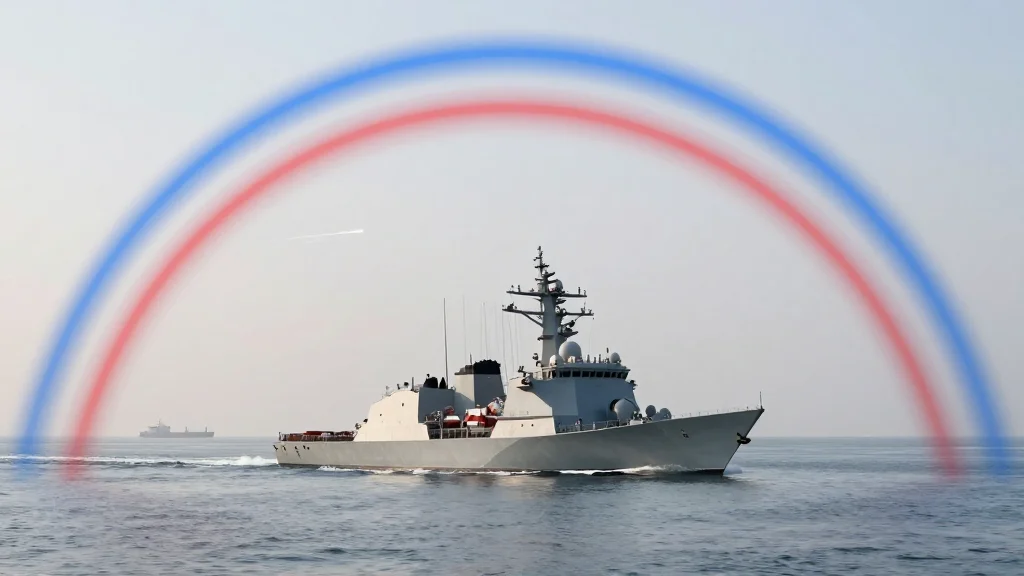
The Strait of Hormuz, a chokepoint through which roughly 20% of global oil passes, has become the flashpoint of a renewed U.S.–Iran naval standoff. On May 5, the Pentagon announced that Project Freedom, launched on May 4, successfully escorted two U.S.-flagged vessels out of the Gulf and established a protective “red, white and blue dome” over the waterway. The operation, however, sparked a brief exchange of fire, with Iran deploying drones and missiles that were intercepted without causing major damage. While the mission is billed as temporary, it underscores Washington’s willingness to project power to keep commerce flowing.
The immediate business impact is clear: shipping insurers have raised premiums for Hormuz transits, and container lines are rerouting vessels around the Arabian Sea, adding days and fuel costs. Energy traders watch the strait closely, as any disruption can ripple through crude benchmarks and gasoline prices in the United States. By signaling an intention to hand the security burden to regional allies, the United States is testing the capacity of Gulf Cooperation Council navies to assume a policing role, a move that could reshape the security‑commerce calculus in the Middle East.
Politically, the ceasefire signed on April 7 remains technically in force, yet both sides continue low‑level skirmishes that keep the conflict below the threshold of full‑scale war. Analysts warn that without a diplomatic breakthrough, the “temporary” U.S. presence may evolve into a longer‑term commitment, especially if Iran escalates missile or cyber attacks on commercial shipping. Companies with supply‑chain exposure to the region should monitor diplomatic channels, diversify routing options, and consider hedging energy exposure to mitigate the lingering volatility that the Hormuz episode has reignited.
US' Hormuz operation is 'temporary': Pentagon
Comments
Want to join the conversation?
Loading comments...