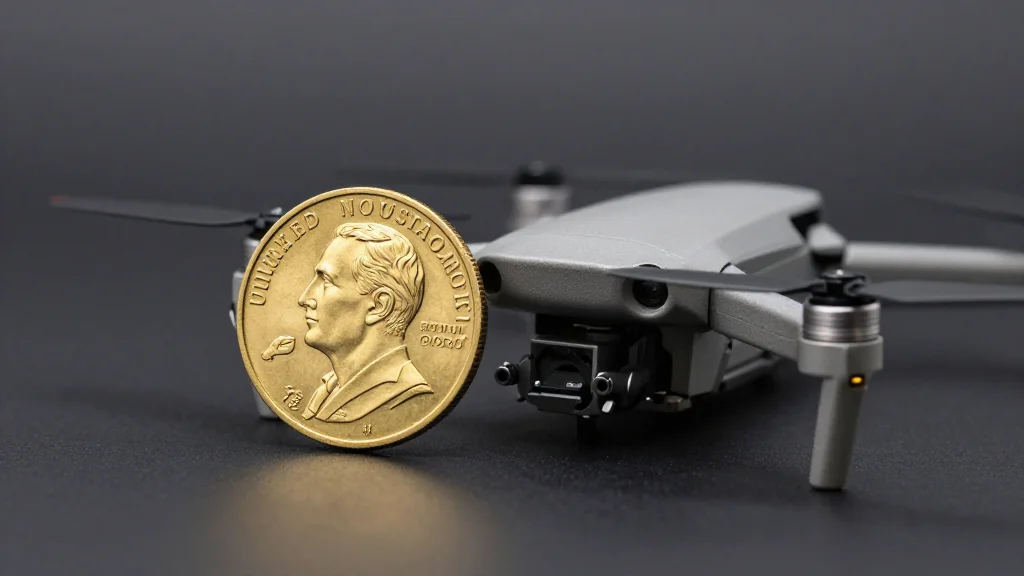
US Imposes Sanctions on 10 Individuals, Companies for Aiding Iran's Weapons Sector
Why It Matters
The sanctions aim to choke Iran’s drone supply chain, limiting its ability to project power and threaten U.S. forces, while signaling U.S. resolve ahead of high‑level talks with China.
Key Takeaways
- •Treasury sanctions 10 entities linked to Iran's drone program.
- •Targets include firms in China, Hong Kong, and Iran.
- •Sanctions aim to cut raw material supply for Shahed drones.
- •U.S. warns of secondary sanctions on foreign financial institutions.
- •Announcement precedes Trump’s upcoming China visit, heightening diplomatic stakes.
Pulse Analysis
The United States is intensifying pressure on Iran’s burgeoning drone industry by sanctioning ten individuals and companies that facilitate the acquisition of critical components for Shahed unmanned aerial systems. By designating both Iranian actors and foreign facilitators—particularly those based in China and Hong Kong—the Treasury seeks to disrupt the supply chain that fuels Tehran’s ability to mass‑produce loitering munitions used against regional adversaries and, potentially, U.S. forces. This approach reflects a broader strategy of targeting the financial and logistical lifelines of Iran’s military‑industrial complex rather than solely focusing on end‑users.
The timing of the sanctions dovetails with President Donald Trump’s upcoming diplomatic trip to China, a move that could reshape U.S.-China relations amid competing strategic interests. By naming Chinese‑linked entities, Washington signals its willingness to employ secondary sanctions against foreign financial institutions that enable Iran’s weapons programs. This creates a cautionary environment for multinational banks and exporters, compelling them to scrutinize trade flows that could inadvertently support Tehran’s drone production. The policy also serves as a diplomatic lever, pressuring Beijing to curb illicit networks that operate through its “teapot” refineries and other shadowy channels.
Looking ahead, the sanctions set a precedent for more aggressive enforcement of non‑proliferation norms. Analysts expect Tehran to seek alternative sources, possibly turning to illicit markets in the Middle East or leveraging domestic capabilities to offset the disruption. For U.S. defense contractors and allied governments, the move underscores the importance of robust export‑control regimes and intelligence sharing. Ultimately, curbing Iran’s drone output could reduce the frequency of proxy attacks in the region, stabilizing a volatile security landscape while reinforcing the United States’ commitment to safeguarding its interests abroad.
US imposes sanctions on 10 individuals, companies for aiding Iran's weapons sector
Comments
Want to join the conversation?
Loading comments...