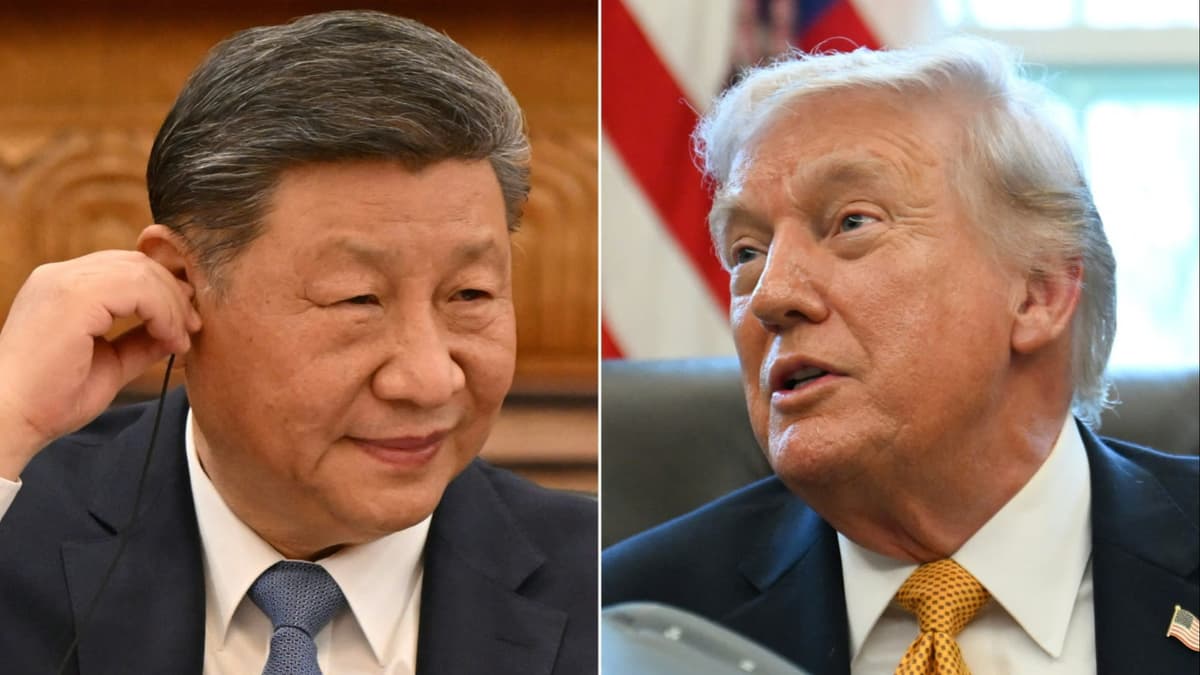
US Imposes Sanctions on Chinese Companies for Allegedly Helping Iran
Why It Matters
The sanctions tighten economic pressure on Iran while signaling to Beijing that U.S. enforcement will extend to Chinese actors, raising compliance costs for multinational firms. They also underscore the growing intersection of great‑power rivalry and non‑proliferation policy.
Key Takeaways
- •US sanctions target five Chinese firms linked to Iran
- •Accusations include missile component transfers and dual‑use tech
- •Sanctions increase US pressure on China’s Middle East role
- •Companies face asset freezes and US market bans
- •Heightened compliance risk for global supply chains
Pulse Analysis
The United States has once again leveraged its secondary sanctions toolkit, this time targeting Chinese firms alleged to have supplied Iran with components for missiles, drones and potentially nuclear‑related projects. By adding the entities to the Treasury’s Specially Designated Nationals (SDN) list, Washington blocks any U.S. dollar transactions and bars American companies from providing services. The move follows a series of similar actions over the past year, as Tehran seeks to circumvent strict export controls by tapping into China’s expansive high‑tech and logistics sectors. Analysts view the designations as a clear signal that the U.S. will pursue any conduit that fuels Tehran’s weapons ambitions.
For the Chinese companies named, the immediate consequences are severe: frozen assets under U.S. jurisdiction, loss of access to the world’s largest financial system, and heightened scrutiny from global banks wary of secondary sanctions. The broader business community must now reassess supply‑chain exposure, especially firms that source electronics, aerospace parts or shipping services from China. Compliance teams are expected to tighten due‑diligence protocols, and some multinational corporations may pre‑emptively disengage to avoid inadvertent violations. The sanctions also deepen the strategic rivalry between Washington and Beijing, raising the prospect of reciprocal measures that could further fragment international trade.
From a market perspective, the crackdown adds another layer of risk to sectors already sensitive to geopolitical shocks, such as defense, energy and commodities. Investors are likely to price in higher insurance premiums and potential disruptions in the flow of dual‑use goods to the Middle East. Policymakers in allied nations may coordinate similar actions, amplifying pressure on Iran while testing China’s willingness to police its own firms. Companies operating in high‑risk regions should prioritize robust sanction‑screening tools, diversify sourcing strategies, and stay attuned to evolving U.S. export‑control guidance to safeguard operations.
US imposes sanctions on Chinese companies for allegedly helping Iran
Comments
Want to join the conversation?
Loading comments...