U.S. Industries Push to Revive Tungsten Production Amid Shortage
Companies Mentioned
Why It Matters
Domestic tungsten supply is a critical national‑security issue, ensuring the Pentagon can sustain high‑tempo missile operations without exposure to foreign export controls. It also strengthens the U.S. strategic minerals portfolio, supporting defense, manufacturing, and emerging energy technologies.
Key Takeaways
- •Pentagon urged 1,500 firms to boost domestic tungsten output.
- •China supplied 78% of 94,000 t global tungsten in 2025.
- •American Tungsten aims to produce 8% of U.S. demand by 2027.
- •DOE and DOD granted over $11 million for U.S. tungsten projects.
- •Tungsten’s high melting point makes it vital for missiles and fusion reactors.
Pulse Analysis
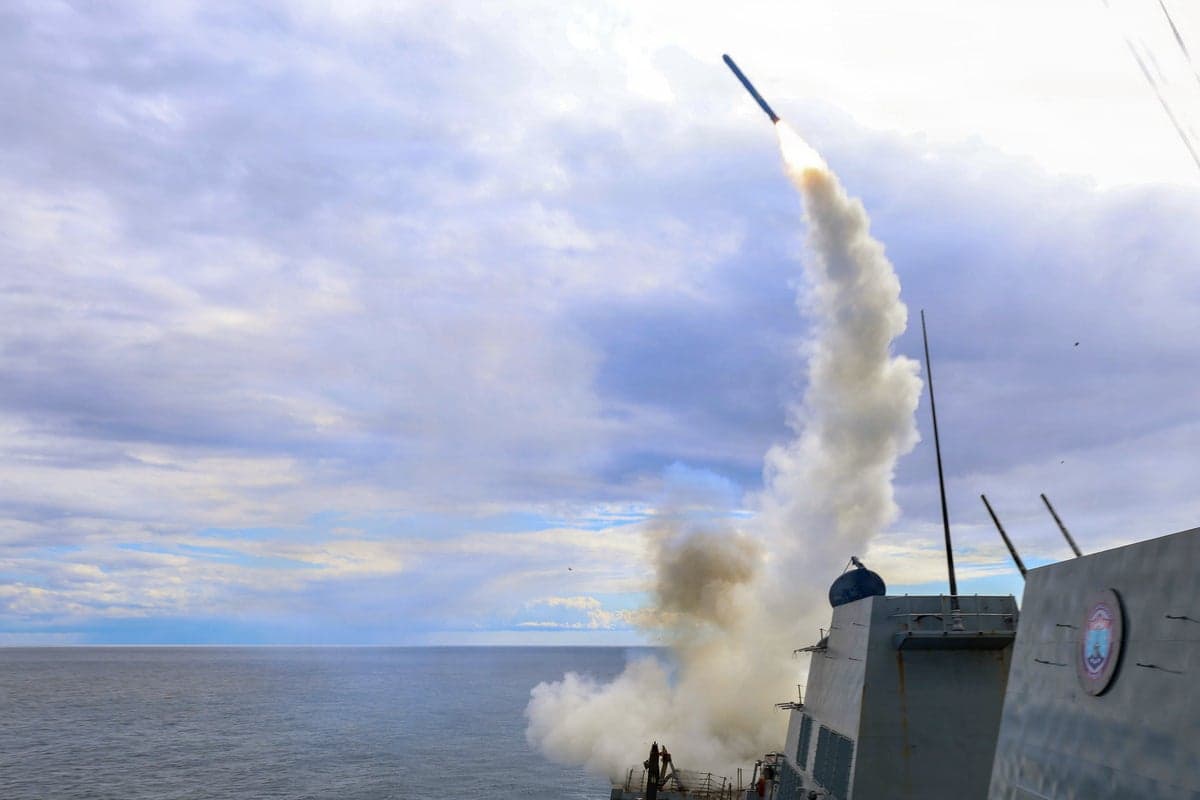
China’s near‑monopoly over tungsten—78 percent of the 94,000 tons produced worldwide in 2025—has long left U.S. manufacturers dependent on imports that are vulnerable to geopolitical shifts. When Beijing imposed export restrictions last year, prices surged and the Pentagon’s inventory of tungsten‑based munitions, such as Tomahawk and precision‑strike missiles, began to dwindle. The shortage highlighted a broader strategic risk: a single‑source supply chain for a metal essential to armor‑piercing projectiles, drill bits, and even nascent nuclear‑fusion reactor components.
In response, the U.S. government has turned policy into cash. The Department of Energy awarded Texas‑based MELT Technologies $5.7 million to scale tungsten carbide production, while the Defense Department granted $6.2 million to Guardian Metal Resources for a Nevada prefeasibility study. Together with private ventures like American Tungsten’s Idaho mine—targeting 8 percent of domestic demand by 2027—and Almonty’s newly acquired Montana operation, federal funding exceeds $11 million. These projects aim to exploit higher‑grade ore deposits, mitigate environmental tailings through above‑water drilling, and establish a reliable supply chain from mine to ammonium paratungstate (APT) to finished powder.
The implications extend beyond immediate war‑fighting needs. A stable tungsten supply underpins the U.S. industrial base, from aerospace cutting tools to the tungsten‑clad tokamak walls that recently contained plasma at 50 million °C for six minutes. As the Pentagon’s missile usage spikes—over 850 Tomahawks fired within weeks of the Iran strikes—price protection and strategic stockpiles become essential to shield U.S. manufacturers from future export curbs. A domestically sourced tungsten sector could thus safeguard national defense, bolster high‑tech energy research, and reduce the strategic leverage of foreign producers.
U.S. Industries Push to Revive Tungsten Production Amid Shortage
Comments
Want to join the conversation?
Loading comments...