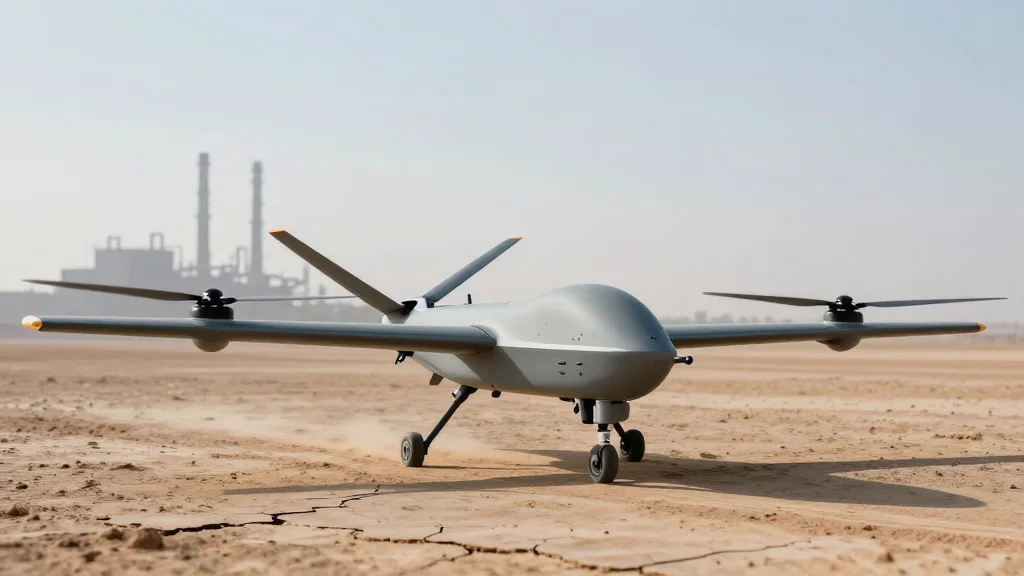
U.S. Intel Says Iran Rebuilding Drone Arsenal Faster Than Expected

Why It Matters
Iran’s accelerated reconstruction of its drone and missile production lines reshapes the strategic balance in the Middle East. Drones provide a low‑cost, hard‑to‑detect delivery platform that can saturate air defenses, potentially undermining Israel’s missile shield and threatening Gulf states allied with the United States. The involvement of Russian and Chinese components further complicates diplomatic leverage, as Tehran can source critical technology despite sanctions. For U.S. defense planners, the faster‑than‑expected timeline compresses the decision cycle for any contingency response, demanding quicker assessments of force readiness and potential escalation pathways. The intelligence also signals a reassessment of the effectiveness of prior U.S.-Israeli strikes. If a significant portion of Iran’s launchers and production facilities survived, future campaigns may need to target deeper, more resilient nodes, increasing operational risk and cost. Moreover, the data could influence congressional debates on defense spending, prompting calls for enhanced surveillance, electronic warfare capabilities, and regional partner support to counter a revitalized Iranian drone threat.
Key Takeaways
- •U.S. intel says Iran resumed drone production within a six‑week ceasefire.
- •Full drone‑attack capability could be restored in as little as six months.
- •Two‑thirds of Iran’s missile launchers are now assessed to have survived prior strikes.
- •Chinese and Russian support cited as key factors in Iran’s rapid rebuild.
- •Pentagon and Israeli officials warn the revived capability could alter regional deterrence.
Pulse Analysis
The latest intelligence on Iran’s drone resurgence underscores a broader trend: asymmetric aerial platforms are becoming the linchpin of regional power projection. Historically, Iran relied on ballistic missiles to threaten adversaries, but the integration of swarming drones offers a cost‑effective way to overwhelm sophisticated air defenses. This shift mirrors developments in other theaters, where state and non‑state actors use commercially available components to field capable UAVs. The six‑month timeline for full restoration suggests Tehran has institutionalized rapid‑recovery processes, likely drawing on lessons from past sanctions and conflict cycles.
From a market perspective, the news could spur demand for counter‑UAV technologies, including directed‑energy weapons, electronic warfare suites, and advanced radar systems. U.S. defense contractors with existing programs in these areas may see accelerated procurement from allies seeking to bolster their own defenses. Simultaneously, the alleged Chinese component supply chain highlights the strategic vulnerability of U.S. export controls, prompting calls for tighter enforcement and greater investment in domestic supply alternatives.
Looking forward, the United States faces a strategic dilemma: whether to intensify pressure on Iran through additional sanctions and targeted strikes, or to double down on diplomatic engagement to curb the flow of foreign components. The six‑month window creates a sense of urgency; any miscalculation could lock the region into a new escalation spiral, especially if Tehran leverages its revived drone fleet in a retaliatory strike. Policymakers will need to balance deterrence with the risk of provoking a broader conflict, while defense firms must adapt quickly to a market that now places a premium on rapid, scalable counter‑drone solutions.
U.S. Intel Says Iran Rebuilding Drone Arsenal Faster Than Expected
Comments
Want to join the conversation?
Loading comments...