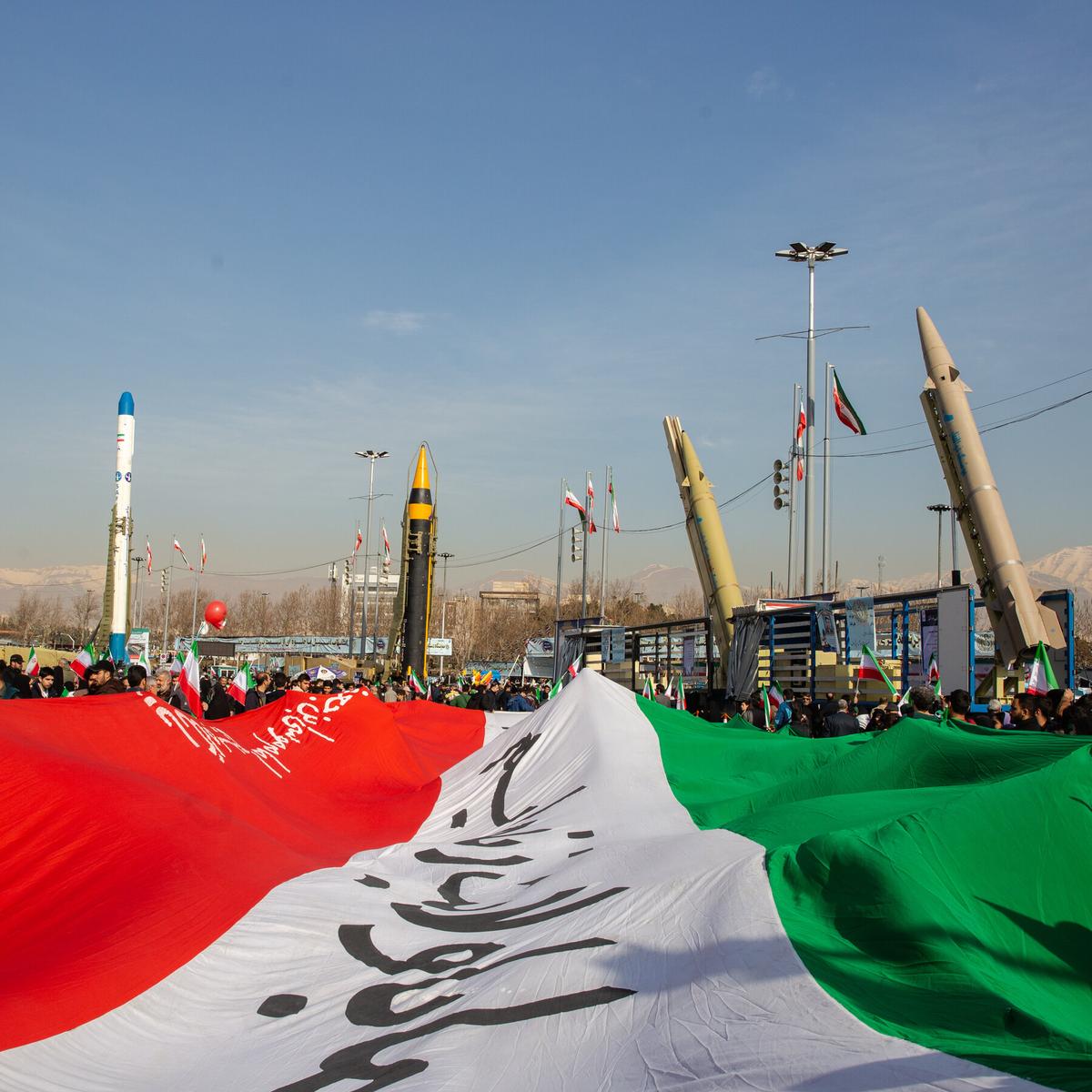
U.S. Intelligence Shows Iran Retains Substantial Missile Capabilities
Why It Matters
Iran’s retained missile capability threatens the strategic chokepoint of the Strait of Hormuz and could force the United States to expend scarce munitions, complicating deterrence and alliance commitments.
Key Takeaways
- •Iran controls ~70% of pre‑war missile stockpile.
- •30 of 33 Strait of Hormuz sites are operational.
- •U.S. used ~1,100 cruise, 1,000 Tomahawk, 1,300 Patriot missiles.
- •Remaining U.S. munitions stocks are critically low for future conflicts.
- •Allies fear reduced ammunition supply for Ukraine and regional security.
Pulse Analysis
The newly declassified intelligence paints a far more resilient picture of Iran’s missile forces than the Trump administration has publicly acknowledged. By confirming that roughly 70 percent of Iran’s pre‑war missile inventory remains intact and that most launch sites along the vital Strait of Hormuz are functional, the assessments underscore a strategic reality: Tehran can still project power across the Gulf and threaten commercial shipping that carries about 20 percent of global oil consumption. This discrepancy between public rhetoric and classified analysis highlights the challenges of accurately gauging adversary capabilities in real‑time conflict environments.
Beyond the immediate regional threat, the intelligence report spotlights a pressing logistical dilemma for the United States. The recent joint U.S.–Israel operation expended an estimated 1,100 long‑range cruise missiles, 1,000 Tomahawk land‑attack missiles, and over 1,300 Patriot interceptors—figures that approach the total remaining stockpiles of these systems. With production lines for critical components like rocket motors unable to scale quickly, the Pentagon faces a potential shortfall that could affect ongoing commitments in Europe, the Pacific, and support for Ukraine. The strain on munitions reserves forces policymakers to weigh the cost of further strikes against Iran against the risk of depleting essential defense assets.
Strategically, Iran’s ability to retain a sizable missile force reshapes the calculus for U.S. and allied planners. A credible Iranian missile threat in the Strait of Hormuz could compel a sustained naval presence, increasing operational costs and the likelihood of inadvertent escalation. Moreover, allies who have relied on American ammunition supplies now question the durability of that support, especially as they confront their own security challenges. The intelligence findings therefore serve as a warning: without a clear path to replenish depleted arsenals, the United States may find its strategic options constrained, prompting a reassessment of both deterrence posture in the Middle East and broader defense industrial policy.
U.S. Intelligence Shows Iran Retains Substantial Missile Capabilities
Comments
Want to join the conversation?
Loading comments...