US-Iran Ceasefire 'on Life Support' With Energy Woes to Continue in 2027
Companies Mentioned
Why It Matters
The impasse threatens global oil supply stability and escalates a looming humanitarian crisis, extending market volatility and geopolitical risk.
Key Takeaways
- •US‑Iran cease‑fire remains fragile, no agreement on port blockade
- •Brent crude hovered above $103 per barrel, up 2% on news
- •Saudi Aramco warns energy shock could linger until 2027
- •UN projects 45 million people face hunger without fertilizer shipments
- •China may influence Gulf talks as Trump meets Xi this week
Pulse Analysis
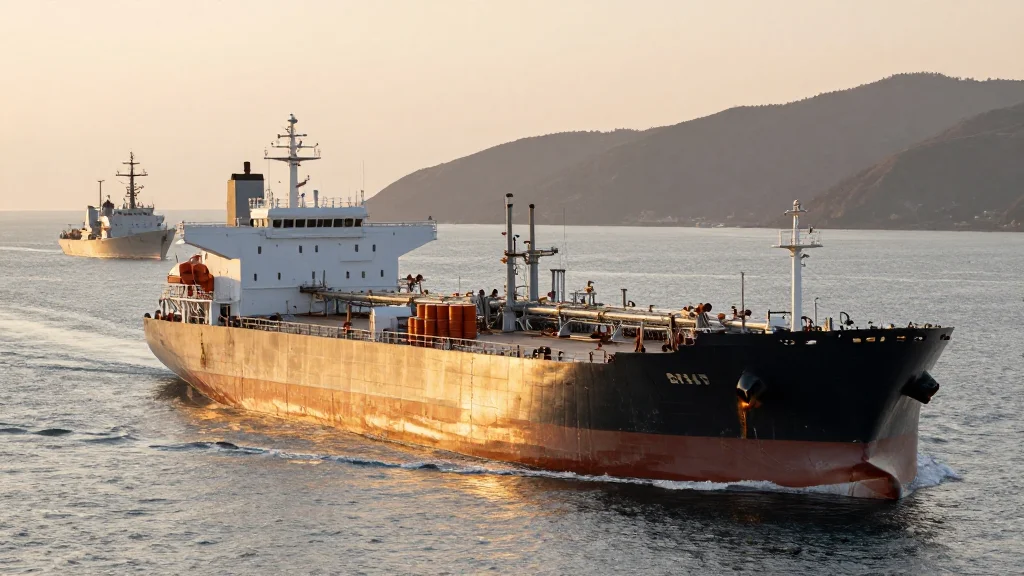
The deadlock between Washington and Tehran underscores how quickly regional conflicts can spill over into global markets. With the Strait of Hormuz—through which roughly a fifth of the world’s oil passes—still sealed, the United States is pressing for a total victory, refusing to lift the naval blockade that Iran deems illegal. Tehran’s counter‑demands focus on unfreezing sovereign assets and restoring safe passage for commercial vessels, a stance that keeps diplomatic channels wide open yet unproductive. This stalemate fuels uncertainty among traders, prompting price spikes that ripple through downstream industries and consumer fuel costs.
Oil markets have reacted sharply; Brent crude climbed to just over $103 per barrel, a 2% jump that reflects both supply anxiety and speculative positioning. Saudi Aramco’s chief, Amin Nasser, characterizes the disruption as the largest energy shock ever recorded, warning that even a prompt reopening would require months for the market to rebalance. If the strait stays closed for weeks, the imbalance could stretch into 2027, reshaping investment decisions in alternative energy, strategic reserves, and shipping routes. The prolonged price elevation also pressures inflation‑sensitive economies, prompting central banks to reassess policy levers.
Beyond economics, the blockade threatens a looming humanitarian disaster. The United Nations warns that fertilizer shipments—critical for agricultural output in the Middle East and South Asia—are being choked, potentially driving 45 million people toward hunger. This crisis adds urgency to diplomatic overtures, with China positioned as a potential mediator as President Trump prepares to meet Xi Jinping. The interplay of energy security, food stability, and great‑power rivalry will define the next phase of Gulf geopolitics, making the resolution of the Hormuz impasse a pivotal factor for global stability.
US-Iran ceasefire 'on life support' with energy woes to continue in 2027
Comments
Want to join the conversation?
Loading comments...