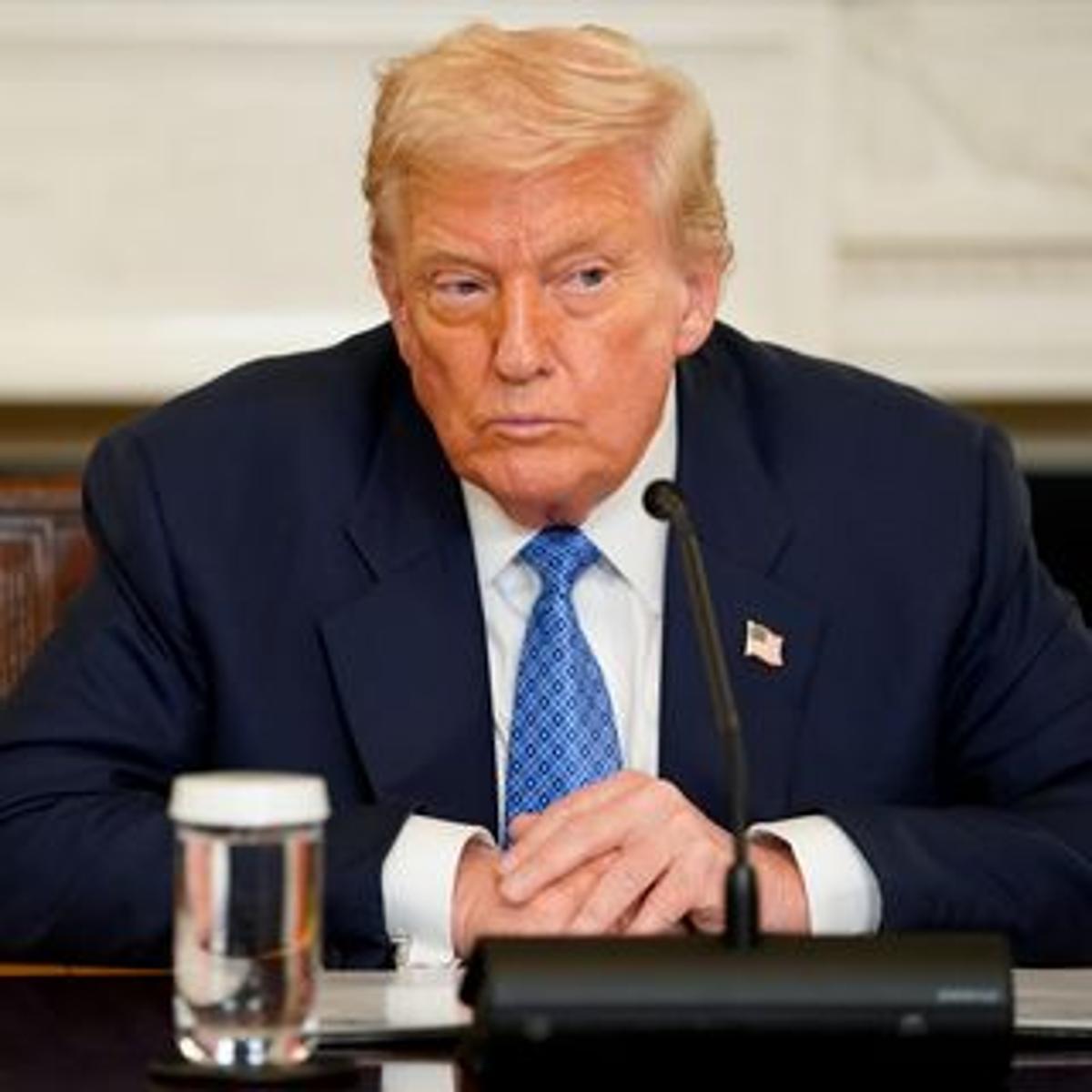
U.S.-Iran Peace Talks Expected Friday in Pakistan, Sources Say
Why It Matters
A ceasefire and direct talks could halt hostilities, reshape Middle‑East geopolitics, and influence global energy markets. Successful diplomacy would signal U.S. diplomatic resilience amid regional tensions.
Key Takeaways
- •First in-person US‑Iran talks since war began
- •Two‑week ceasefire agreed, enabling peace negotiations
- •Vice President Vance likely to lead US delegation
- •Pakistan’s leaders thanked for facilitating ceasefire
- •Jared Kushner involved as senior adviser
Pulse Analysis
The renewed diplomatic overture between Washington and Tehran arrives after months of escalating hostilities that have disrupted oil shipments and heightened security concerns across the Middle East. By securing a two‑week ceasefire, the Trump administration aims to create a breathing space for substantive dialogue, echoing past attempts such as the 2015 nuclear agreement but with a broader focus on ending active combat. This pause also allows regional actors to reassess their positions, potentially reducing the risk of a wider conflagration that could reverberate through global markets.
Pakistan’s role as host underscores its strategic importance as a neutral conduit between the two adversaries. Islamabad’s invitation, backed by Prime Minister Shehbaz Sharif and Field Marshal Asim Munir, reflects a calculated effort to leverage its geographic proximity and diplomatic ties to both Washington and Tehran. The involvement of high‑level U.S. officials—Vice President Vance, envoy Steve Witkoff, and adviser Jared Kushner—signals a commitment to a multilateral approach, while also testing the limits of U.S. political capital amid domestic scrutiny of foreign policy decisions.
If the Islamabad talks yield a durable peace framework, the implications could be profound: a de‑escalation of military expenditures, renewed investor confidence in energy sectors, and a potential reset of U.S. engagement strategies in the region. Conversely, failure to bridge core disagreements may entrench the conflict, prompting further sanctions and destabilizing supply chains. Stakeholders—from multinational corporations to regional governments—should monitor the negotiations closely, as the outcomes will likely shape geopolitical risk assessments and market forecasts for the foreseeable future.
U.S.-Iran peace talks expected Friday in Pakistan, sources say
Comments
Want to join the conversation?
Loading comments...