U.S.-Iran Talks at Impasse over Nuclear Program and Strait of Hormuz
Why It Matters
A stalemate threatens global oil flow through the Hormuz chokepoint and stalls progress on nuclear non‑proliferation, heightening regional instability and market volatility.
Key Takeaways
- •Iran offers Strait of Hormuz reopening for sanctions lift, asset release.
- •US insists on permanent nuclear dismantlement, rejects Iran's conditional offer.
- •Negotiations stalled, creating risk to global oil shipments.
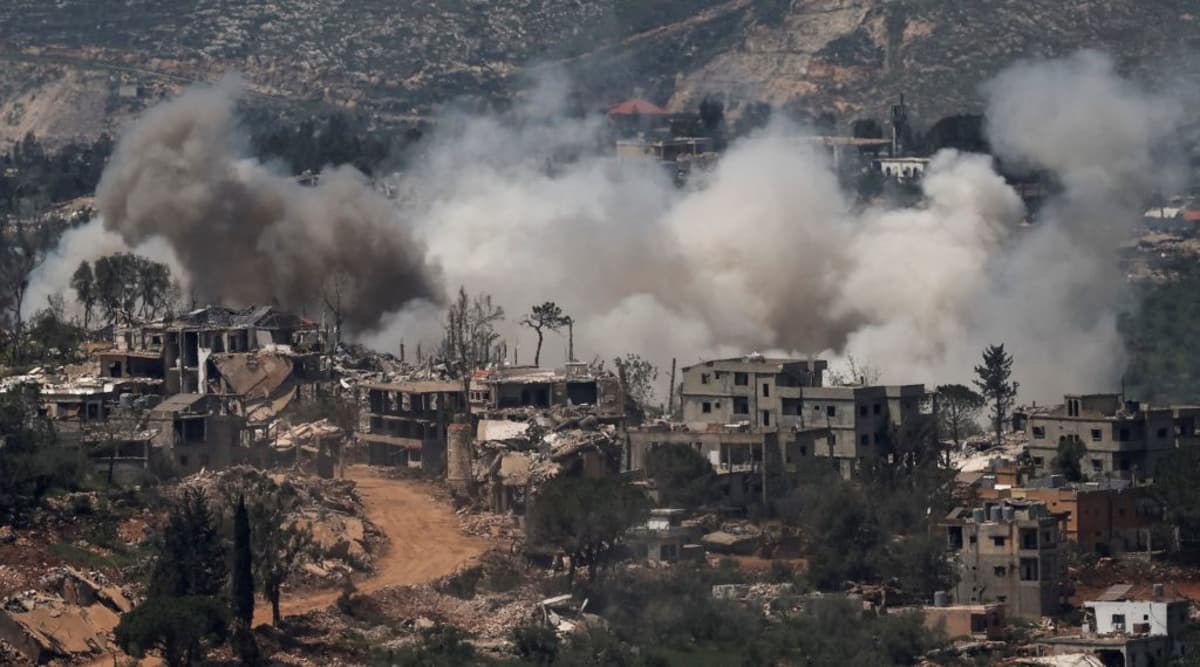
- •Hezbollah‑Israel clashes intensify amid broader US‑Iran deadlock.
- •German chancellor calls US strategy on Iran “clearly lacking”.
Pulse Analysis
The Strait of Hormuz remains one of the world’s most critical maritime arteries, channeling roughly 20% of global oil shipments. U.S. officials have long linked any concession on Iranian sanctions to a verifiable end‑state for Tehran’s nuclear ambitions, fearing that a temporary freeze could enable rapid re‑enrichment. Iran’s latest overture—lifting the blockade and releasing frozen assets in return for a limited pause on nuclear negotiations—tests that calculus, offering a potential de‑escalation of shipping disruptions but at the cost of a perceived weakening of non‑proliferation safeguards.
Analysts note that Washington’s insistence on a permanent dismantlement reflects both domestic political pressure and a strategic desire to prevent a nuclear breakout that could alter the regional balance of power. The Iranian suggestion of a less‑than‑10‑year enrichment freeze hints at a willingness to negotiate, yet it falls short of the U.S. demand for irreversible dismantlement. A compromise could involve phased verification mechanisms, but any perceived concession risks emboldening Tehran’s regional proxies and undermining the credibility of the sanctions regime.
Beyond the nuclear dialogue, the impasse reverberates across the Middle East. Escalating clashes between Hezbollah and Israeli forces in southern Lebanon raise the specter of a broader conflagration, while Germany’s public rebuke of U.S. strategy signals growing European unease about American diplomatic handling. The convergence of oil market anxieties, nuclear proliferation concerns, and regional military flashpoints makes the current deadlock a pivotal moment for policymakers seeking to preserve both energy stability and security in a volatile geopolitical environment.
U.S.-Iran talks at impasse over nuclear program and Strait of Hormuz
Comments
Want to join the conversation?
Loading comments...