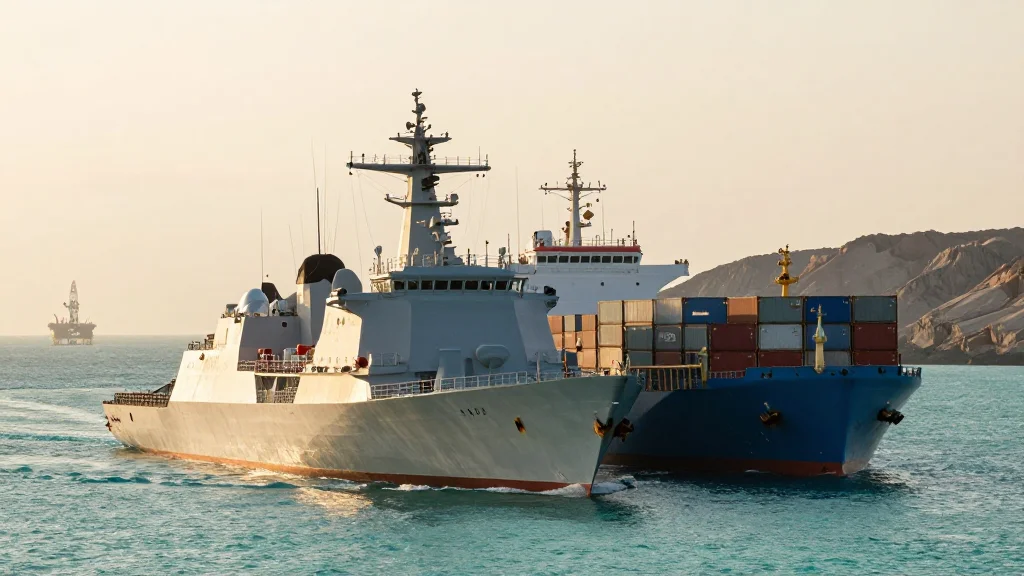
US-Iran Talks Take Sudden, Uncertain Shift with Sweeping Claims on Both Sides
Companies Mentioned

Why It Matters
The strait’s status directly influences global oil prices and supply chains, while the diplomatic deadlock heightens geopolitical risk and tests US domestic political support for the war effort.
Key Takeaways
- •Trump announced Iran opened Strait of Hormuz, but waterway stays effectively closed
- •Iranian parliament speaker called all seven of Trump's claims false
- •Europe drafts neutral naval mission as backup to keep shipping moving
- •Israel‑Lebanon cease‑fire remains fragile, with Hezbollah likely to resume hostilities
- •GOP senators warn war could exceed 60‑day limit, pressuring Trump
Pulse Analysis
The latest round of US‑Iran negotiations has turned into a public relations showdown rather than a substantive breakthrough. Trump’s announcement that Tehran would reopen the Strait of Hormuz—one of the world’s most critical oil chokepoints—was quickly contradicted by statements from Iran’s parliamentary speaker, who labeled all seven of the president’s claims false. Data from trade‑monitoring firm Kpler shows vessel traffic confined to narrow, pre‑approved lanes, underscoring that any meaningful increase in oil, gas, or fertilizer shipments will likely take months, not weeks, to materialize.
In response to the lingering closure, European powers are moving ahead with a contingency plan to protect commercial navigation. France and the United Kingdom, joined by 49 other nations, pledged to coordinate a neutral naval operation distinct from the belligerents, aiming to deter hostile actions and ensure the free flow of goods. This "plan B" reflects growing frustration in Europe over the United States’ reluctance to share the security burden and highlights the broader strategic stakes of a protracted strait shutdown for global trade and energy security.
Domestically, the diplomatic impasse is feeding a growing rift within the Republican Party. Senators from both sides of the aisle have warned that the war could exceed the 60‑day limit imposed by the War Powers Resolution, threatening to withhold further authorization for military action. Coupled with doubts about the durability of the Israel‑Lebanon cease‑fire—where Hezbollah remains a potent flashpoint—the administration faces mounting pressure to secure a durable agreement that addresses both nuclear concerns and regional stability before political costs become untenable.
US-Iran talks take sudden, uncertain shift with sweeping claims on both sides
Comments
Want to join the conversation?
Loading comments...