US, Japan Missile Drills Put Philippines in China’s Line of Fire
Why It Matters
The missile tests deepen the Philippines’ integration into the U.S.-led First Island Chain, boosting deterrence against China but also exposing Manila to heightened security risks and strategic dependence.
Key Takeaways
- •US and Japan fired missiles from Philippine bases during Balikatan drills
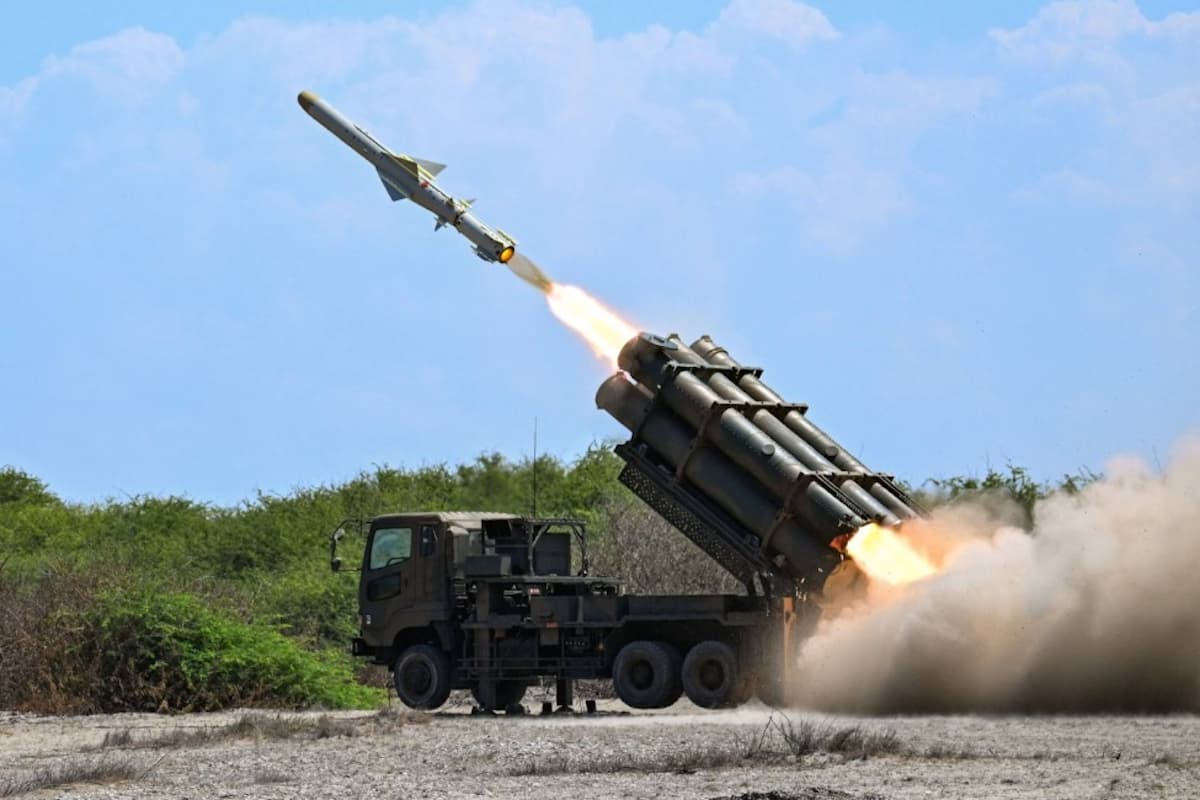
- •Type 88 missile sank a decommissioned ship 75 km offshore
- •Tomahawk launch demonstrated 1,250‑2,000 km reach into mainland China
- •Philippines risks becoming a forward missile hub in US‑China rivalry
Pulse Analysis
The 2024 Balikatan exercises marked a turning point in Pacific security, as U.S. and Japanese forces conducted live‑fire missile drills on Philippine soil. Japan’s Ground Self‑Defense Force deployed the Cold‑War‑era Type 88 anti‑ship missile, while the U.S. Army’s Typhon system launched a Tomahawk cruise missile capable of striking targets up to 2,000 km away. By staging these launches in the Philippines, the allies signal a concrete step toward a layered "missile wall" that reinforces the First Island Chain strategy aimed at containing Beijing’s maritime ambitions.
For Manila, the drills offer both strategic leverage and vulnerability. Hosting advanced missile systems elevates the Philippines’ importance to Washington and Tokyo, potentially unlocking additional defense aid and modern weaponry such as BrahMos supersonic missiles. However, the archipelago’s limited road networks, sparse sustainment infrastructure, and modest ISR capabilities make the launchers susceptible to Chinese satellite tracking, drones, or pre‑emptive strikes. The Philippines’ reliance on external powers could erode its strategic autonomy, echoing past tensions over foreign basing agreements in South Korea and Japan.
Regionally, the missile firings intensify the great‑power rivalry in the South China Sea and beyond. Beijing has condemned the exercises as destabilizing, warning against Japan’s “remilitarization.” Yet the displays serve a dual purpose: deterring Chinese aggression while reassuring allies like Taiwan that the U.S. remains committed to Pacific security despite distractions in the Middle East. As Japan contemplates longer‑term Type 88 deployments and potential arms‑export liberalization, the Philippines may become a permanent forward‑deployed node, reshaping the balance of power across the Indo‑Pacific.
US, Japan missile drills put Philippines in China’s line of fire
Comments
Want to join the conversation?
Loading comments...