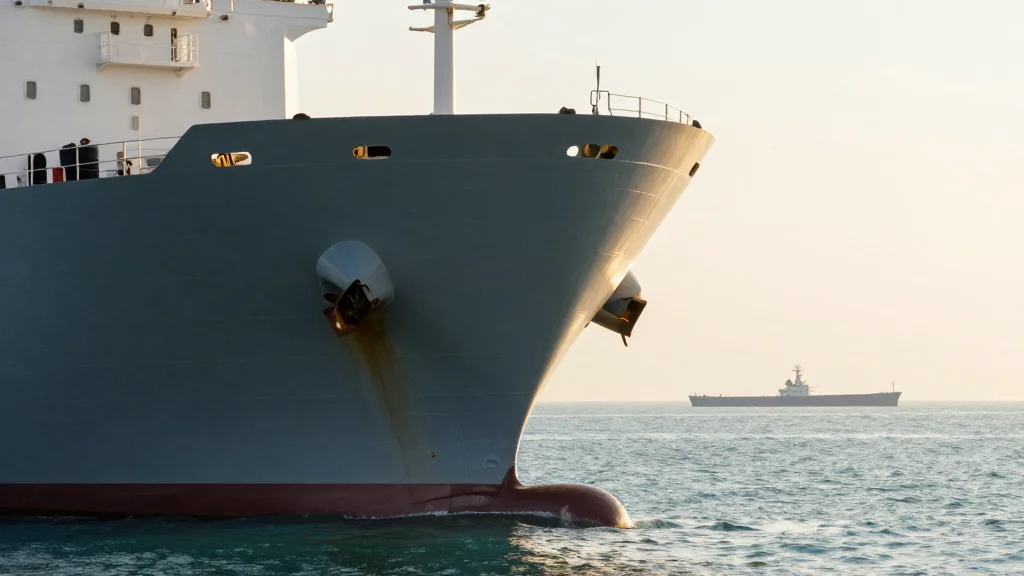
U.S. Launches ‘Project Freedom’ as Cargo Ship Attacked Near Strait of Hormuz

Why It Matters
The Strait of Hormuz is a strategic chokepoint; any disruption reverberates through global energy markets, inflating oil prices and threatening supply chains for everything from fuel to fertilizers. The U.S. decision to actively escort commercial vessels signals a shift from passive deterrence to kinetic involvement, raising the risk of a broader naval clash. For Iran, maintaining control over the strait serves both as leverage against Western sanctions and as a domestic rallying point. Tehran’s willingness to threaten any foreign force that enters the waterway suggests that the conflict could expand beyond proxy engagements, potentially drawing in regional allies and complicating the fragile cease‑fire that has held for three weeks.
Key Takeaways
- •A northbound cargo ship reported an attack by small craft off Sirik, Iran, on Sunday; crew unharmed.
- •U.S. President Donald Trump announced “Project Freedom,” deploying destroyers, 100+ aircraft and 15,000 troops to guide ships through the strait.
- •Iran warned any foreign military force entering the strait will be targeted, calling the U.S. plan a cease‑fire violation.
- •The British UKMT Operations centre confirmed at least two dozen attacks in the region since the Feb. 28 war began.
- •Iran submitted a 14‑point peace proposal seeking a 30‑day end‑to‑hostilities timeline while the U.S. maintains a naval blockade.
Pulse Analysis
Project Freedom marks the most overt U.S. naval intervention in the Hormuz corridor since the 1980s Iran‑Iraq war, reflecting a strategic calculus that the economic cost of a prolonged blockade outweighs the risk of a limited skirmish. By committing a sizable surface‑fleet and air component, Washington is signaling to Tehran that the cost of denying passage will now be measured not just in oil revenue loss but in potential kinetic retaliation.
Historically, control of Hormuz has been a lever for regional powers; Iran’s current tactics—small, hard‑to‑detect boats and toll demands—mirror the asymmetric strategies that frustrated larger navies in the 1980s. The U.S. response, however, is calibrated to avoid full‑scale war: the emphasis on “guiding” ships rather than escorting them with combat rules of engagement suggests a desire to keep the operation within a humanitarian narrative while retaining the option to use force if challenged.
The diplomatic backdrop adds complexity. Iran’s 14‑point proposal, though lacking concrete timelines, indicates a willingness to negotiate if pressure mounts. Yet the U.S. has tied any concession to the cessation of Iranian attacks and the lifting of the naval blockade, creating a high‑stakes bargaining chip. Market participants will watch oil price spreads and insurance rates for clues on whether the strait will reopen smoothly or descend into a new round of tit‑for‑tat engagements. The next week—particularly any direct U.S.–Iran communication—will be decisive in shaping the conflict’s trajectory.
U.S. Launches ‘Project Freedom’ as Cargo Ship Attacked Near Strait of Hormuz
Comments
Want to join the conversation?
Loading comments...