US Lawmakers Prepare a Historic Investment in Stockpile Replenishment in FY2027
Why It Matters
Replenishing depleted stockpiles restores U.S. strategic deterrence and signals readiness for high‑end conflicts, while driving significant growth in the defense industrial base.
Key Takeaways
- •Pentagon seeks $90 billion for missile and interceptor stockpile.
- •FY2027 plan includes ~10,000 new missiles and air‑defence interceptors.
- •$25 billion earmarked specifically for munitions like PAC‑3 MSE.
- •Investment aims to replenish reserves depleted in recent exercises.
- •House Armed Services Committee backs funding in NDAA markup.
Pulse Analysis
The United States is confronting a stark shortfall in its high‑end munitions after intensive training cycles such as Operations Midnight Hammer and Epic Fur drained existing reserves. Those exercises, designed to test the nation’s ability to counter sophisticated threats, highlighted gaps in long‑range missile and air‑defence interceptor inventories. In response, the Department of Defense’s FY2027 budget request calls for an unprecedented $90 billion to restore and expand these critical capabilities, underscoring a shift toward preparing for peer‑level confrontations.
At the heart of the proposal is a $25 billion allocation for munitions, including the PAC‑3 MSE surface‑to‑air missile, and a target of roughly 10,000 new missiles and interceptors. The House Armed Services Committee’s NDAA markup endorses this spending, emphasizing not only stockpile replenishment but also the need to bolster the industrial base that produces these systems. By expanding production lines and securing supply‑chain resilience, the plan aims to ensure rapid scalability should a conflict arise, reducing reliance on foreign sources and mitigating bottlenecks that have plagued past procurement cycles.
For the defense sector, the funding surge translates into a multi‑year pipeline of contracts worth billions, invigorating manufacturers ranging from legacy aerospace giants to emerging missile‑tech firms. Allies will likely view the move as a reaffirmation of U.S. commitment to collective security, potentially prompting coordinated stockpile sharing and joint development initiatives. However, the scale of investment also raises fiscal scrutiny and the challenge of integrating new systems into existing platforms without inflating lifecycle costs. Overall, the FY2027 stockpile initiative marks a pivotal moment in U.S. defense strategy, balancing immediate readiness with long‑term industrial vitality.
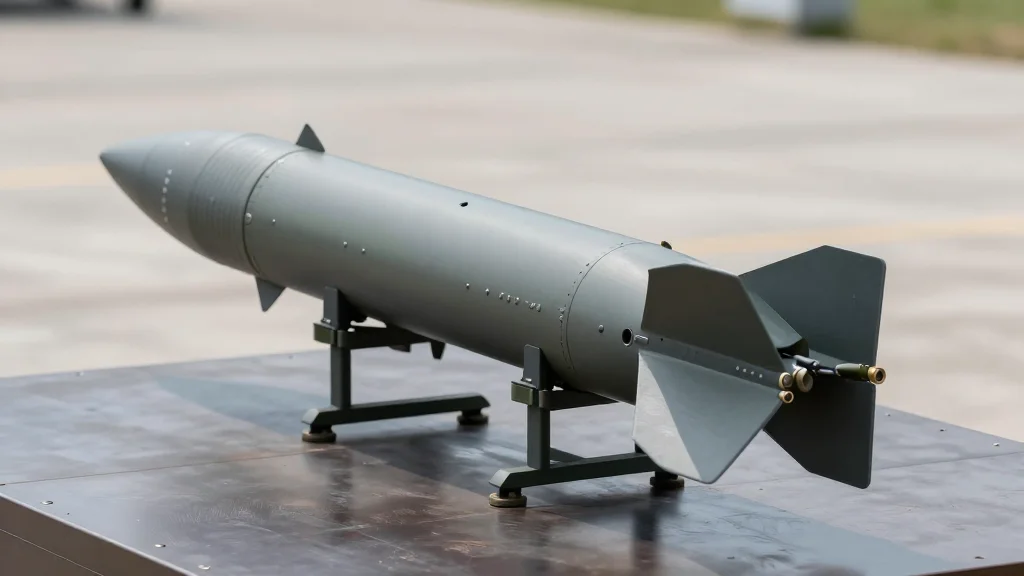
US lawmakers prepare a historic investment in stockpile replenishment in FY2027
Comments
Want to join the conversation?
Loading comments...