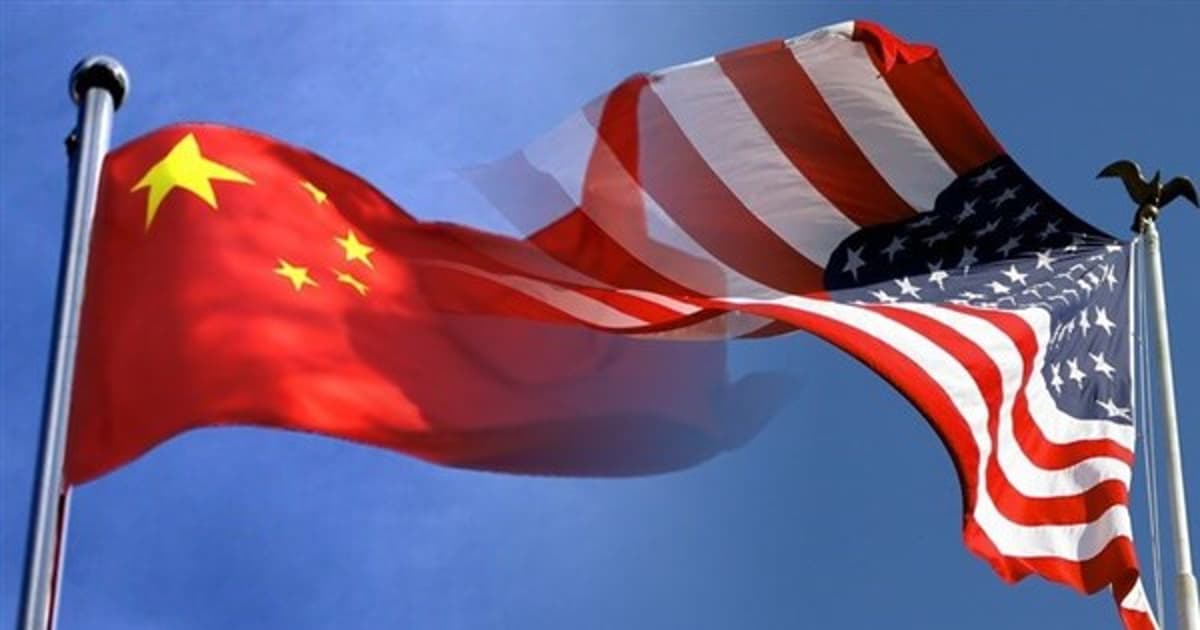
U.S. Lawmakers Propose China Threat Resolution Ahead of Trump-Xi Summit
Why It Matters
The resolution amplifies legislative scrutiny of China, potentially shaping the administration’s diplomatic stance and influencing the agenda of the upcoming Trump‑Xi summit, with ramifications for regional stability and U.S. economic interests.
Key Takeaways
- •Senate resolution urges stronger Indo‑Pacific deterrence against China.
- •Calls for protecting U.S. workers from unfair Chinese economic practices.
- •Highlights need to maintain AI leadership and emerging tech edge.
- •Warns China of coercive actions toward Taiwan and international exclusion.
Pulse Analysis
The bipartisan Senate Foreign Relations Committee resolution arrives at a pivotal moment, as Washington prepares for the first Trump‑Xi summit since their 2025 meeting in Busan. By framing China as the "greatest threat to the American way of life," lawmakers are signaling that any diplomatic overture must be balanced against hard‑line concerns over Beijing’s military modernization, maritime assertiveness, and attempts to marginalize Taiwan on the world stage. This political backdrop adds pressure on the executive branch to address security gaps while still pursuing engagement.
Beyond security, the resolution underscores economic dimensions that could reshape U.S. policy. It calls for protecting American workers and businesses from unfair Chinese practices, a nod to ongoing debates over supply‑chain resilience, forced‑labor allegations, and technology transfer restrictions. Emphasizing AI and emerging tech leadership reflects growing recognition that technological supremacy is a strategic lever in the U.S.-China rivalry. By urging allies to coordinate responses, the measure also seeks to solidify a coalition approach, leveraging partners in the Indo‑Pacific to counterbalance Beijing’s influence.
While the resolution lacks legal force, its symbolic weight may influence the summit’s agenda. President Trump’s team could face heightened expectations to address deterrence commitments, trade imbalances, and human‑rights concerns, potentially complicating negotiations. Analysts suggest that a firm congressional stance could push the administration toward a more calibrated strategy—combining diplomatic outreach with clear red lines. For businesses and investors, the evolving policy environment signals a need to monitor regulatory shifts, especially in sectors tied to AI, semiconductor supply chains, and maritime logistics, as Washington seeks to safeguard both security and economic interests.
U.S. lawmakers propose China threat resolution ahead of Trump-Xi summit
Comments
Want to join the conversation?
Loading comments...